
The UK’s healthcare infrastructure is undergoing a transformation, spearheaded by the government’s NHP Strategy, also known as the New Hospital Programme. But it is not going at the pace that was originally planned.
The New Hospital Programme (NHP) was introduced in 2020 with the aim of delivering 40 new hospitals by 2030 but recent updates to the strategy have led to adjustments in timelines and scope. Now, only 32 hospitals are set to be completed by 2039 and even that target comes with challenges.
However, the need for smarter, more adaptable hospital spaces hasn’t changed. The NHS’s vision for sustainable healthcare spaces remains a top priority and while full-scale hospital projects may take longer, modular and prefabricated solutions provide an immediate way to make progress.
The NHS is struggling to keep up with modern healthcare demands. Nearly half of NHS buildings date back to before 1985 and infrastructure is becoming increasing inefficient, costly to maintain and unsuitable for modern healthcare needs.
A press release from the Medical British Association has reported that the maintenance backlog now stands at £13.8 billion – more than double the cost recorded in 2016. Beyond the financial strain, this outdated infrastructure affects patient care, staff productivity and hospital efficiency.
Professor Tim Briggs, National Director for Clinical Improvement and Efficiency at NHS England, put it simply: “We cannot provide 21st-century healthcare in facilities that were built to serve a population from the last century. The New Hospital Programme is essential for transforming care delivery across the UK.”
To achieve this, the NHP strategy set out the following criteria:
While the original vision of 40 new hospitals remains a long-term objective, the government has revised its commitment:
Funding and construction challenges have slowed the programme’s pace but the core objectives remain the same: modernising NHS facilities to meet future healthcare demands.
This shift highlights the need for adaptable, efficient construction methods that can improve hospital infrastructure now, rather than waiting for full-scale projects to begin.
At the heart of the NHP strategy lies ‘Hospital 2.0’, a standardised approach to modern healthcare design that prioritises patient experience, sustainability and operational efficiency.
Key features include:
Amanda Pritchard, Chief Executive of NHS England, explained the ambition: ‘Hospital 2.0 represents not just a shift in how we build but in how we care. It’s about creating environments that work for patients, staff and the planet.’
Although the full-scale rollout of Hospital 2.0 may take longer than anticipated, modular construction allows elements of this vision to be implemented today, reducing the pressure on existing NHS infrastructure.
While the NHP Strategy offers immense promise, its revised approach presents both challenges and opportunities:
However, this presents an opportunity to integrate modular and prefabricated construction methods into the NHS’s long-term plans. With the right approach, progress can continue despite programme delays.
We are aligned with the principles of the NHP Strategy and have already integrated many of the required innovations into our projects.
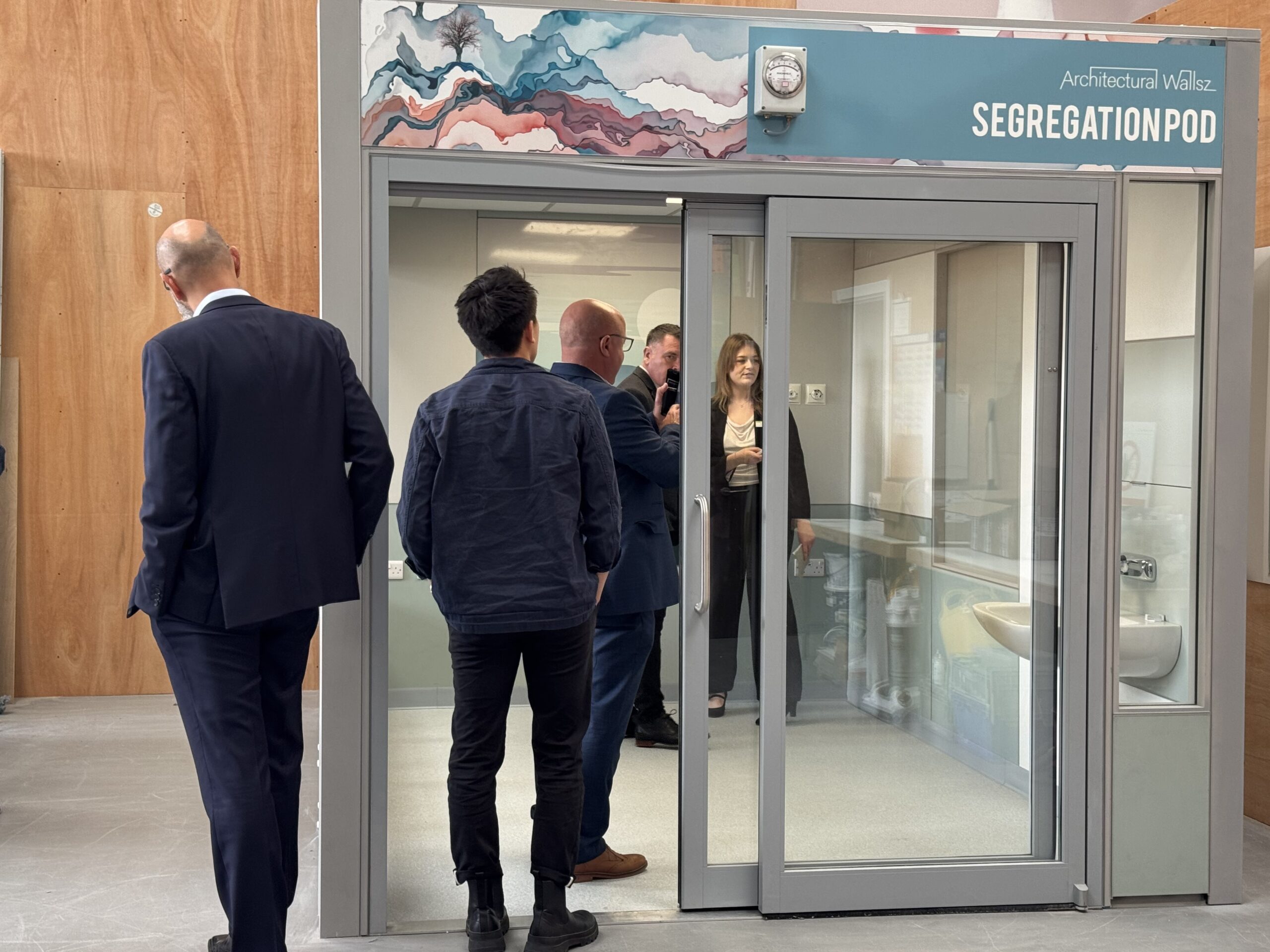
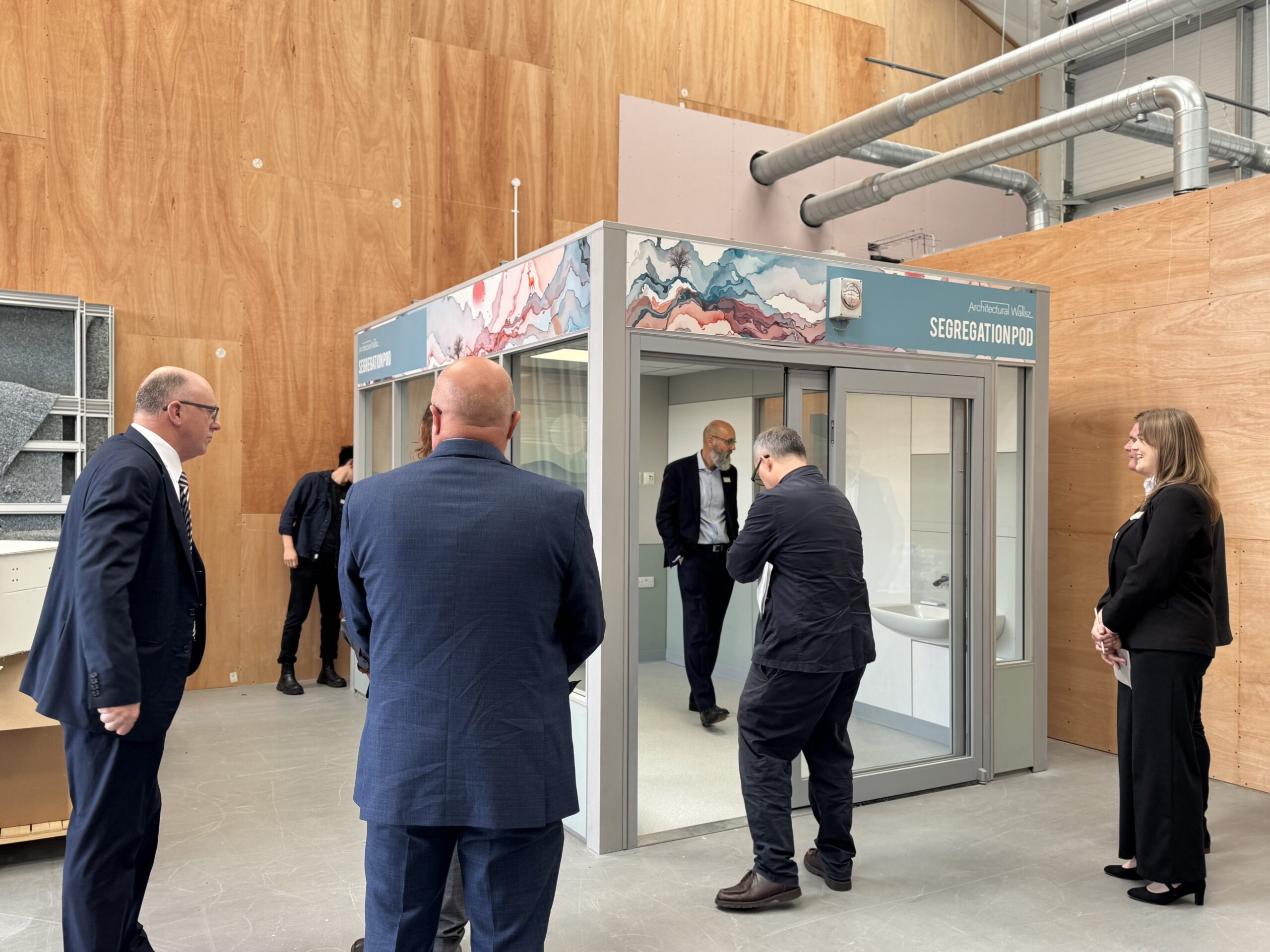
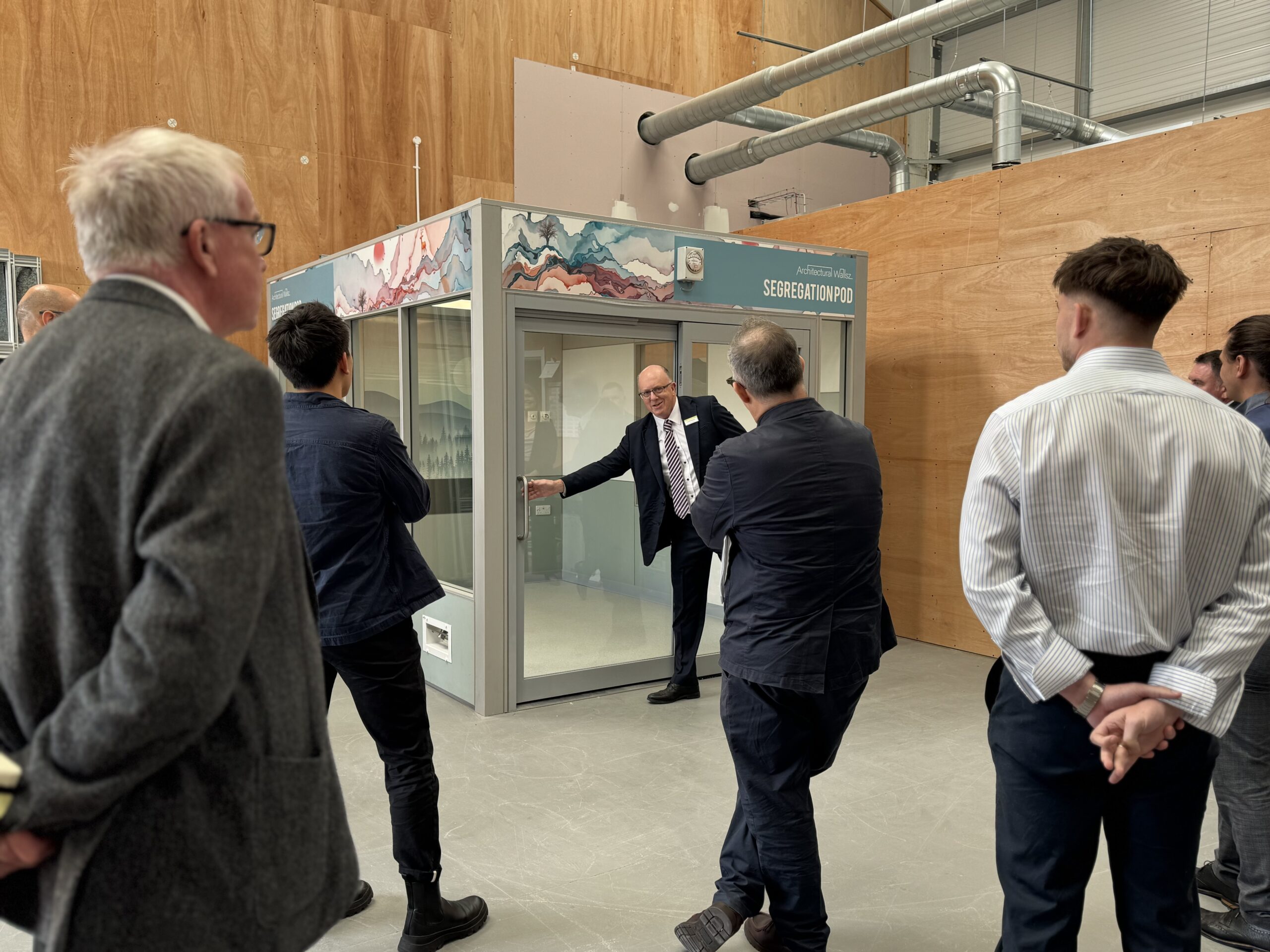
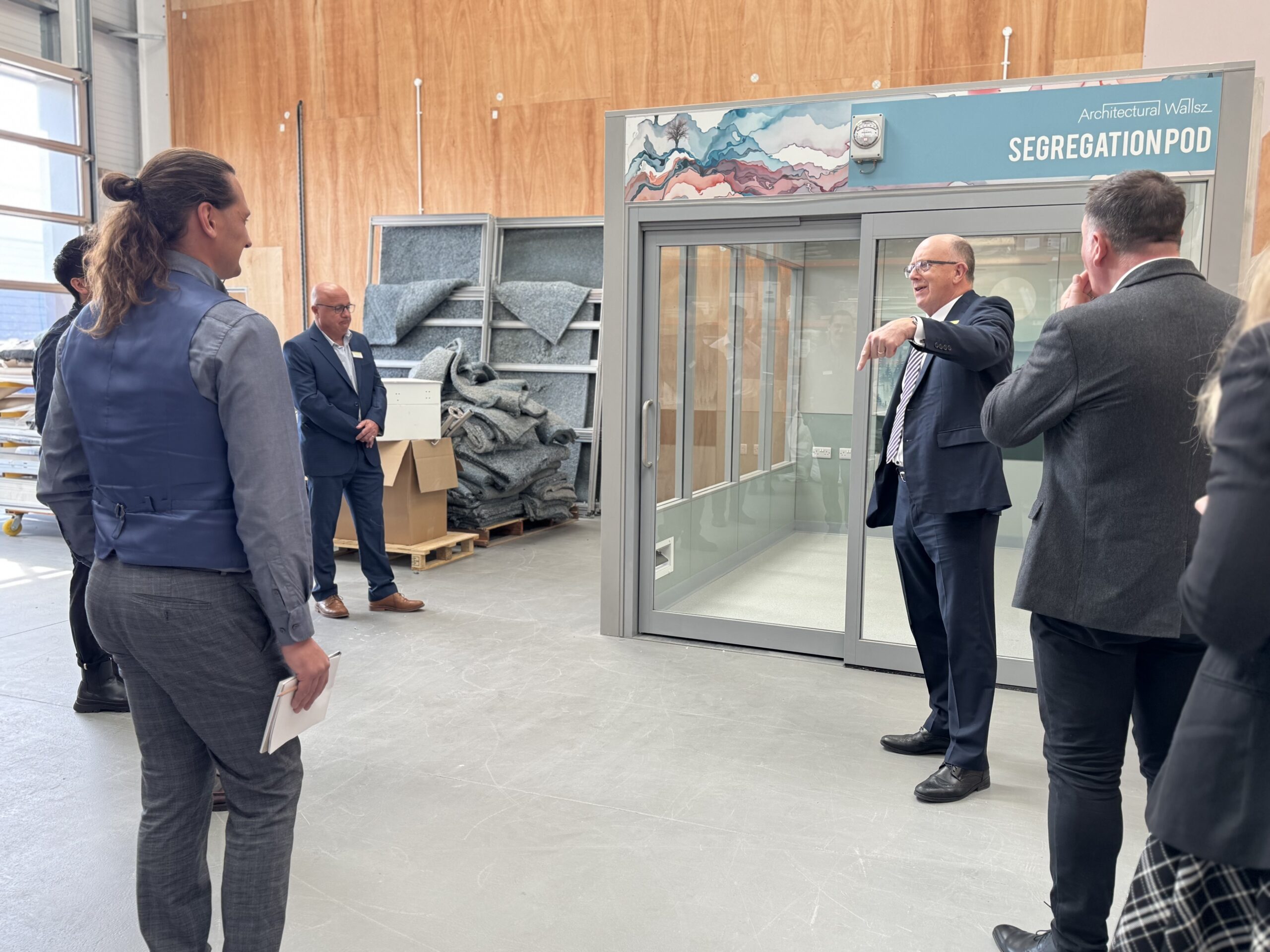
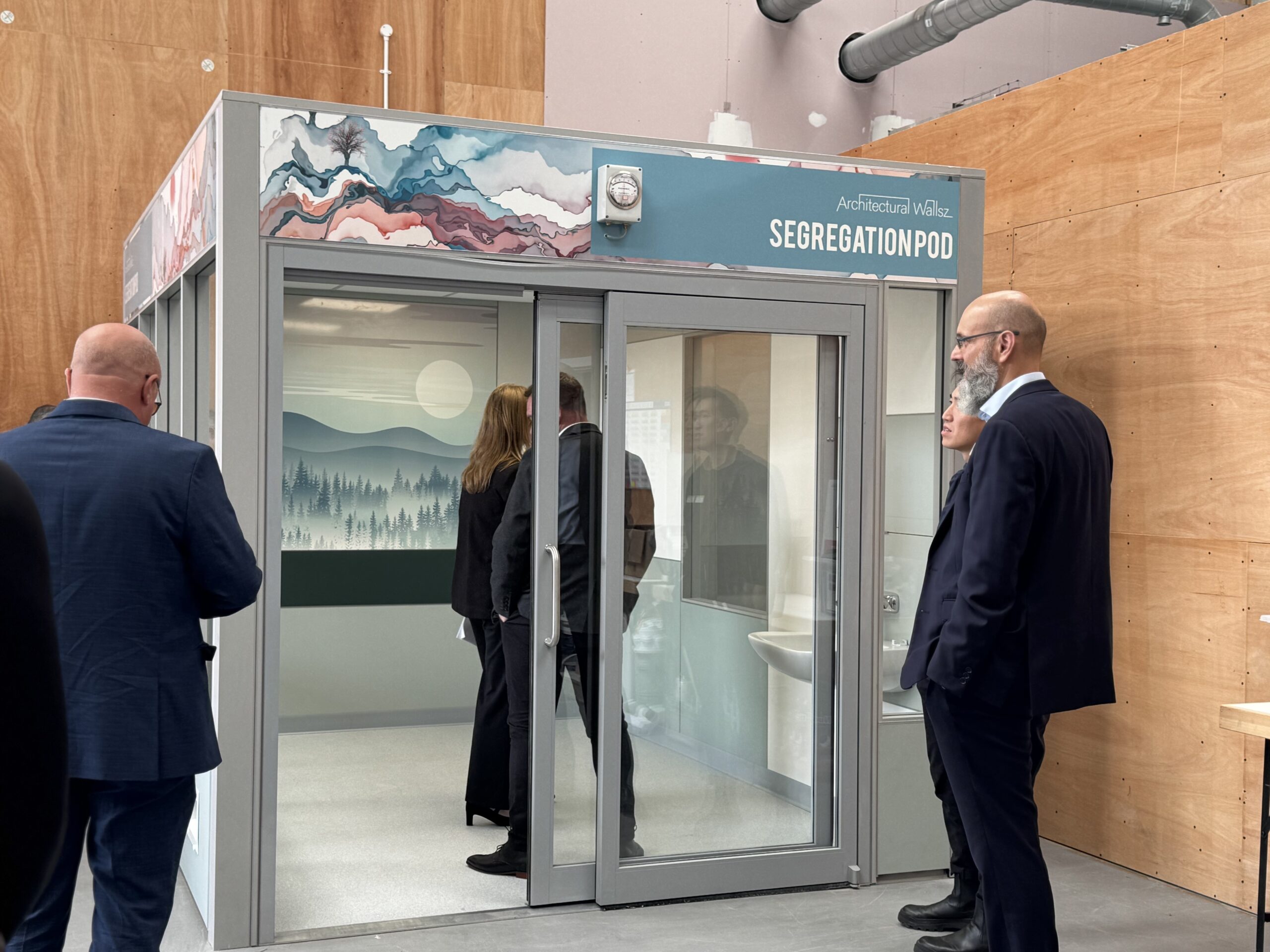
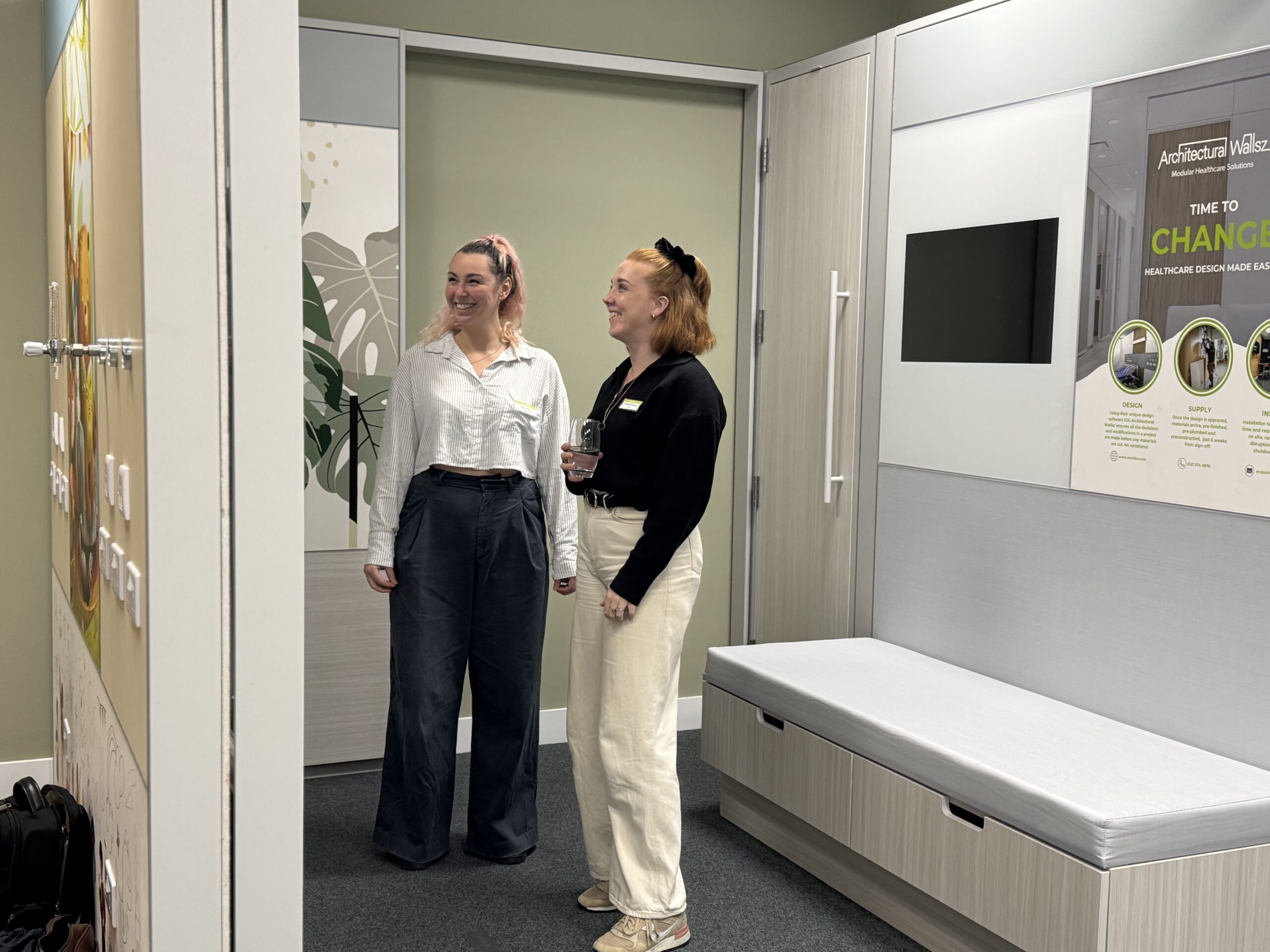
For instance, our modular systems support the rapid deployment of single-bed units with built-in air filtration – a goal of the Hospital 2.0 infection control strategy. Prefabricated solutions like back-to-back headwalls also allow for flexible room configurations that cater to evolving clinical needs while reducing environmental impact.
Although NHP projects are delayed, hospitals can still implement modular units to provide immediate benefits while aligning with long-term NHS targets.
The revised NHP strategy reflects the realities of funding and construction challenges but doesn’t change the urgent need for sustainable, modern healthcare spaces.
At Architectural Wallsz, we believe that progress doesn’t have to wait. Through modular construction, adaptable solutions and energy-efficient designs, we’re helping NHS facilities take immediate steps toward the vision of Hospital 2.0 without waiting for larger infrastructure projects to catch up.
The UK’s healthcare infrastructure is undergoing a transformation, spearheaded by the government’s NHP Strategy, also known as the New Hospital Programme. But it is not going at the pace that was originally planned.
The New Hospital Programme (NHP) was introduced in 2020 with the aim of delivering 40 new hospitals by 2030 but recent updates to the strategy have led to adjustments in timelines and scope. Now, only 32 hospitals are set to be completed by 2039 and even that target comes with challenges.
However, the need for smarter, more adaptable hospital spaces hasn’t changed. The NHS’s vision for sustainable healthcare spaces remains a top priority and while full-scale hospital projects may take longer, modular and prefabricated solutions provide an immediate way to make progress.
The NHS is struggling to keep up with modern healthcare demands. Nearly half of NHS buildings date back to before 1985 and infrastructure is becoming increasing inefficient, costly to maintain and unsuitable for modern healthcare needs.
A press release from the Medical British Association has reported that the maintenance backlog now stands at £13.8 billion – more than double the cost recorded in 2016. Beyond the financial strain, this outdated infrastructure affects patient care, staff productivity and hospital efficiency.
Professor Tim Briggs, National Director for Clinical Improvement and Efficiency at NHS England, put it simply: “We cannot provide 21st-century healthcare in facilities that were built to serve a population from the last century. The New Hospital Programme is essential for transforming care delivery across the UK.”
To achieve this, the NHP strategy set out the following criteria:
While the original vision of 40 new hospitals remains a long-term objective, the government has revised its commitment:
Funding and construction challenges have slowed the programme’s pace but the core objectives remain the same: modernising NHS facilities to meet future healthcare demands.
This shift highlights the need for adaptable, efficient construction methods that can improve hospital infrastructure now, rather than waiting for full-scale projects to begin.
At the heart of the NHP strategy lies ‘Hospital 2.0’, a standardised approach to modern healthcare design that prioritises patient experience, sustainability and operational efficiency.
Key features include:
Amanda Pritchard, Chief Executive of NHS England, explained the ambition: ‘Hospital 2.0 represents not just a shift in how we build but in how we care. It’s about creating environments that work for patients, staff and the planet.’
Although the full-scale rollout of Hospital 2.0 may take longer than anticipated, modular construction allows elements of this vision to be implemented today, reducing the pressure on existing NHS infrastructure.
While the NHP Strategy offers immense promise, its revised approach presents both challenges and opportunities:
However, this presents an opportunity to integrate modular and prefabricated construction methods into the NHS’s long-term plans. With the right approach, progress can continue despite programme delays.
We are aligned with the principles of the NHP Strategy and have already integrated many of the required innovations into our projects.
For instance, our modular systems support the rapid deployment of single-bed units with built-in air filtration – a goal of the Hospital 2.0 infection control strategy. Prefabricated solutions like back-to-back headwalls also allow for flexible room configurations that cater to evolving clinical needs while reducing environmental impact.
Although NHP projects are delayed, hospitals can still implement modular units to provide immediate benefits while aligning with long-term NHS targets.
The revised NHP strategy reflects the realities of funding and construction challenges but doesn’t change the urgent need for sustainable, modern healthcare spaces.
At Architectural Wallsz, we believe that progress doesn’t have to wait. Through modular construction, adaptable solutions and energy-efficient designs, we’re helping NHS facilities take immediate steps toward the vision of Hospital 2.0 without waiting for larger infrastructure projects to catch up.

























We often send out our newsletter with news and great offers. We will never disclose your data to third parties and you can unsubscribe from the newsletter at any time.
Unfortunately, we’re unable to offer free samples. As a retailer, we buy all magazines from their publishers at the regular trade price. However, you could contact the magazine’s publisher directly to ask if they can send you a free copy.
You can create a new account at the end of the order process or on the following page. You can view all of your orders and subscriptions in your customer account. You can also change your addresses and your password.
No, you don’t have to create an account. But there are a few advantages if you create an account.
You never have to enter your billing and shipping address again
Find all of your orders, subscriptions and addresses in your account
Download invoices of your orders
No, we don’t have a physical store location at the moment. We accept only orders through our online shop and we’re shipping all orders with the Swiss Post Service. Please visit our shipping section for more details.
From time to time you will find us at design fairs and popup markets in Switzerland. Subscribe to our newsletter and you’ll receive the latest news.