
The construction industry is poised for a remarkable turnaround, according to the latest forecast from Glenigan, a leading construction data analysis firm.
After years of uncertainty, the sector is showing promising signs of robust growth, with exciting implications for architects, developers and businesses across various sectors, including healthcare.
For the latter, this growth presents significant opportunities, with the government’s increased investment in NHS capital funding and ongoing healthcare initiatives expected to drive demand for healthcare-related construction projects.
Glenigan’s UK Construction Industry Forecast for 2025-2026 paints an optimistic picture, predicting substantial growth across multiple construction segments. The numbers are compelling: an expected 8% growth in construction output in 2025, followed by a 10% increase in 2026.
This forecast comes after years of economic challenges and points towards a potential renaissance for the construction industry.
Two principal factors are contributing to this anticipated boom:
Consumer Confidence: as the economic landscape is showing signs of stabilisation, consumer spending and confidence are gradually recovering. This shift is particularly more visible in consumer-related sectors like private housing, retail and hospitality.
Strategic Fiscal Changes: Recent budget adjustments have created more favourable conditions for capital investment. These changes are expected to unlock significant public sector and infrastructure projects that will provide a much-needed boost to government-funded initiatives.
The healthcare sector represents this broader industrial transformation. Glenigan’s forecast suggests a recovery for healthcare-related construction after a difficult period in which resources were diverted to address the backlog of NHS services and infrastructure problems.
Health project starts rebounded by 11% this year clearly indicating that demand for healthcare infrastructure is on the rise again. However, with NHS capital funding increasing by 15% for 2025/26, healthcare projects are set to see further growth in the years ahead.
This investment addresses critical needs that have accumulated over decades: aging facilities, outdated equipment and the pressing requirement for more adaptable medical spaces.
Additionally, the government’s commitment to addressing issues like RAAC (Reinforced Autoclaved Aerated Concrete) repairs and expanding diagnostic facilities highlights the sector’s priorities and the need for timely and efficient healthcare space solutions.
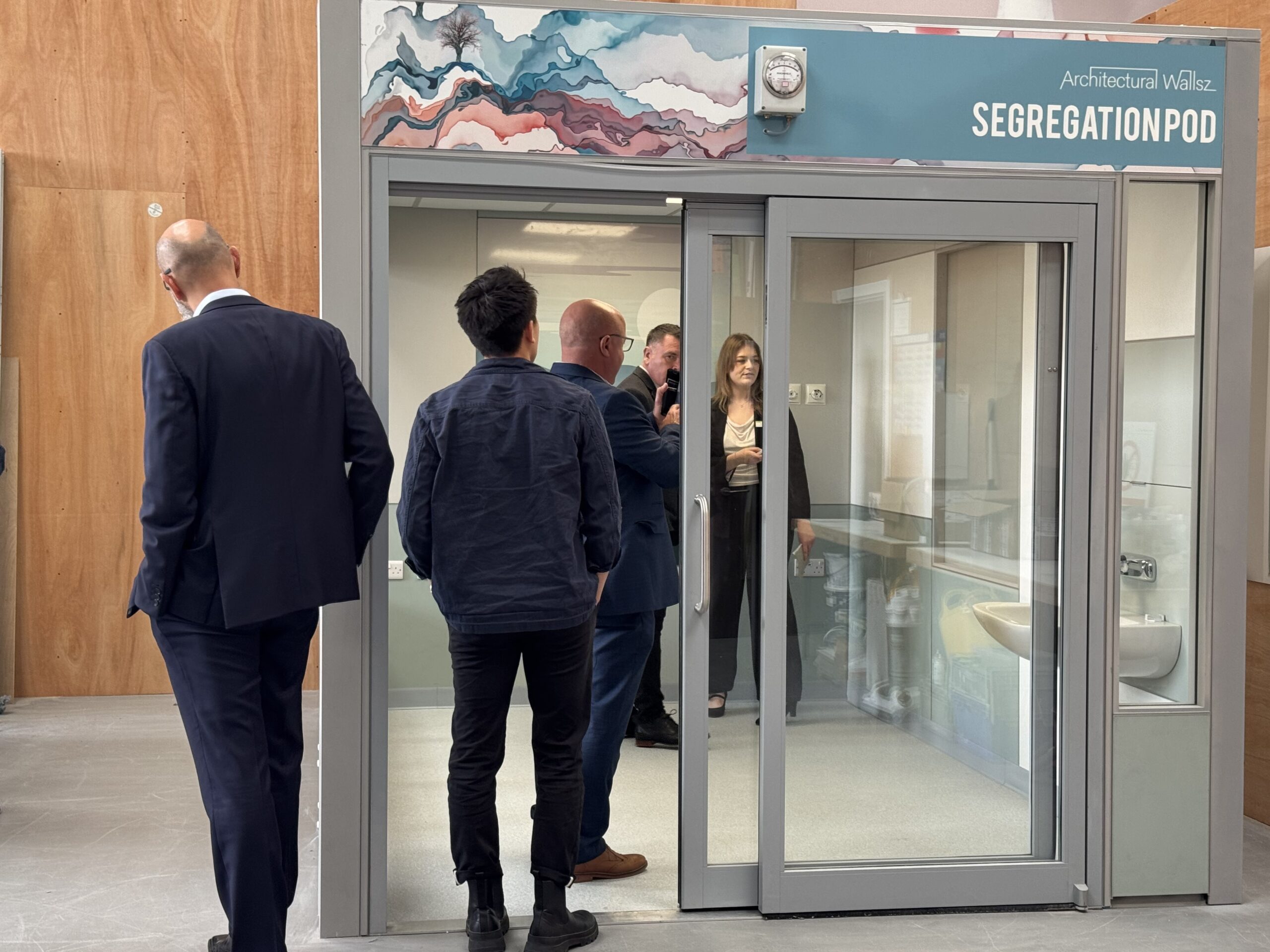
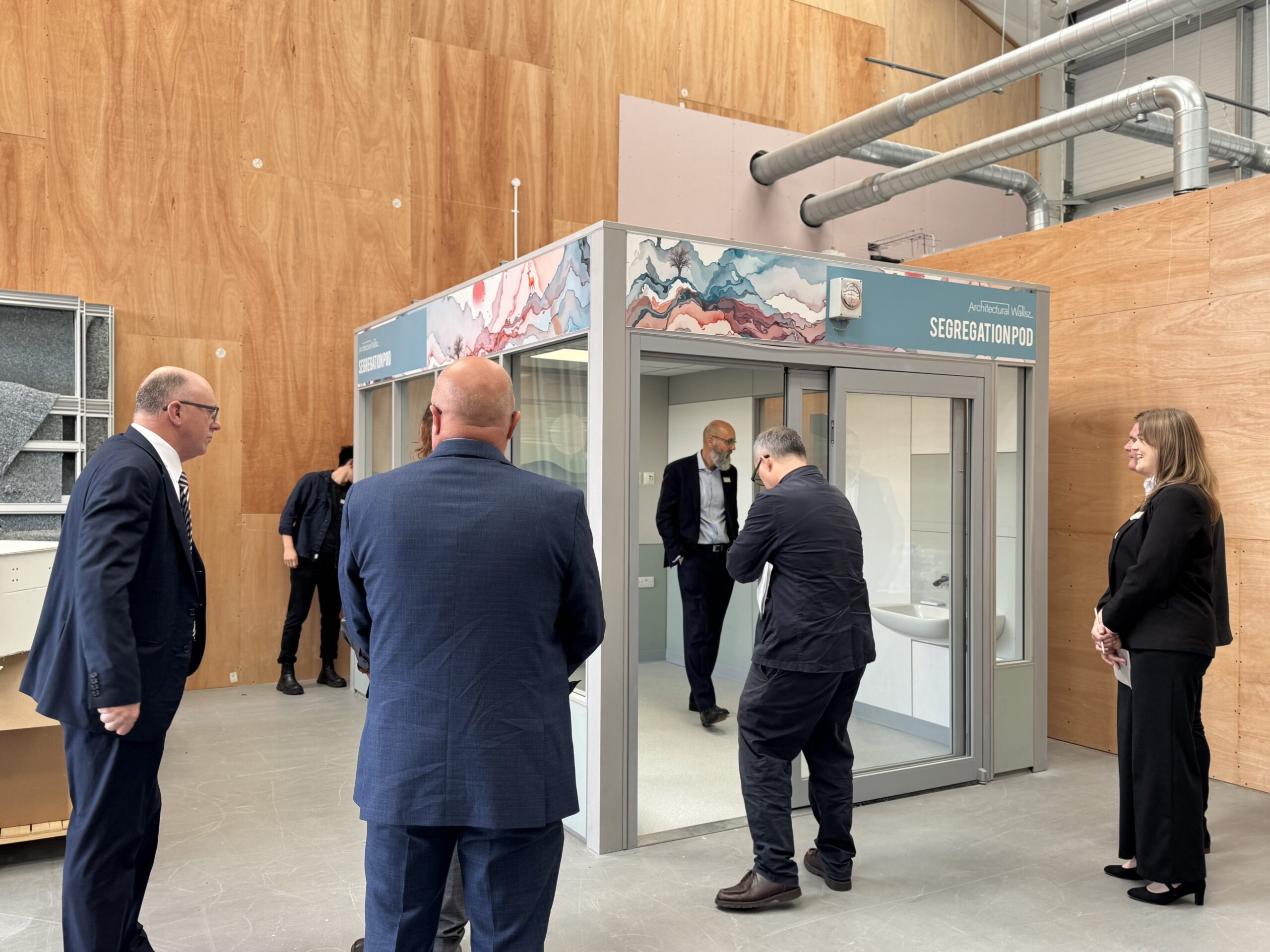
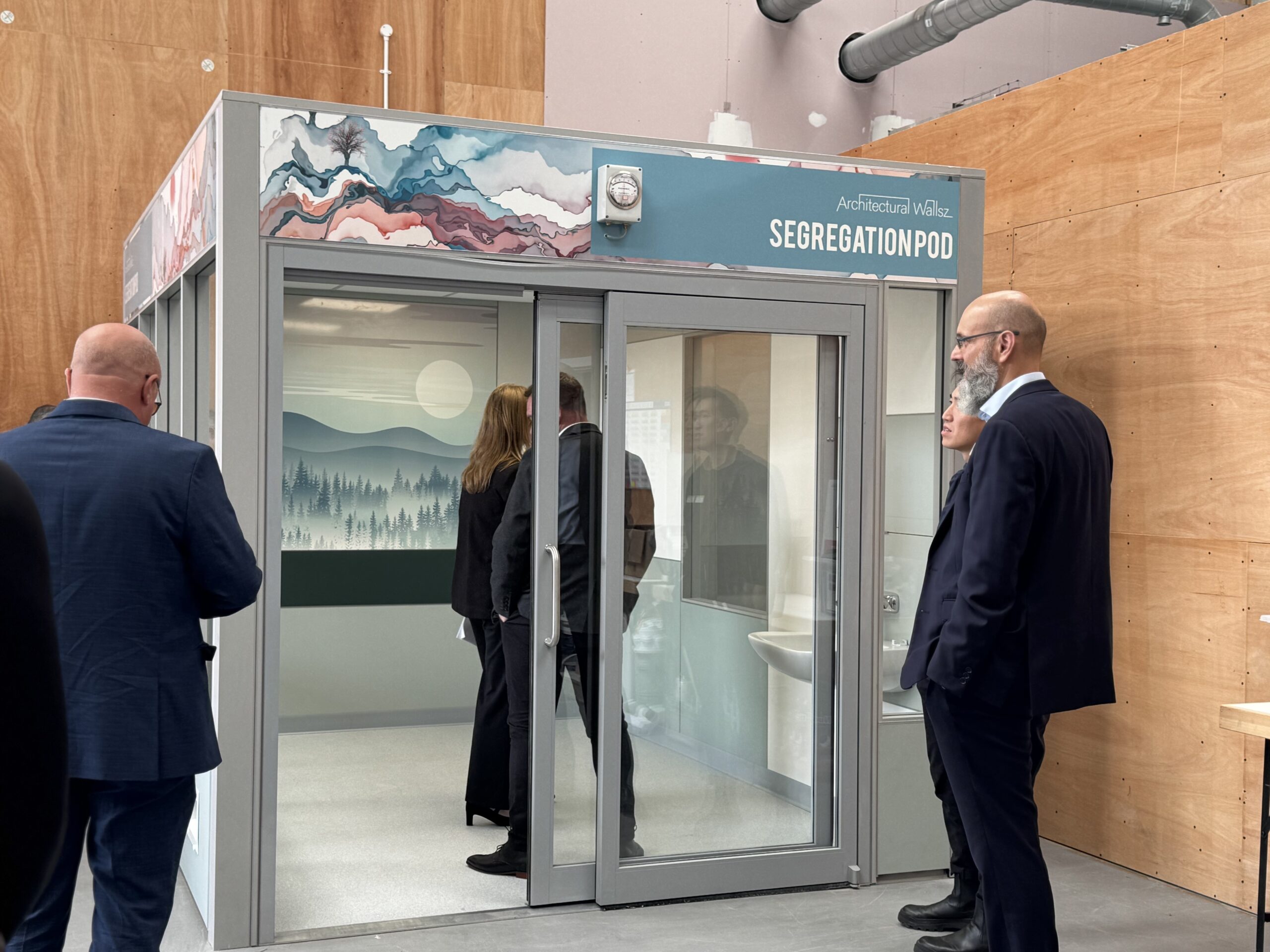
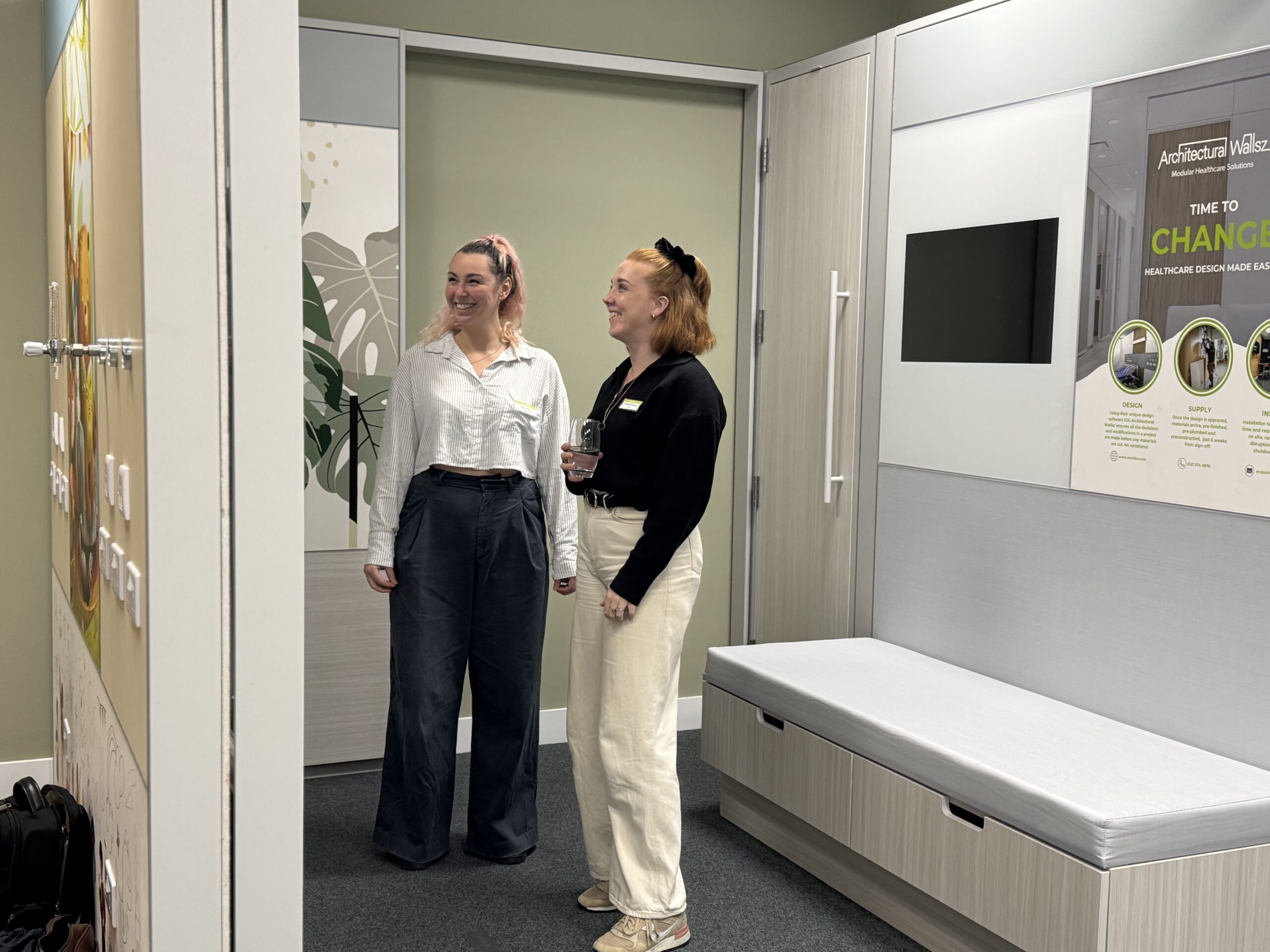
Perhaps the most exciting development is the emergence of modular healthcare solutions. Modular designs provide unprecedented flexibility that enables healthcare providers to adapt quickly to changing medical needs, technological advancements and unexpected challenges.
At Architectural Wallsz, we see these modular solutions as dynamic environments that support medical innovation, enhance patient experiences and create more efficient healthcare delivery systems.
The path forward is complex. Healthcare construction must balance multiple competing priorities: cost-effectiveness, regulatory compliance, technological integration and patient-centred design. The sector faces significant challenges, including:
– Complex regulatory requirements
– Budget constraints
– Rapidly evolving technological landscapes
– Increasing demands for adaptive infrastructure
Yet, these challenges present equally significant opportunities. The sector can address decades of infrastructure underinvestment, support evolving healthcare delivery models and implement cutting-edge design solutions that enhance patient outcomes.
Modern healthcare construction is at the intersection of design, technology and medical practice. This requires designing spaces that can:
– Integrate emerging technologies
– Support complex medical workflows
– Provide optimal patient experiences
As we approach 2025 and beyond, the healthcare construction sector points to a period of strong growth and the healthcare sector are poised to benefit significantly from increased government investment and long-term spending plans.
With an expected 1% growth in healthcare projects in 2025, followed by a 10% increase in 2026, the sector will continue to expand to meet the rising demand for modern healthcare spaces.
At Architectural Wallsz, we’re excited about these developments and remain committed to supporting our clients through innovative design solutions that focuses on creating healthcare spaces that are intelligent, responsive and forward-thinking.
The construction industry is poised for a remarkable turnaround, according to the latest forecast from Glenigan, a leading construction data analysis firm.
After years of uncertainty, the sector is showing promising signs of robust growth, with exciting implications for architects, developers and businesses across various sectors, including healthcare.
For the latter, this growth presents significant opportunities, with the government’s increased investment in NHS capital funding and ongoing healthcare initiatives expected to drive demand for healthcare-related construction projects.
Glenigan’s UK Construction Industry Forecast for 2025-2026 paints an optimistic picture, predicting substantial growth across multiple construction segments. The numbers are compelling: an expected 8% growth in construction output in 2025, followed by a 10% increase in 2026.
This forecast comes after years of economic challenges and points towards a potential renaissance for the construction industry.
Two principal factors are contributing to this anticipated boom:
Consumer Confidence: as the economic landscape is showing signs of stabilisation, consumer spending and confidence are gradually recovering. This shift is particularly more visible in consumer-related sectors like private housing, retail and hospitality.
Strategic Fiscal Changes: Recent budget adjustments have created more favourable conditions for capital investment. These changes are expected to unlock significant public sector and infrastructure projects that will provide a much-needed boost to government-funded initiatives.
The healthcare sector represents this broader industrial transformation. Glenigan’s forecast suggests a recovery for healthcare-related construction after a difficult period in which resources were diverted to address the backlog of NHS services and infrastructure problems.
Health project starts rebounded by 11% this year clearly indicating that demand for healthcare infrastructure is on the rise again. However, with NHS capital funding increasing by 15% for 2025/26, healthcare projects are set to see further growth in the years ahead.
This investment addresses critical needs that have accumulated over decades: aging facilities, outdated equipment and the pressing requirement for more adaptable medical spaces.
Additionally, the government’s commitment to addressing issues like RAAC (Reinforced Autoclaved Aerated Concrete) repairs and expanding diagnostic facilities highlights the sector’s priorities and the need for timely and efficient healthcare space solutions.
Perhaps the most exciting development is the emergence of modular healthcare solutions. Modular designs provide unprecedented flexibility that enables healthcare providers to adapt quickly to changing medical needs, technological advancements and unexpected challenges.
At Architectural Wallsz, we see these modular solutions as dynamic environments that support medical innovation, enhance patient experiences and create more efficient healthcare delivery systems.
The path forward is complex. Healthcare construction must balance multiple competing priorities: cost-effectiveness, regulatory compliance, technological integration and patient-centred design. The sector faces significant challenges, including:
– Complex regulatory requirements
– Budget constraints
– Rapidly evolving technological landscapes
– Increasing demands for adaptive infrastructure
Yet, these challenges present equally significant opportunities. The sector can address decades of infrastructure underinvestment, support evolving healthcare delivery models and implement cutting-edge design solutions that enhance patient outcomes.
Modern healthcare construction is at the intersection of design, technology and medical practice. This requires designing spaces that can:
– Integrate emerging technologies
– Support complex medical workflows
– Provide optimal patient experiences
As we approach 2025 and beyond, the healthcare construction sector points to a period of strong growth and the healthcare sector are poised to benefit significantly from increased government investment and long-term spending plans.
With an expected 1% growth in healthcare projects in 2025, followed by a 10% increase in 2026, the sector will continue to expand to meet the rising demand for modern healthcare spaces.
At Architectural Wallsz, we’re excited about these developments and remain committed to supporting our clients through innovative design solutions that focuses on creating healthcare spaces that are intelligent, responsive and forward-thinking.






























We often send out our newsletter with news and great offers. We will never disclose your data to third parties and you can unsubscribe from the newsletter at any time.
Unfortunately, we’re unable to offer free samples. As a retailer, we buy all magazines from their publishers at the regular trade price. However, you could contact the magazine’s publisher directly to ask if they can send you a free copy.
You can create a new account at the end of the order process or on the following page. You can view all of your orders and subscriptions in your customer account. You can also change your addresses and your password.
No, you don’t have to create an account. But there are a few advantages if you create an account.
You never have to enter your billing and shipping address again
Find all of your orders, subscriptions and addresses in your account
Download invoices of your orders
No, we don’t have a physical store location at the moment. We accept only orders through our online shop and we’re shipping all orders with the Swiss Post Service. Please visit our shipping section for more details.
From time to time you will find us at design fairs and popup markets in Switzerland. Subscribe to our newsletter and you’ll receive the latest news.