
The benefits of adaptive construction in healthcare are transforming infrastructure in healthcare spaces by utilising flexible and modular building techniques.
These innovative solutions enhance efficiency, patient satisfaction and overall operational success because adaptive construction addresses the needs of healthcare environments.
Hospitals and clinics often require rapid construction or renovation to keep pace with technological advancements and patient demands. Adaptive construction offers a versatile, scalable approach that enables quick and efficient adaptation.
Building components in a controlled environment achieves higher quality standards, faster project timelines and reduced on-site disruptions. Post-installation, the flexibility of adaptive construction allows healthcare organisations to reconfigure spaces to accommodate new medical technologies and changing patient care requirements.
Adaptive construction practices enable flexibility, scalability and sustainability through the design and build of easily-modified structures. That’s why this approach is particularly beneficial in healthcare, where rapid advancements in medical technology and evolving care standards necessitate frequent updates.
By embracing adaptive construction, healthcare facilities can future-proof their infrastructure and minimise costly and time-consuming renovations. In essence, adaptive construction fosters a forward-thinking mindset, allowing healthcare organisations to stay agile and responsive to any future changes within the industry.
Modular construction is a cornerstone of adaptive construction practices and involves manufacturing building components off-site before assembling them on-site. This results in numerous advantages, including faster project completion times, improved quality control and reduced disruption to ongoing healthcare operations.
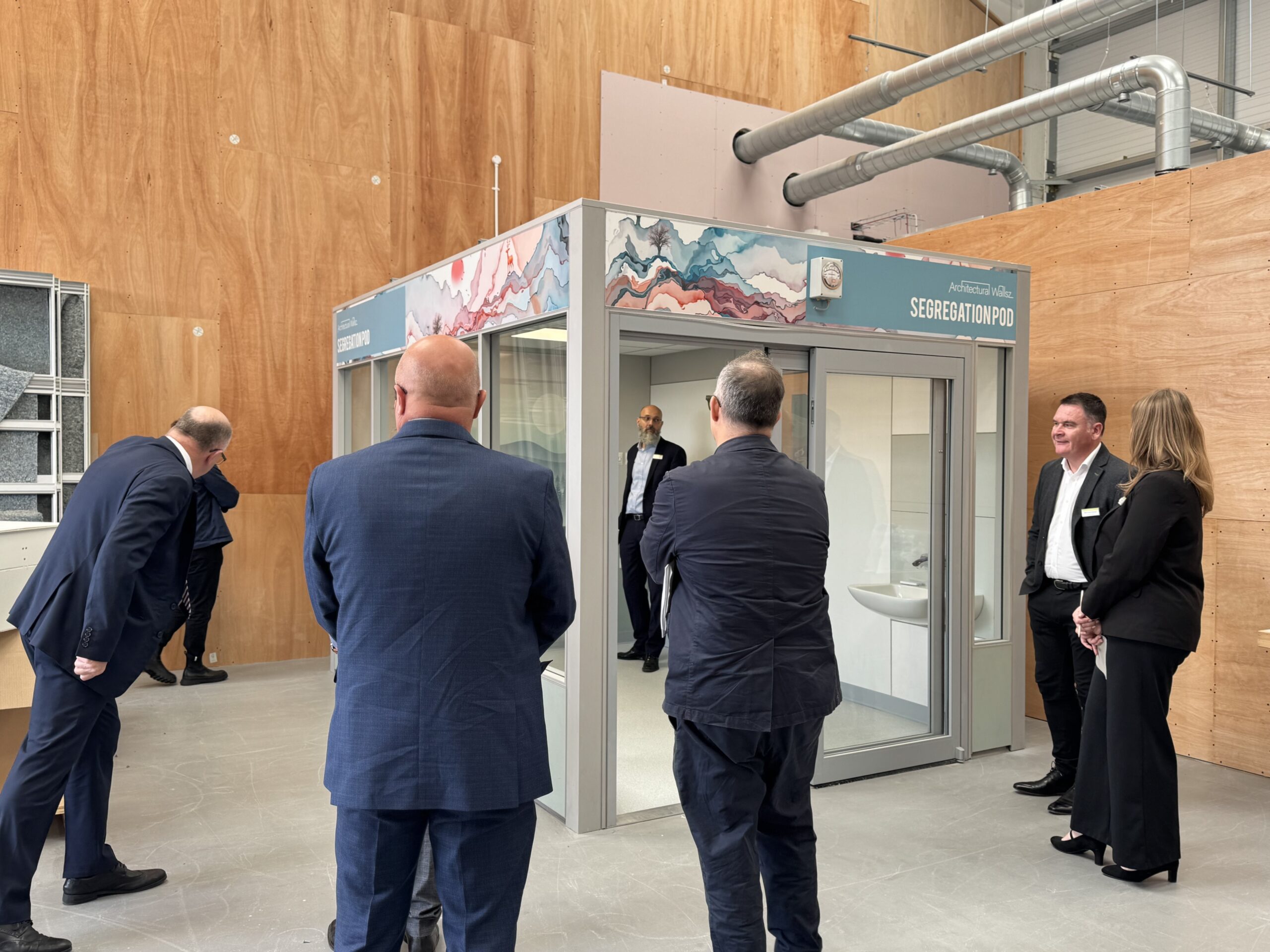
In healthcare settings, modular construction is particularly beneficial due to its ability to create highly specialised spaces. Medical facilities often require unique configurations and infrastructure to support various functions, such as operating theatres, laboratories and patient wards. Modular construction allows these spaces to be designed and built with precision to ensure they meet the stringent requirements of healthcare environments.
Adaptive construction significantly enhances patient care environments. The ability to rapidly build or modify facilities ensures patients receive care in modern, well-equipped settings that promote healing.
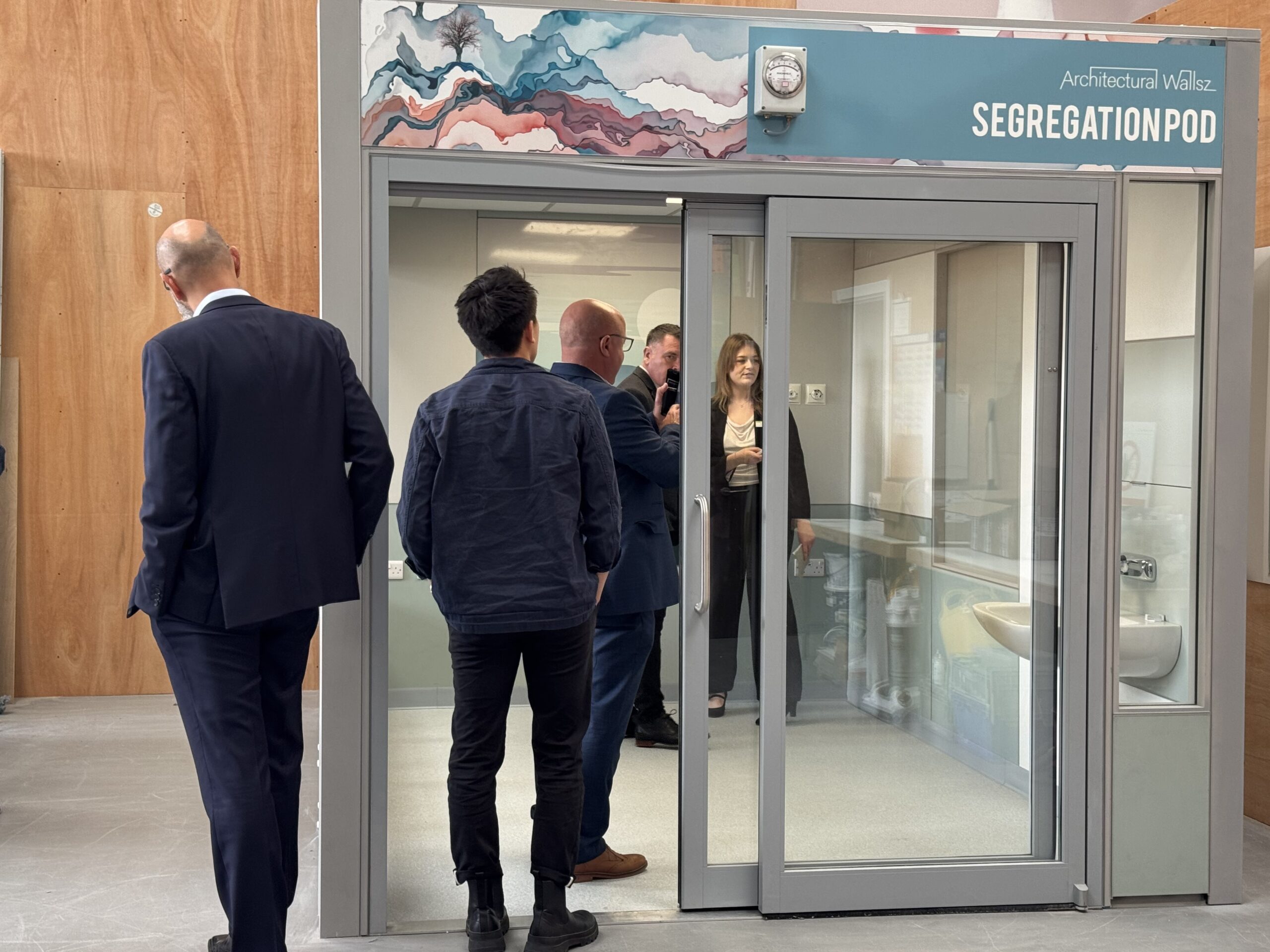
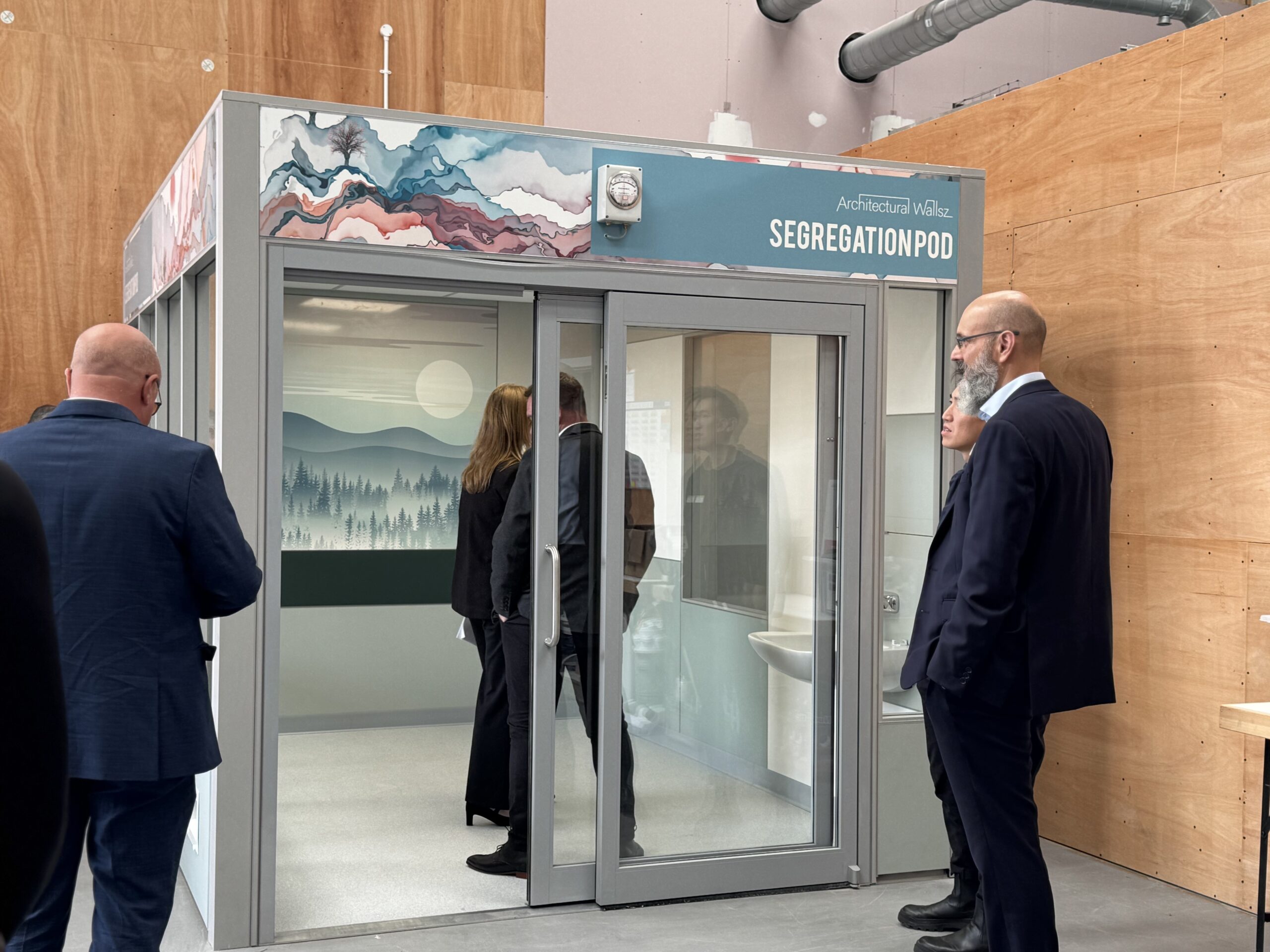
Modular construction can create spaces tailored to specific medical needs, such as isolation rooms or rehabilitation spaces, designed with input from medical professionals.
Adaptive construction offers significant cost savings by streamlining processes and reducing the need for extensive renovations. Faster construction times lower labour costs and minimise project delays. Off-site fabrication reduces material waste and overall construction costs.
Additionally, high-quality prefabricated components result in fewer maintenance issues and longer-lasting infrastructure to further reduce expenses.
Modular construction creates reconfigurable spaces that easily accommodate new medical technologies. This flexibility means healthcare facilities can quickly integrate new technologies and provide the highest standard of care to their patients.
Adaptive construction also allows healthcare organisations to proactively plan for future technological advancements.
Adaptive construction enhances operational efficiency by reducing construction timelines and minimising on-site disruptions. Traditional construction methods can be time-consuming and disruptive, particularly in active healthcare settings. Adaptive construction techniques allow building components to be fabricated off-site to reduce the impact on daily operations and ensure projects are completed on time.
Adaptive construction offers transformative benefits for healthcare infrastructure, including improved patient care environments, cost savings, adaptability to medical technologies and increased operational efficiency.
By implementing these techniques, healthcare organisations can future-proof their facilities and ensure they remain at the forefront of medical innovation.
The benefits of adaptive construction in healthcare are transforming infrastructure in healthcare spaces by utilising flexible and modular building techniques.
These innovative solutions enhance efficiency, patient satisfaction and overall operational success because adaptive construction addresses the needs of healthcare environments.
Hospitals and clinics often require rapid construction or renovation to keep pace with technological advancements and patient demands. Adaptive construction offers a versatile, scalable approach that enables quick and efficient adaptation.
Building components in a controlled environment achieves higher quality standards, faster project timelines and reduced on-site disruptions. Post-installation, the flexibility of adaptive construction allows healthcare organisations to reconfigure spaces to accommodate new medical technologies and changing patient care requirements.
Adaptive construction practices enable flexibility, scalability and sustainability through the design and build of easily-modified structures. That’s why this approach is particularly beneficial in healthcare, where rapid advancements in medical technology and evolving care standards necessitate frequent updates.
By embracing adaptive construction, healthcare facilities can future-proof their infrastructure and minimise costly and time-consuming renovations. In essence, adaptive construction fosters a forward-thinking mindset, allowing healthcare organisations to stay agile and responsive to any future changes within the industry.
Modular construction is a cornerstone of adaptive construction practices and involves manufacturing building components off-site before assembling them on-site. This results in numerous advantages, including faster project completion times, improved quality control and reduced disruption to ongoing healthcare operations.
In healthcare settings, modular construction is particularly beneficial due to its ability to create highly specialised spaces. Medical facilities often require unique configurations and infrastructure to support various functions, such as operating theatres, laboratories and patient wards. Modular construction allows these spaces to be designed and built with precision to ensure they meet the stringent requirements of healthcare environments.
Adaptive construction significantly enhances patient care environments. The ability to rapidly build or modify facilities ensures patients receive care in modern, well-equipped settings that promote healing.
Modular construction can create spaces tailored to specific medical needs, such as isolation rooms or rehabilitation spaces, designed with input from medical professionals.
Adaptive construction offers significant cost savings by streamlining processes and reducing the need for extensive renovations. Faster construction times lower labour costs and minimise project delays. Off-site fabrication reduces material waste and overall construction costs.
Additionally, high-quality prefabricated components result in fewer maintenance issues and longer-lasting infrastructure to further reduce expenses.
Modular construction creates reconfigurable spaces that easily accommodate new medical technologies. This flexibility means healthcare facilities can quickly integrate new technologies and provide the highest standard of care to their patients.
Adaptive construction also allows healthcare organisations to proactively plan for future technological advancements.
Adaptive construction enhances operational efficiency by reducing construction timelines and minimising on-site disruptions. Traditional construction methods can be time-consuming and disruptive, particularly in active healthcare settings. Adaptive construction techniques allow building components to be fabricated off-site to reduce the impact on daily operations and ensure projects are completed on time.
Adaptive construction offers transformative benefits for healthcare infrastructure, including improved patient care environments, cost savings, adaptability to medical technologies and increased operational efficiency.
By implementing these techniques, healthcare organisations can future-proof their facilities and ensure they remain at the forefront of medical innovation.



























We often send out our newsletter with news and great offers. We will never disclose your data to third parties and you can unsubscribe from the newsletter at any time.
Unfortunately, we’re unable to offer free samples. As a retailer, we buy all magazines from their publishers at the regular trade price. However, you could contact the magazine’s publisher directly to ask if they can send you a free copy.
You can create a new account at the end of the order process or on the following page. You can view all of your orders and subscriptions in your customer account. You can also change your addresses and your password.
No, you don’t have to create an account. But there are a few advantages if you create an account.
You never have to enter your billing and shipping address again
Find all of your orders, subscriptions and addresses in your account
Download invoices of your orders
No, we don’t have a physical store location at the moment. We accept only orders through our online shop and we’re shipping all orders with the Swiss Post Service. Please visit our shipping section for more details.
From time to time you will find us at design fairs and popup markets in Switzerland. Subscribe to our newsletter and you’ll receive the latest news.