
When we’re asked, ‘What is adaptive construction?’ we get excited because it means we can talk about the almost-endless benefits of our future-proofed construction solutions.
Adaptive construction in healthcare facilities is essential for creating flexible, efficient and cost-effective environments. As the healthcare sector is consistently evolving due to technological advancements, changing patient demographics and new treatment practices, the demand for adaptable spaces has never been higher.
In this blog, we will answer the question, ‘What is adaptive construction?’ and look at why it’s important in the healthcare sector.
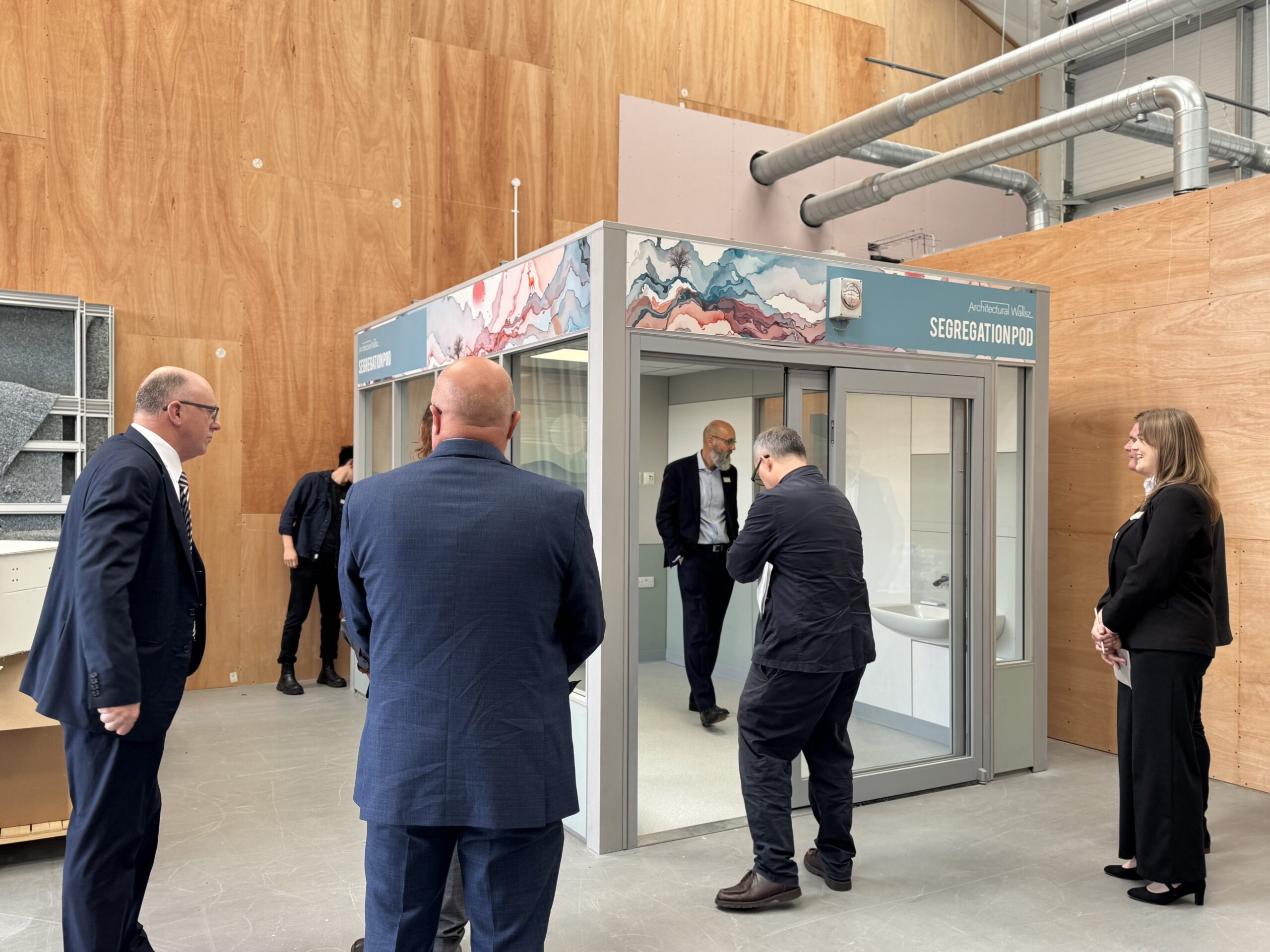
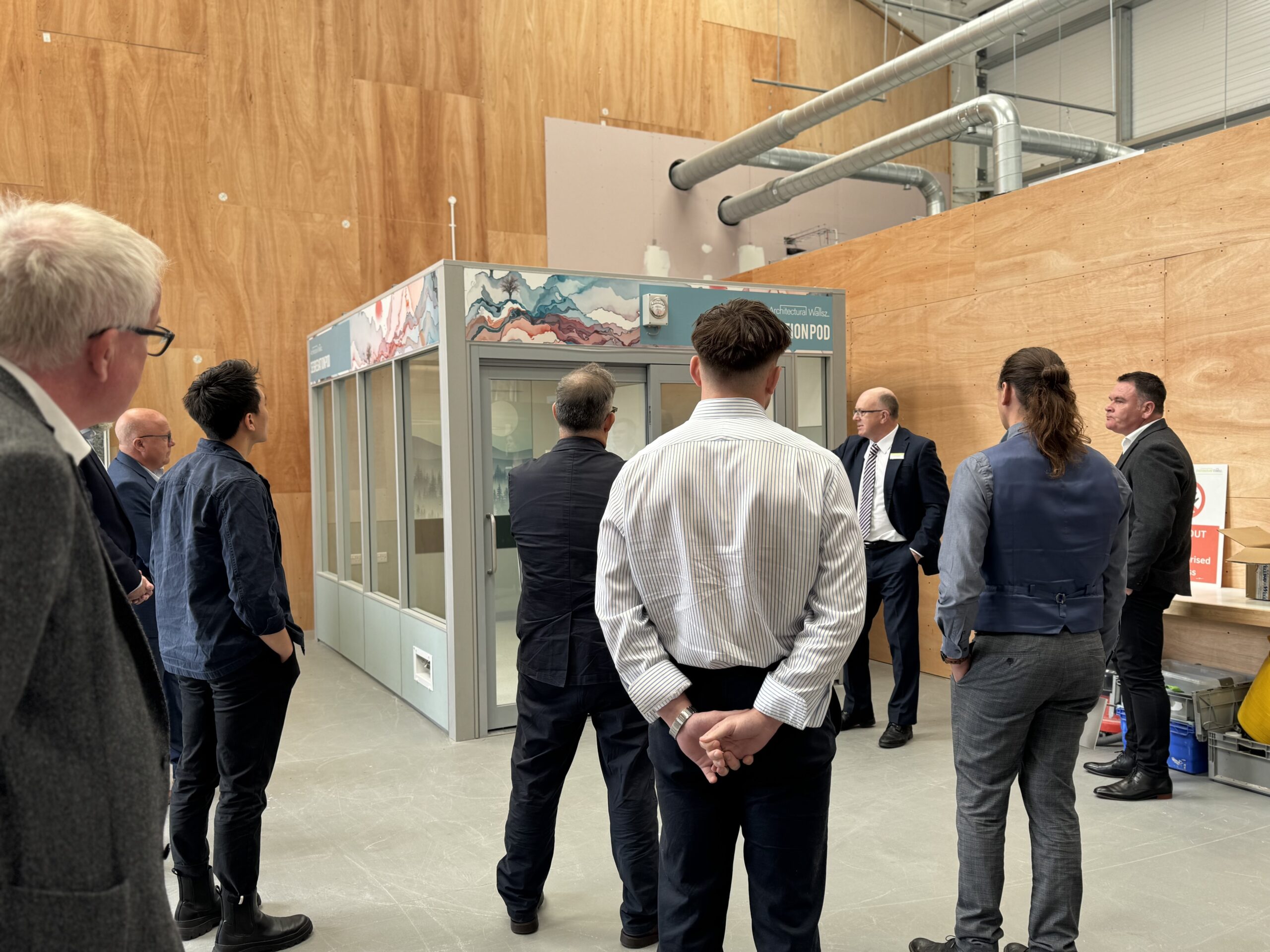
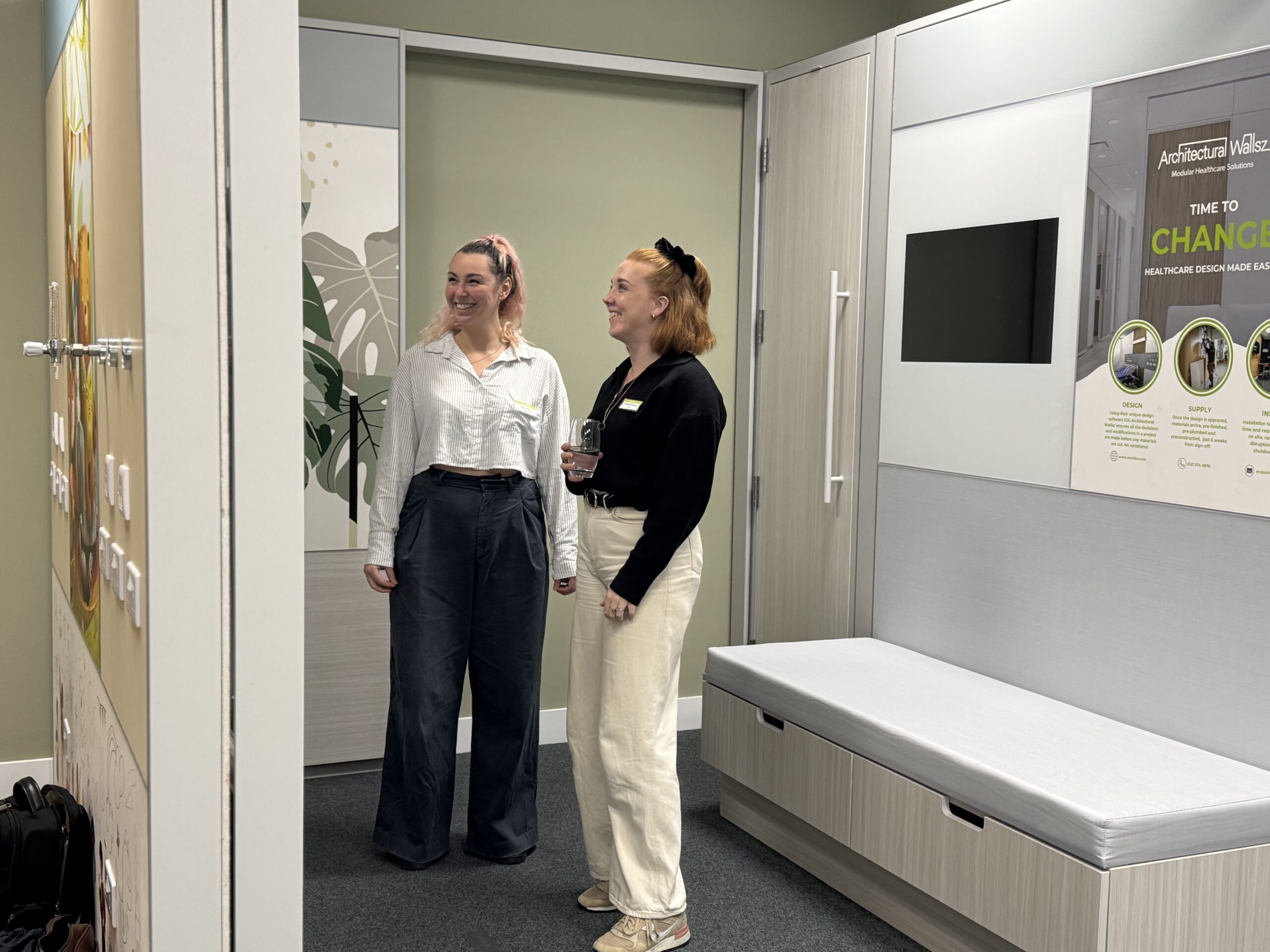
Adaptive construction refers to the use of modular and flexible design principles to create buildings that can be easily reconfigured or expanded as needs change.
This approach is particularly valuable in healthcare environments, where the ability to adapt quickly to new technologies, treatments and patient needs is crucial.
Traditional construction methods often fail to keep up with these changes, while adaptive construction provides spaces that can be easily modified without major overhauls, leading to cost savings and minimised disruption.
We’ve stated that adaptive construction offers a dynamic solution for healthcare facilities facing constant change but how exactly does our approach benefit these facilities?
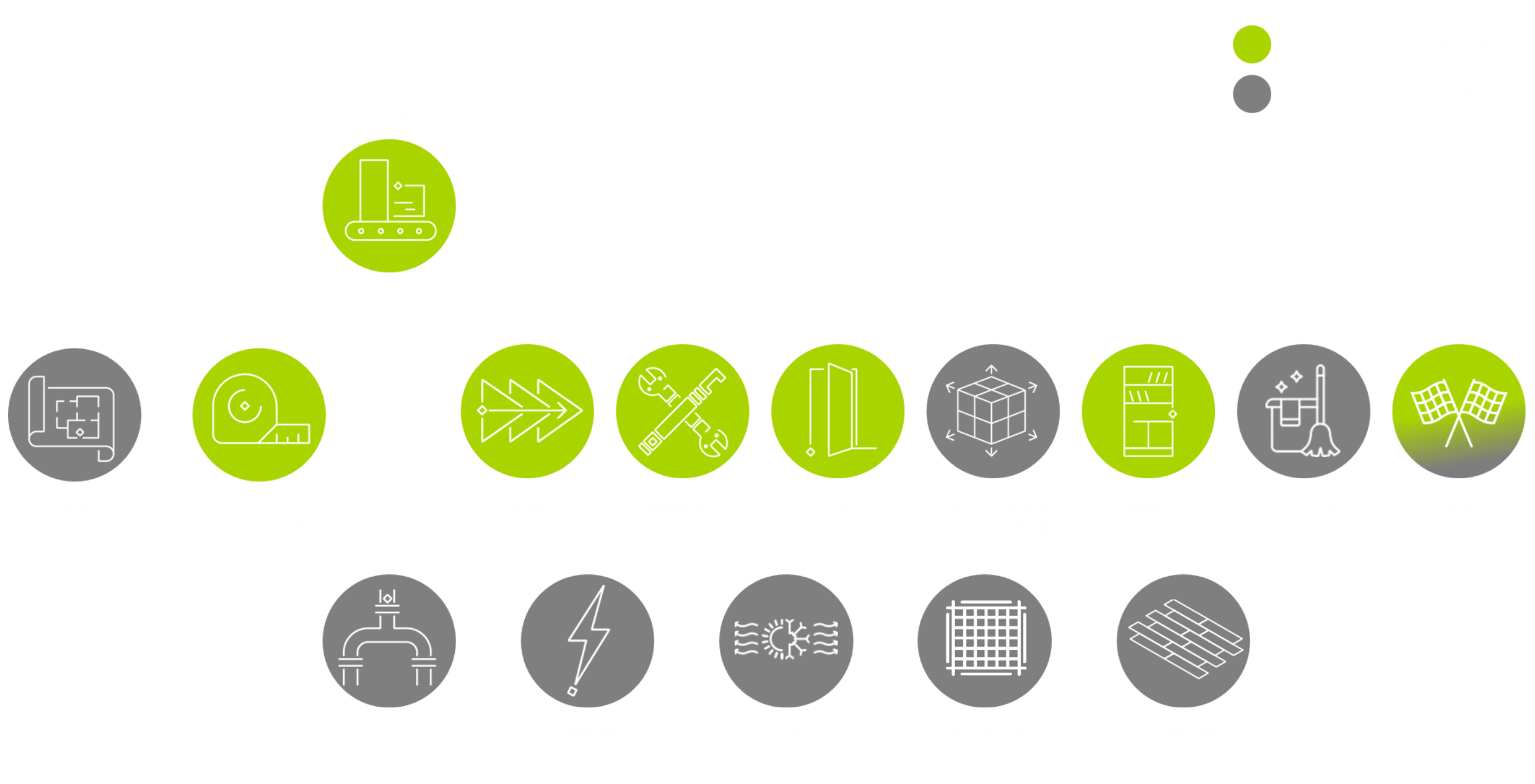
Implementing adaptive construction in healthcare involves a strategic approach that focuses on modularity and flexibility. Key steps include:
By focusing on these elements, healthcare facilities can achieve a balance of flexibility, efficiency and future readiness.
Adaptive construction in healthcare is a forward-thinking approach that addresses the unique and constantly evolving needs of the sector. Understanding what adaptive construction is and how it can be applied in healthcare is the first step towards creating facilities that are ready for the challenges of tomorrow.
Here at Architectural Wallsz, we are at the forefront of this movement and offer innovative solutions that set new standards in healthcare construction. If you’d like to know more about adaptive construction, contact us today.
When we’re asked, ‘What is adaptive construction?’ we get excited because it means we can talk about the almost-endless benefits of our future-proofed construction solutions.
Adaptive construction in healthcare facilities is essential for creating flexible, efficient and cost-effective environments. As the healthcare sector is consistently evolving due to technological advancements, changing patient demographics and new treatment practices, the demand for adaptable spaces has never been higher.
In this blog, we will answer the question, ‘What is adaptive construction?’ and look at why it’s important in the healthcare sector.
Adaptive construction refers to the use of modular and flexible design principles to create buildings that can be easily reconfigured or expanded as needs change.
This approach is particularly valuable in healthcare environments, where the ability to adapt quickly to new technologies, treatments and patient needs is crucial.
Traditional construction methods often fail to keep up with these changes, while adaptive construction provides spaces that can be easily modified without major overhauls, leading to cost savings and minimised disruption.
We’ve stated that adaptive construction offers a dynamic solution for healthcare facilities facing constant change but how exactly does our approach benefit these facilities?
Implementing adaptive construction in healthcare involves a strategic approach that focuses on modularity and flexibility. Key steps include:
By focusing on these elements, healthcare facilities can achieve a balance of flexibility, efficiency and future readiness.
Adaptive construction in healthcare is a forward-thinking approach that addresses the unique and constantly evolving needs of the sector. Understanding what adaptive construction is and how it can be applied in healthcare is the first step towards creating facilities that are ready for the challenges of tomorrow.
Here at Architectural Wallsz, we are at the forefront of this movement and offer innovative solutions that set new standards in healthcare construction. If you’d like to know more about adaptive construction, contact us today.












We often send out our newsletter with news and great offers. We will never disclose your data to third parties and you can unsubscribe from the newsletter at any time.
Unfortunately, we’re unable to offer free samples. As a retailer, we buy all magazines from their publishers at the regular trade price. However, you could contact the magazine’s publisher directly to ask if they can send you a free copy.
You can create a new account at the end of the order process or on the following page. You can view all of your orders and subscriptions in your customer account. You can also change your addresses and your password.
No, you don’t have to create an account. But there are a few advantages if you create an account.
You never have to enter your billing and shipping address again
Find all of your orders, subscriptions and addresses in your account
Download invoices of your orders
No, we don’t have a physical store location at the moment. We accept only orders through our online shop and we’re shipping all orders with the Swiss Post Service. Please visit our shipping section for more details.
From time to time you will find us at design fairs and popup markets in Switzerland. Subscribe to our newsletter and you’ll receive the latest news.