
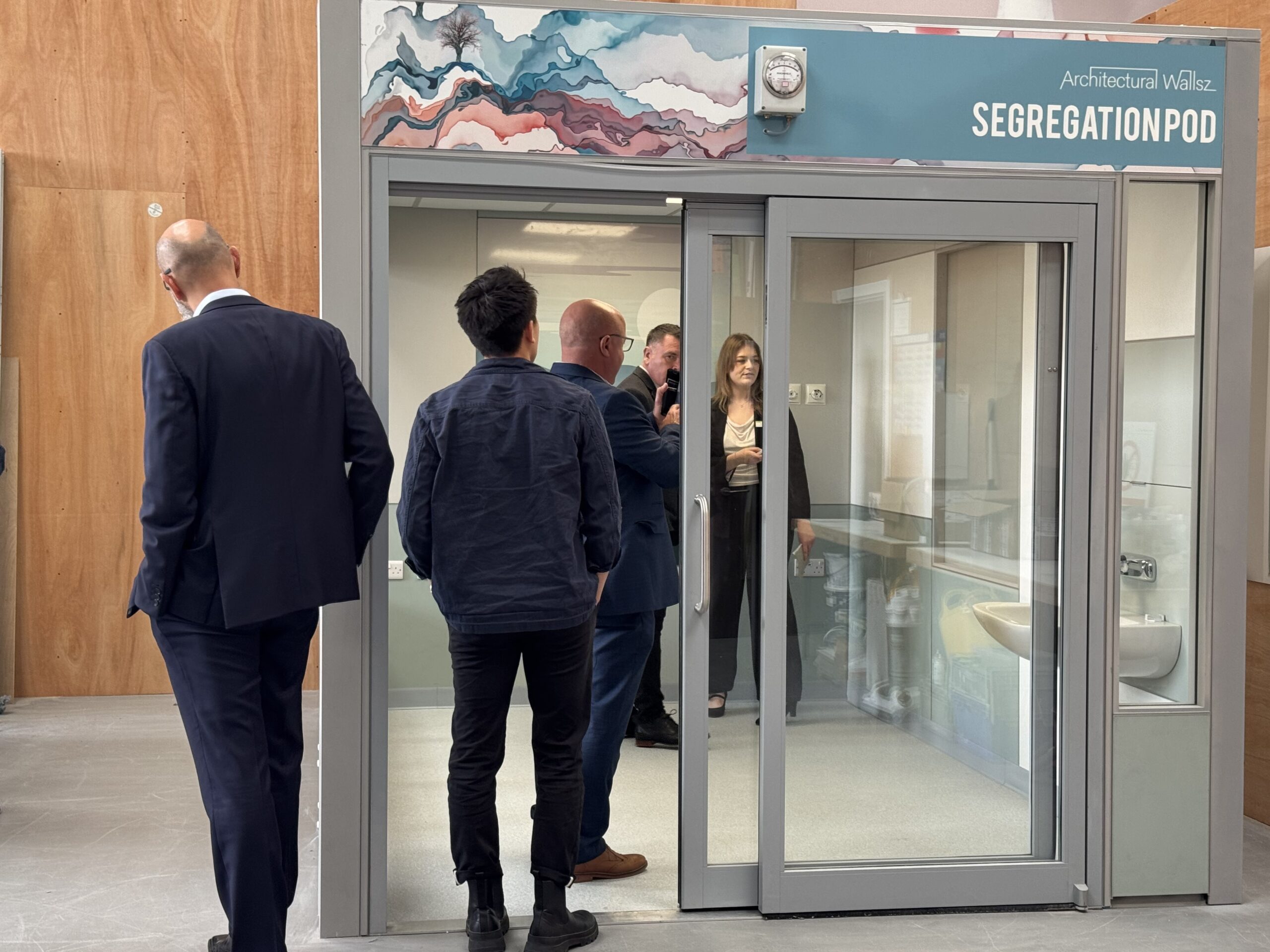
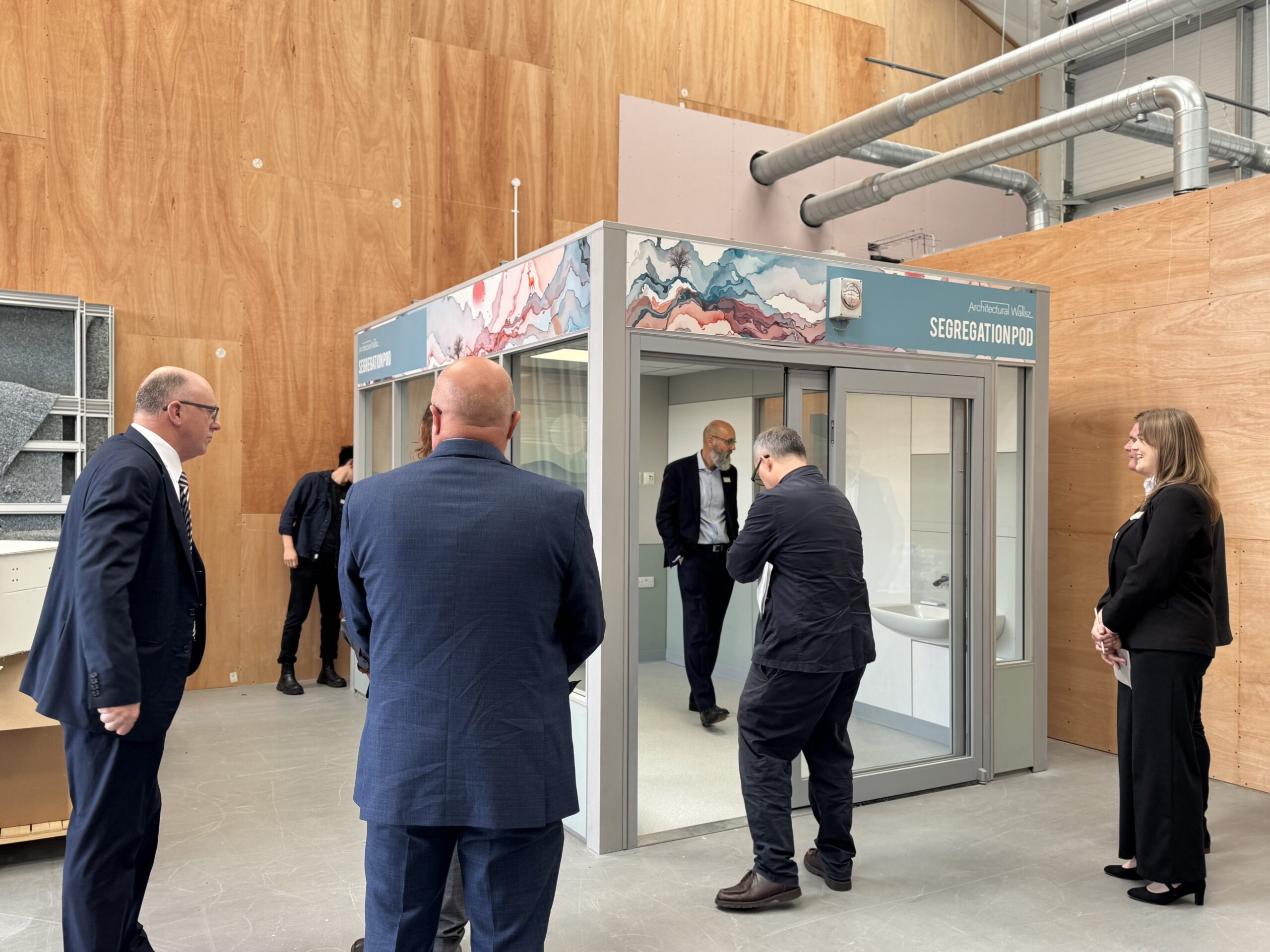
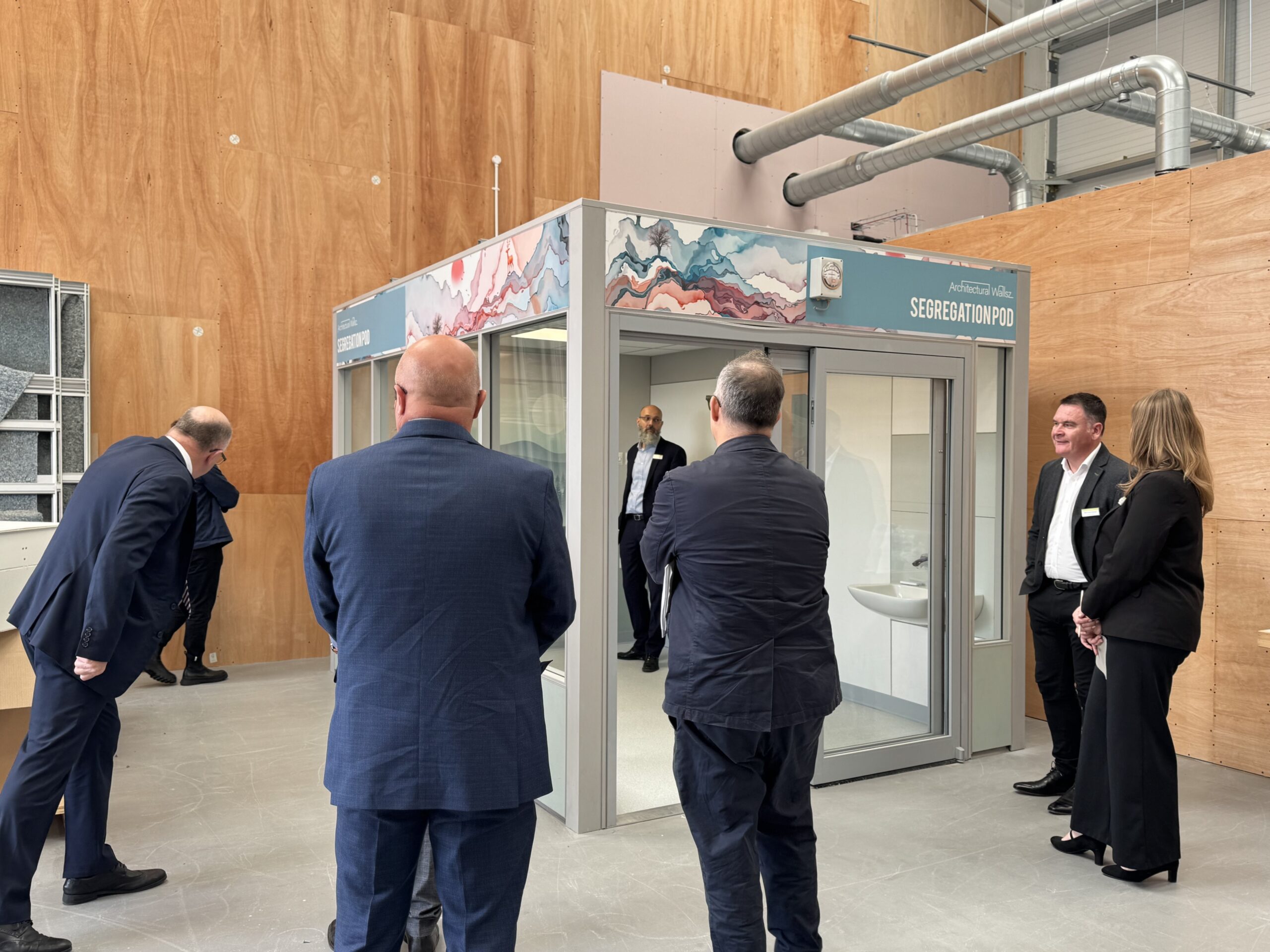
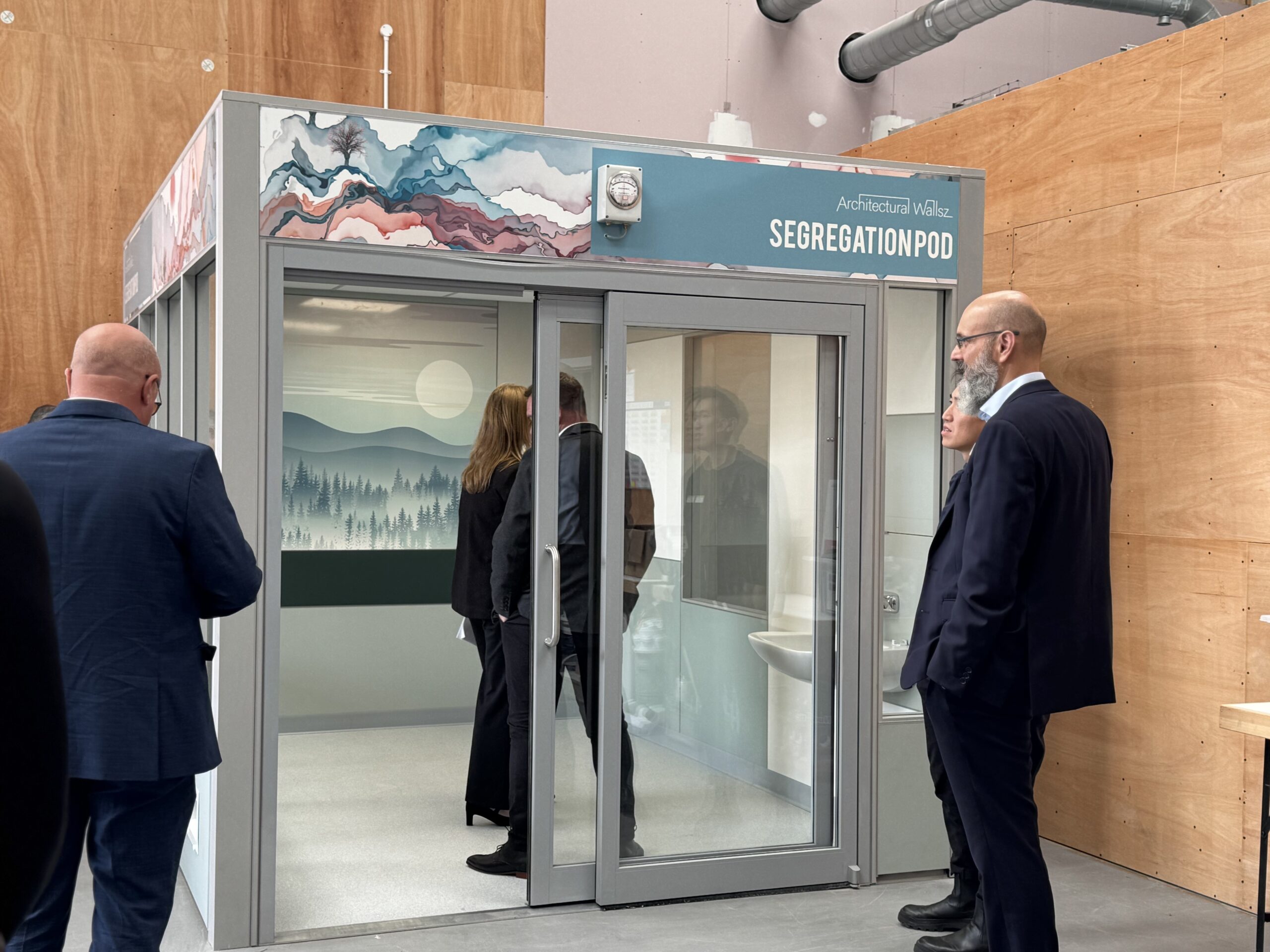
Isolation rooms have become a critical part of modern healthcare infrastructure but not every isolation room is created consistently. At Architectural Wallsz, we specialise in modular isolation rooms, which offer clear advantages over standard isolation rooms – particularly in terms of time, cost-effectiveness, install speed and adaptability.
But how exactly do modular isolation rooms differ from traditional ones? Let’s explain.
Before exploring the differences between modular and traditional isolation rooms, it is worth briefly covering when isolation rooms are required. Hospitals rely on isolation rooms to prevent the spread of airborne infections and to protect vulnerable, immunocompromised patients.
Whether it’s during a pandemic like COVID-19, or routine care of patients undergoing treatments, like chemotherapy, isolation rooms ensure the safety and health of patients and staff.
Standard isolation rooms typically involve conventional building methods, with construction done in a linear sequence, fully on-site. These rooms require substantial planning, cutting down of materials, first and second fix electrical and ventilation and onsite painting and decoration, often resulting in lengthy build timelines. They also commonly lead to significant disruption to healthcare operations due to noise, dust and labour requirements of on-site work.
Moreover, standard isolation rooms offer limited adaptability once constructed. If healthcare needs change or new medical guidelines are introduced, modifying these rooms can be expensive and logistically challenging. Costs can also escalate unpredictably due to extended timelines, unforeseen site issues or construction delays.
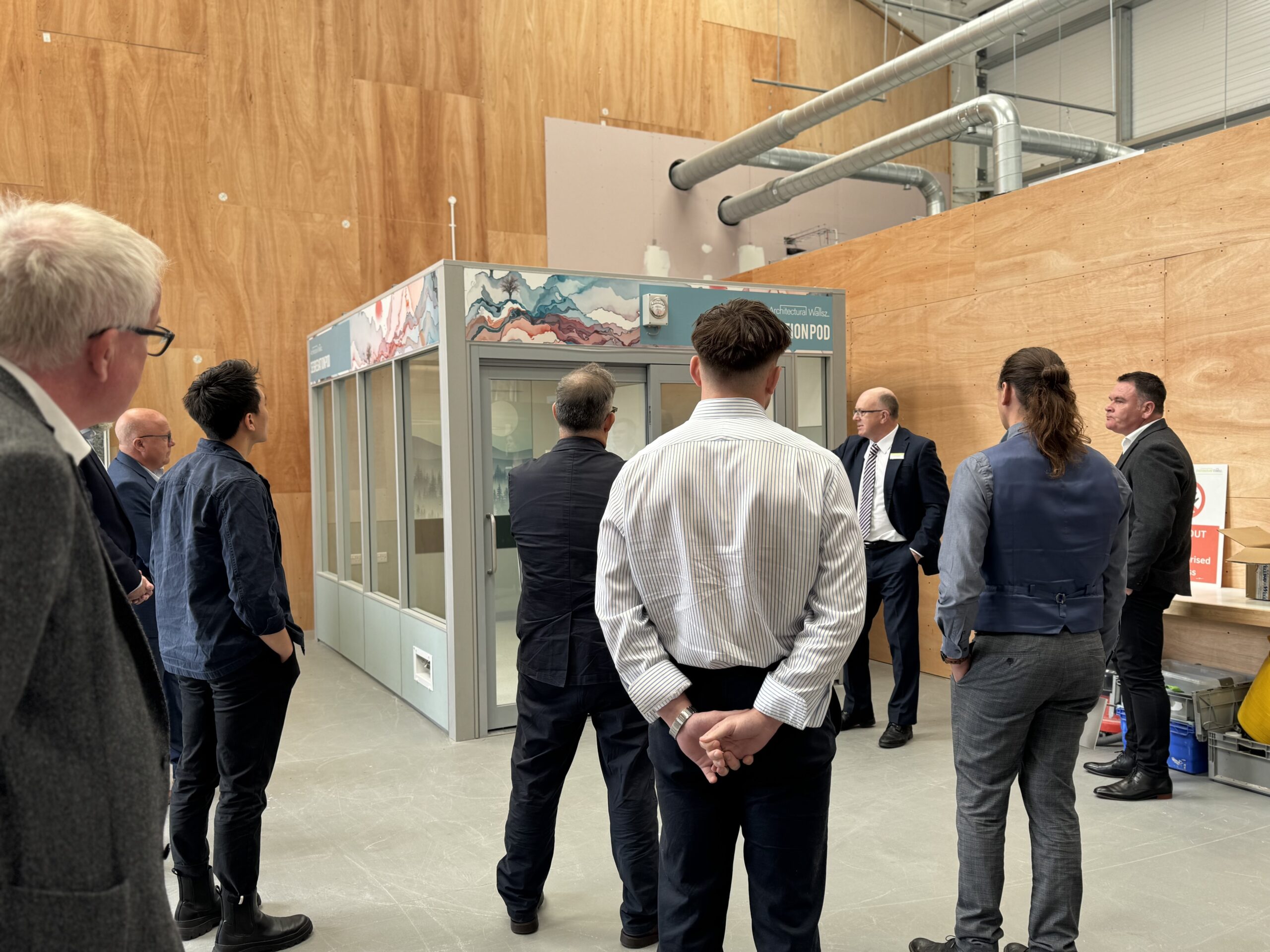
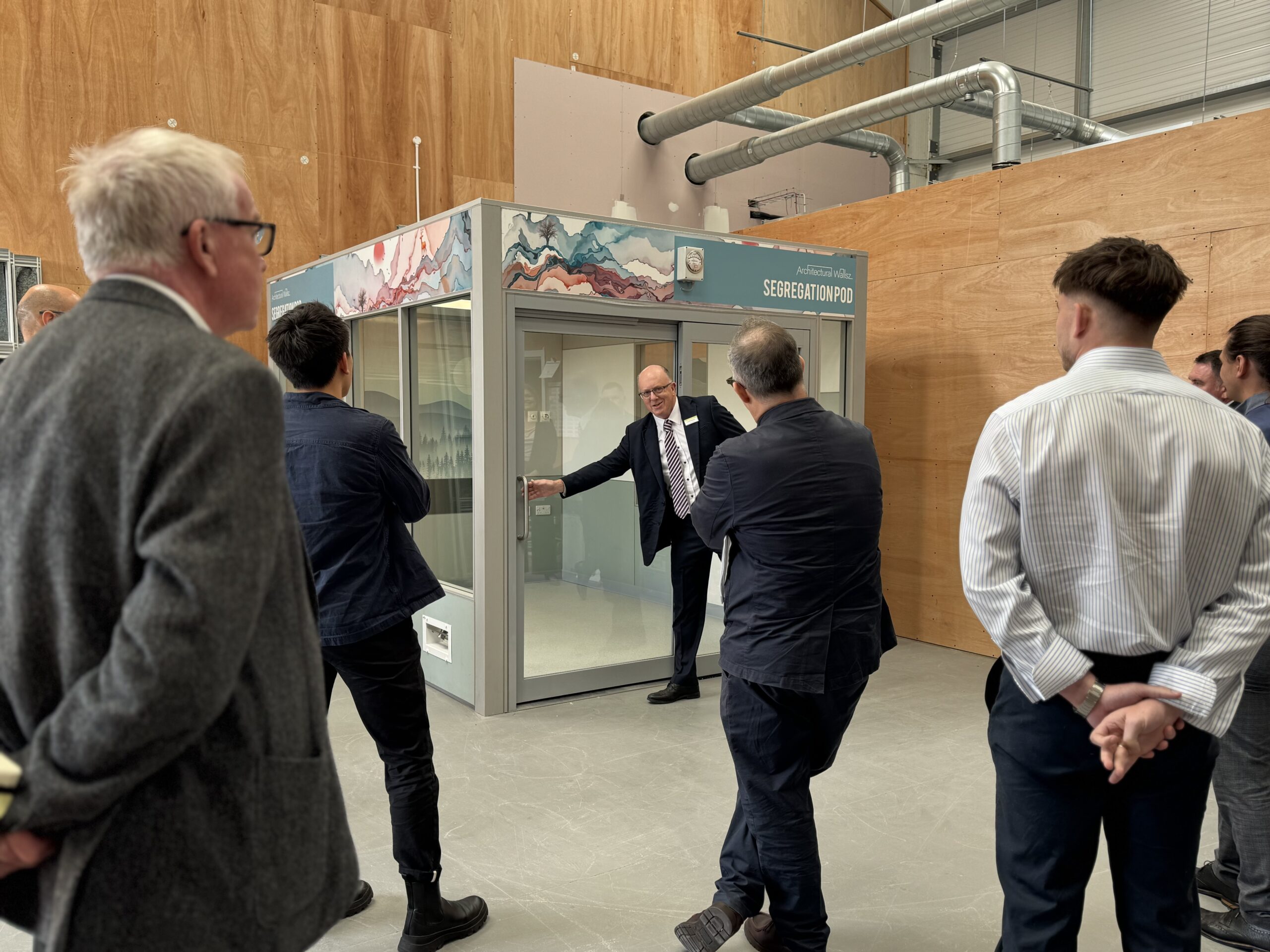
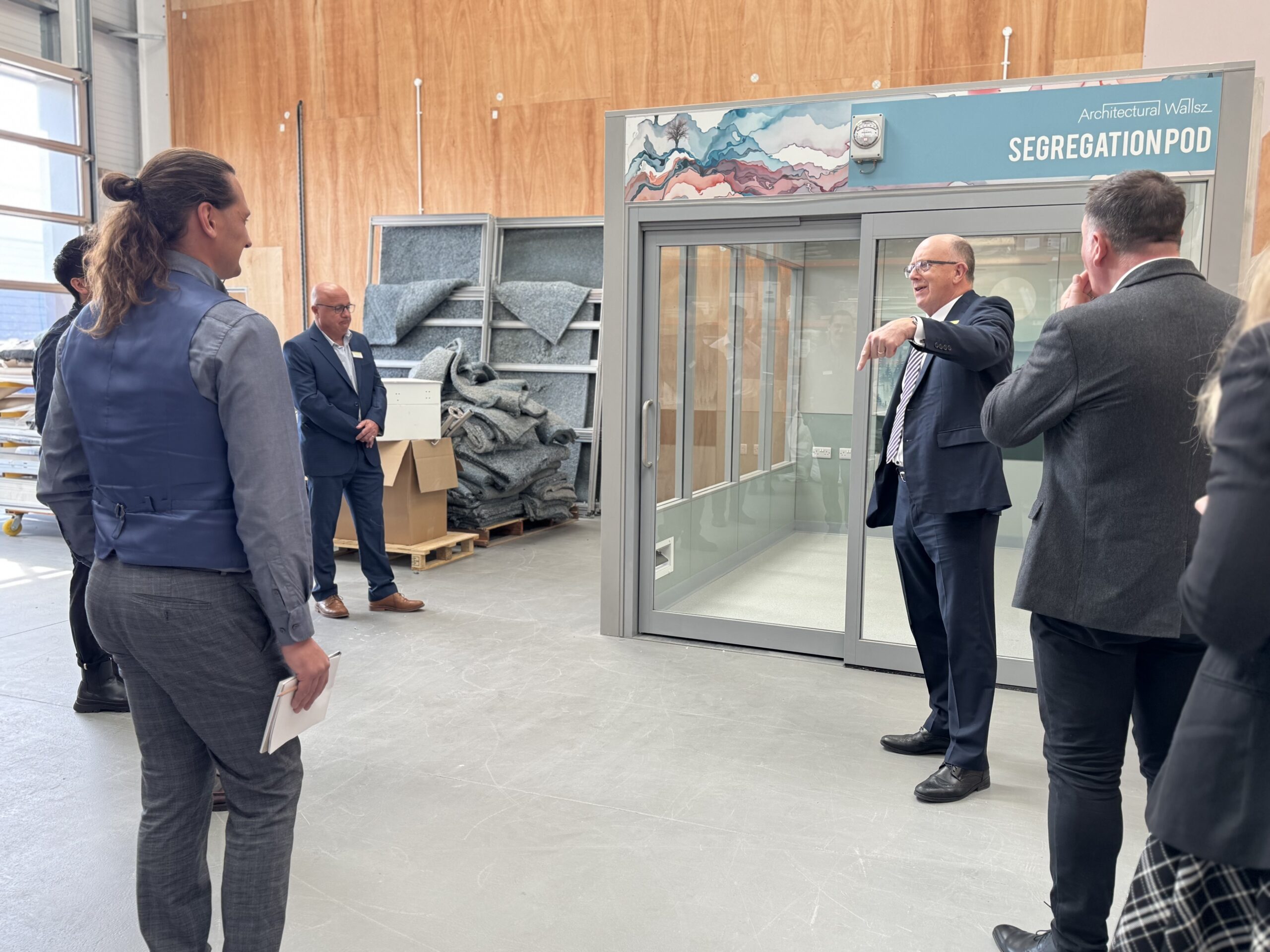
At Architectural Wallsz, we do things differently. Our modular isolation rooms are manufactured off-site under controlled conditions to reduce construction timelines.
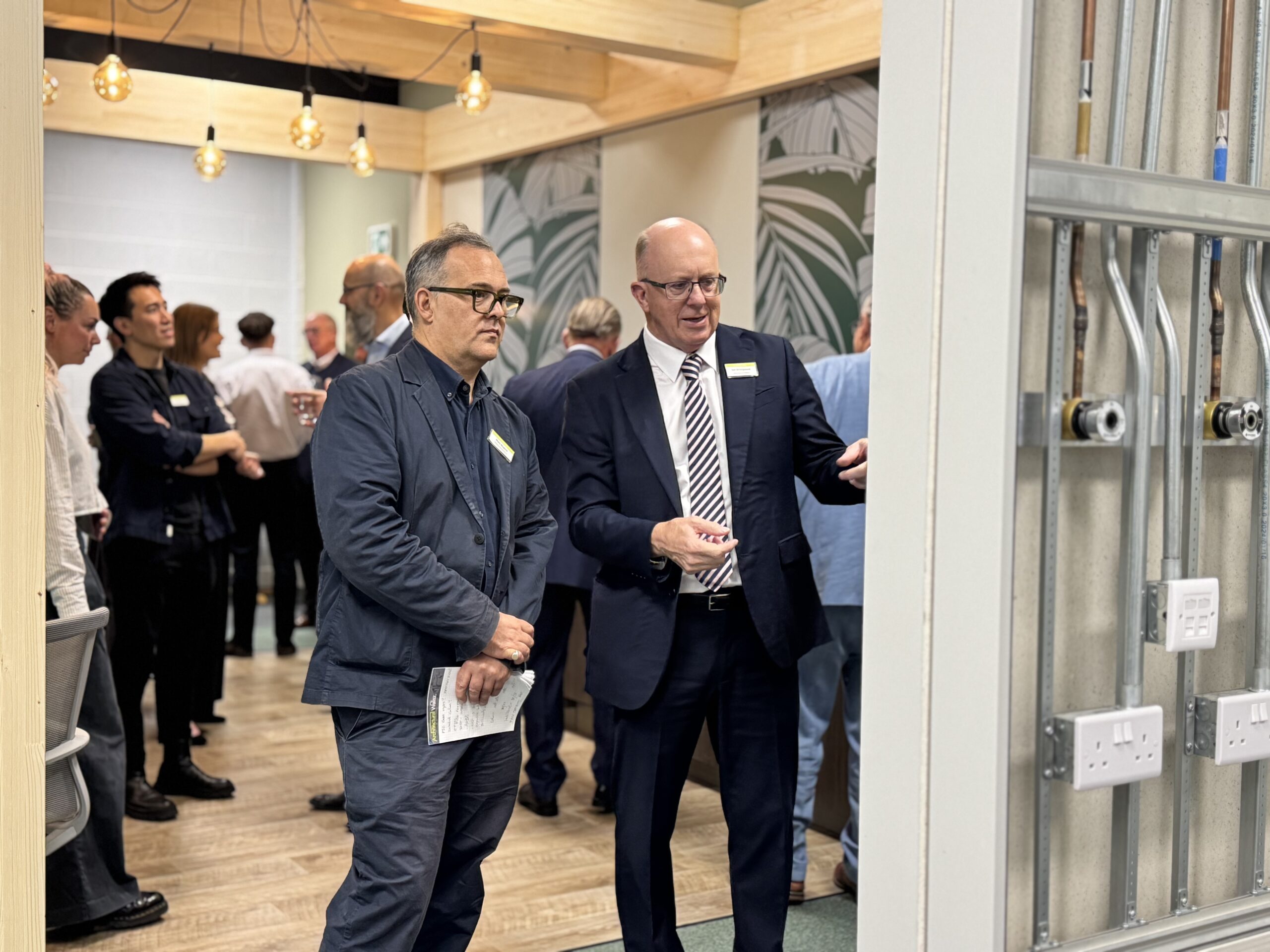
The average time saved on a project using modular, multi-trade isolation rooms is around 30%. As boards are pre-cut and finished and all integrated services are pre-plumbed off site, installation is rapid, clean and durable. This helps to drastically reduce the disruption to hospital operations.
Because modular isolation rooms are constructed in a factory setting, costs are more predictable and controlled, eliminating the risk associated with on-site construction uncertainties. This approach ensures hospitals can accurately budget and avoid costly delays.
Adaptability is another advantage to keep in mind. Our modular rooms can quickly adjust to any evolving healthcare standards. If you require negative pressure to isolate infectious patients, positive pressure to protect immunocompromised individuals or a combined suite for simultaneous applications, these rooms can easily adapt. This flexibility is critical, especially during unexpected healthcare events or guideline changes.
Furthermore, the modular design allows for easy integration of the latest infection-control technologies, materials compliant with NHS and Public Health England guidelines and energy-efficient systems, which aligns with the NHS’s sustainability targets.
| Feature | Standard Isolation Rooms | Modular Isolation Rooms (AWallsz) |
| Build Time | 100% (linear onsite sequencing) | 70% (integrated onsite and offsite sequencing) |
| Operational Disruption | High (extensive onsite work) | Minimal (offsite construction prefabrication) |
| Adaptability | Limited (hard to modify) | High (easily adaptable design) |
| Cost Control | Variable and unpredictable | Predictable and controlled |
| Compliance & Hygiene | Dependent on build quality | Built to standardised NHS compliance |
As healthcare demands continue to change rapidly, modular isolation rooms offer the ideal solution for futureproofing hospital infrastructure. The ability to scale quickly, adapt to new clinical requirements and maintain rigorous infection-control standards positions modular isolation rooms as essential for modern hospital design.
Moreover, healthcare providers can ensure they’re prepared, not only for current challenges but for tomorrow’s as well.
Choosing modular isolation rooms from Architectural Wallsz means choosing faster delivery, predictable budgets, minimal disruption and the flexibility needed to stay ahead.
If you’re interested in learning more about our modular isolation rooms or how Architectural Wallsz can support your facility, get in touch with our team today.
Isolation rooms have become a critical part of modern healthcare infrastructure but not every isolation room is created consistently. At Architectural Wallsz, we specialise in modular isolation rooms, which offer clear advantages over standard isolation rooms – particularly in terms of time, cost-effectiveness, install speed and adaptability.
But how exactly do modular isolation rooms differ from traditional ones? Let’s explain.
Before exploring the differences between modular and traditional isolation rooms, it is worth briefly covering when isolation rooms are required. Hospitals rely on isolation rooms to prevent the spread of airborne infections and to protect vulnerable, immunocompromised patients.
Whether it’s during a pandemic like COVID-19, or routine care of patients undergoing treatments, like chemotherapy, isolation rooms ensure the safety and health of patients and staff.
Standard isolation rooms typically involve conventional building methods, with construction done in a linear sequence, fully on-site. These rooms require substantial planning, cutting down of materials, first and second fix electrical and ventilation and onsite painting and decoration, often resulting in lengthy build timelines. They also commonly lead to significant disruption to healthcare operations due to noise, dust and labour requirements of on-site work.
Moreover, standard isolation rooms offer limited adaptability once constructed. If healthcare needs change or new medical guidelines are introduced, modifying these rooms can be expensive and logistically challenging. Costs can also escalate unpredictably due to extended timelines, unforeseen site issues or construction delays.
At Architectural Wallsz, we do things differently. Our modular isolation rooms are manufactured off-site under controlled conditions to reduce construction timelines.
The average time saved on a project using modular, multi-trade isolation rooms is around 30%. As boards are pre-cut and finished and all integrated services are pre-plumbed off site, installation is rapid, clean and durable. This helps to drastically reduce the disruption to hospital operations.
Because modular isolation rooms are constructed in a factory setting, costs are more predictable and controlled, eliminating the risk associated with on-site construction uncertainties. This approach ensures hospitals can accurately budget and avoid costly delays.
Adaptability is another advantage to keep in mind. Our modular rooms can quickly adjust to any evolving healthcare standards. If you require negative pressure to isolate infectious patients, positive pressure to protect immunocompromised individuals or a combined suite for simultaneous applications, these rooms can easily adapt. This flexibility is critical, especially during unexpected healthcare events or guideline changes.
Furthermore, the modular design allows for easy integration of the latest infection-control technologies, materials compliant with NHS and Public Health England guidelines and energy-efficient systems, which aligns with the NHS’s sustainability targets.
| Feature | Standard Isolation Rooms | Modular Isolation Rooms (AWallsz) |
| Build Time | 100% (linear onsite sequencing) | 70% (integrated onsite and offsite sequencing) |
| Operational Disruption | High (extensive onsite work) | Minimal (offsite construction prefabrication) |
| Adaptability | Limited (hard to modify) | High (easily adaptable design) |
| Cost Control | Variable and unpredictable | Predictable and controlled |
| Compliance & Hygiene | Dependent on build quality | Built to standardised NHS compliance |
As healthcare demands continue to change rapidly, modular isolation rooms offer the ideal solution for futureproofing hospital infrastructure. The ability to scale quickly, adapt to new clinical requirements and maintain rigorous infection-control standards positions modular isolation rooms as essential for modern hospital design.
Moreover, healthcare providers can ensure they’re prepared, not only for current challenges but for tomorrow’s as well.
Choosing modular isolation rooms from Architectural Wallsz means choosing faster delivery, predictable budgets, minimal disruption and the flexibility needed to stay ahead.
If you’re interested in learning more about our modular isolation rooms or how Architectural Wallsz can support your facility, get in touch with our team today.



























We often send out our newsletter with news and great offers. We will never disclose your data to third parties and you can unsubscribe from the newsletter at any time.
Unfortunately, we’re unable to offer free samples. As a retailer, we buy all magazines from their publishers at the regular trade price. However, you could contact the magazine’s publisher directly to ask if they can send you a free copy.
You can create a new account at the end of the order process or on the following page. You can view all of your orders and subscriptions in your customer account. You can also change your addresses and your password.
No, you don’t have to create an account. But there are a few advantages if you create an account.
You never have to enter your billing and shipping address again
Find all of your orders, subscriptions and addresses in your account
Download invoices of your orders
No, we don’t have a physical store location at the moment. We accept only orders through our online shop and we’re shipping all orders with the Swiss Post Service. Please visit our shipping section for more details.
From time to time you will find us at design fairs and popup markets in Switzerland. Subscribe to our newsletter and you’ll receive the latest news.