
As we look to the future of construction, one thing is clear: interior modular construction is set to play a huge role in shaping how we design, build and use spaces. By 2025, we can expect even more advancements that will revolutionise the industry, especially in healthcare.
At Architectural Wallsz, we’re already seeing some of these shifts and we’re excited to be part of the change. Let’s go a bit deeper into what we expect from the next few years and how these 2025 predictions are likely to impact the way we build.
Sustainability has always been a consideration in construction but our 2025 predictions show it will become even more central to the process. Eco-friendly materials like recycled steel, reclaimed wood and energy-efficient designs will be standard in modular and adaptable construction.
We’re already seeing this trend take shape with the projects we’ve worked on at Architectural Wallsz. For example, our healthcare consulting rooms increasingly use low-VOC materials and energy-efficient solutions, such as recycled MDF, aluminium and denim insulation, and FFC Certified veneers and MDF. These choices, in addition to being good for the planet, help clients save money in the long run by reducing energy costs.
It’s clear that in 2025 the pressure to meet sustainability goals will drive the construction industry to build more responsibly.
We believe off-site construction and prefabrication will dominate the industry in 2025. The ability to manufacture components in a controlled environment is a huge advantage, as it allows for better precision, less waste and quicker turnaround times.
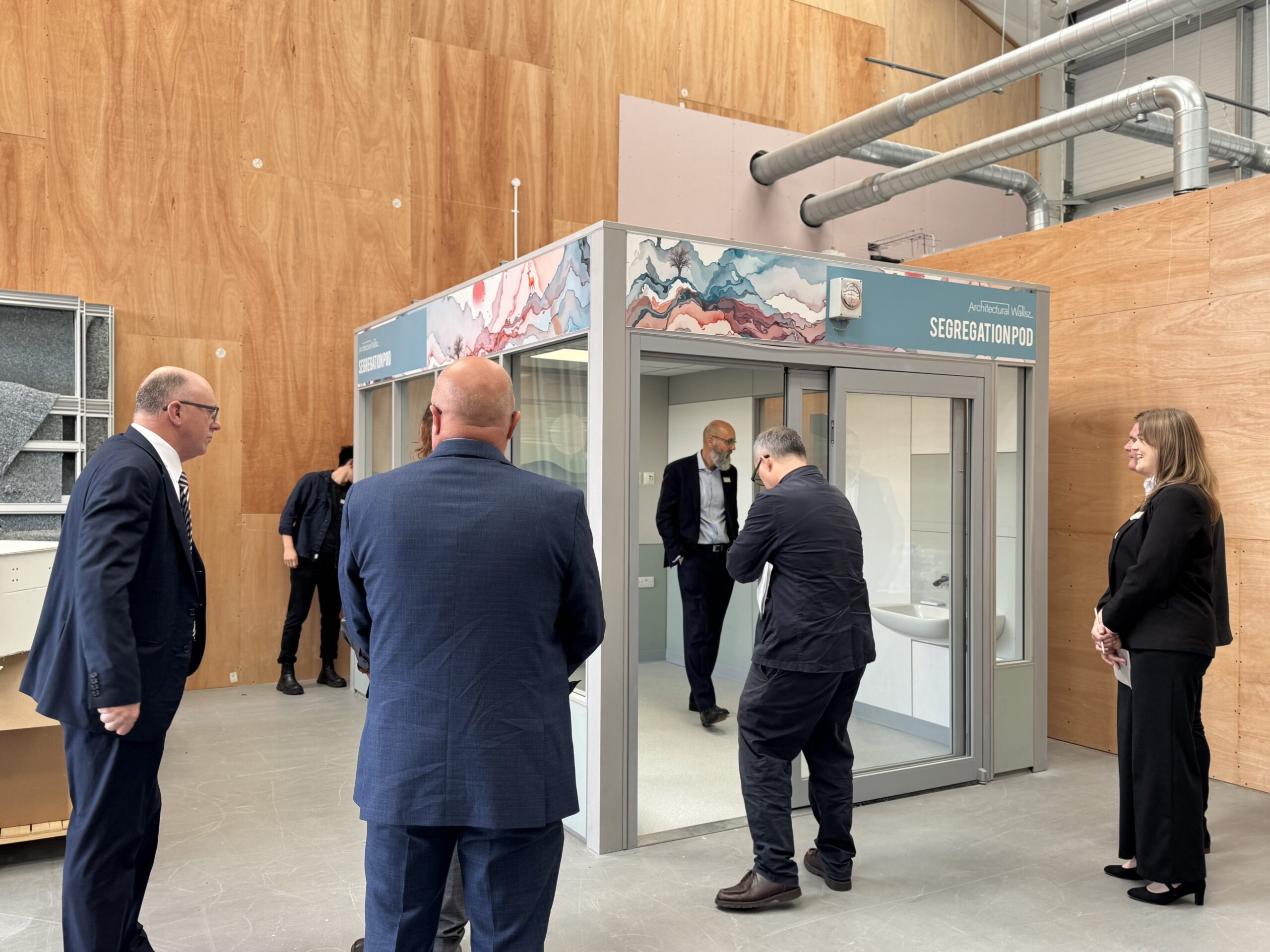
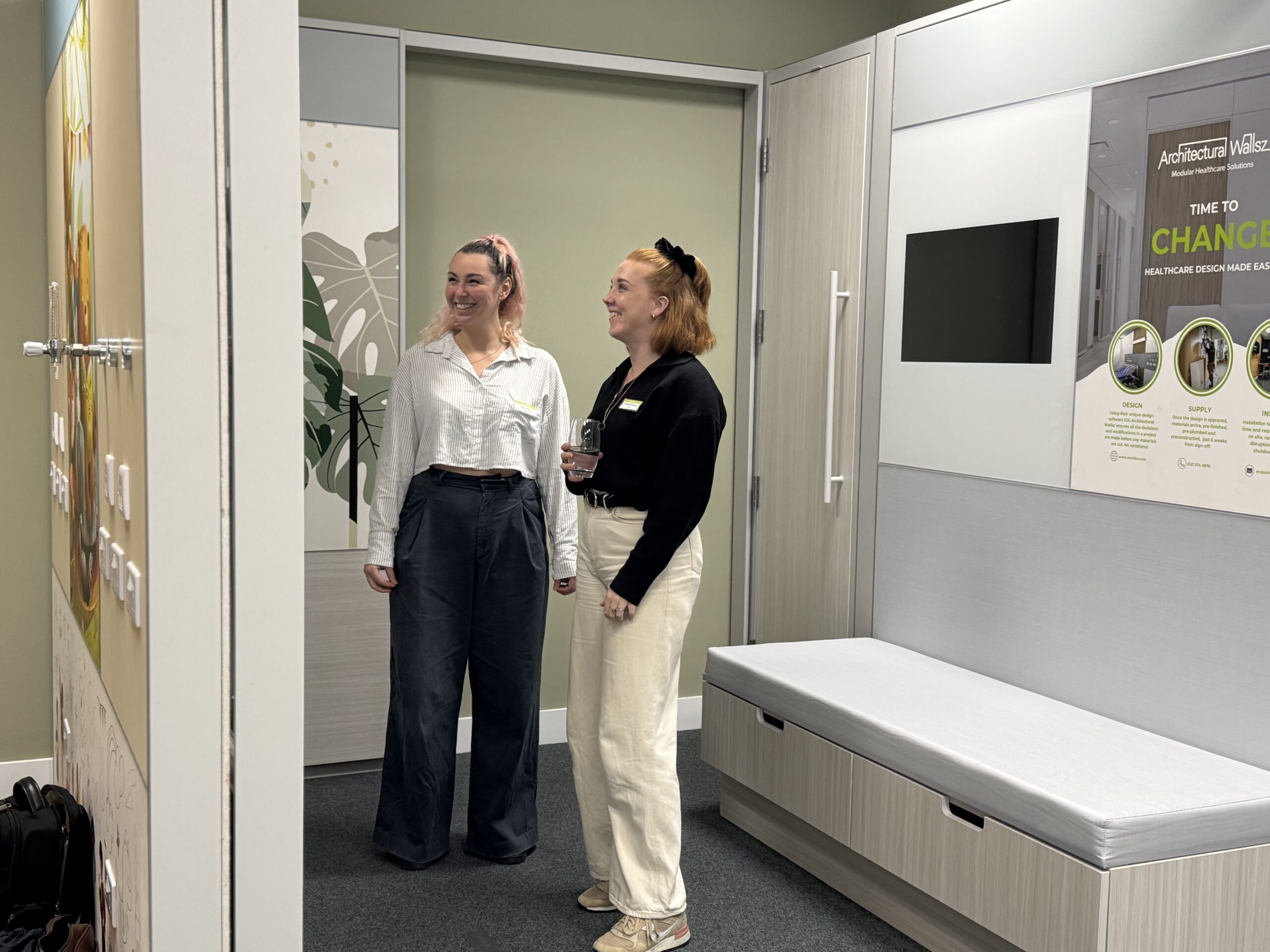
A great example is our modular healthcare consulting rooms. These rooms are designed with specific client needs in mind and built off-site. This allows for swifter, more efficient manufacturing and installation. What’s more, the prefab model reduces disruptions, especially in healthcare spaces where downtime can have a significant impact on patient care.
The benefits are clear: prefabrication reduces on-site construction time, minimises disruptions to surrounding areas and produces cleaner, more efficient workspaces. By 2025, we expect prefab to be the go-to solution, particularly for healthcare spaces.
Technology is another area where 2025 predictions show huge growth. In modular construction, tools like Building Information Modeling (BIM), virtual reality and automation are already making waves. These technologies allow for more precise designs, real-time adjustments and better collaboration between architects, builders and clients, before any work on-site takes place.
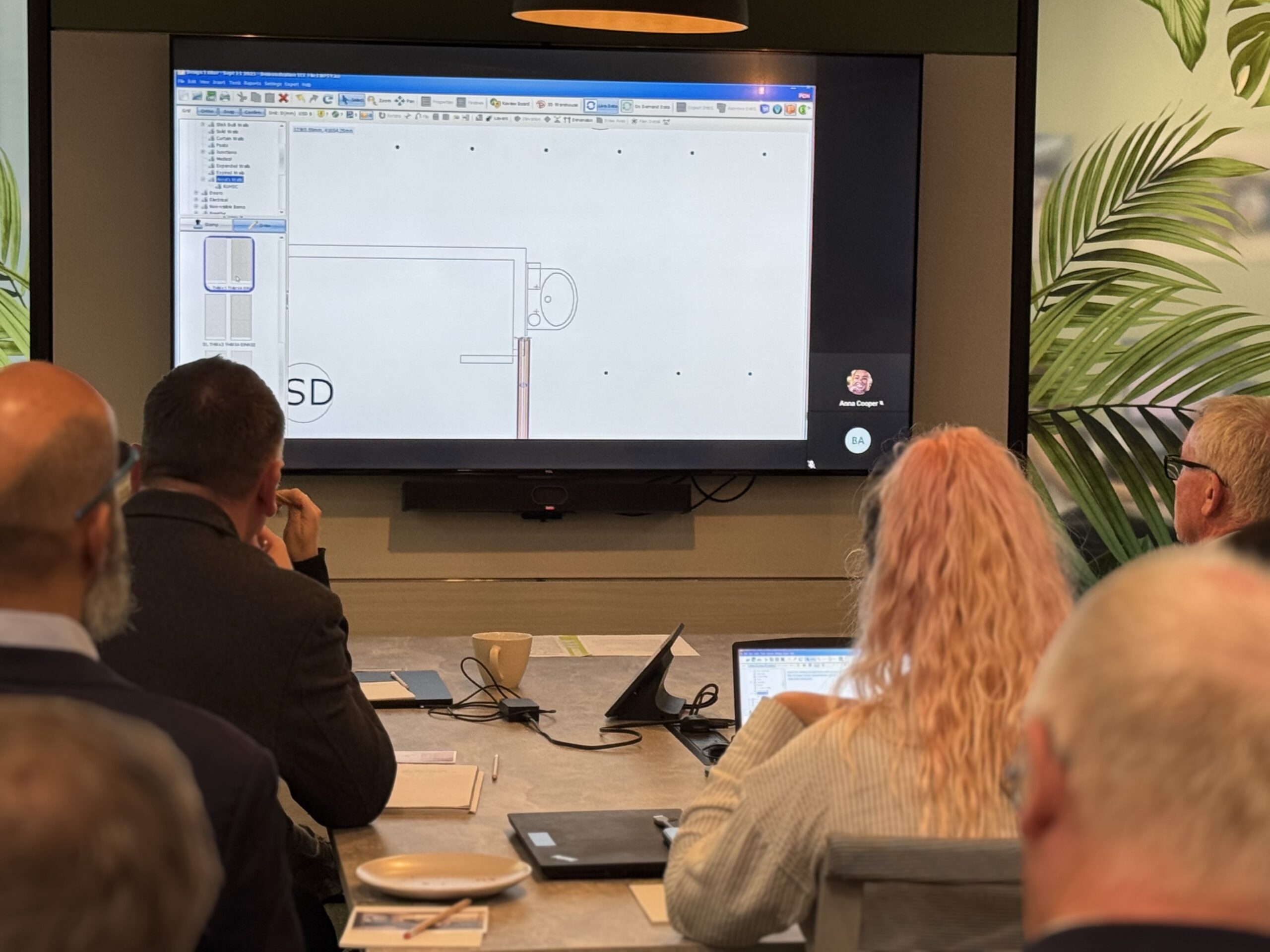
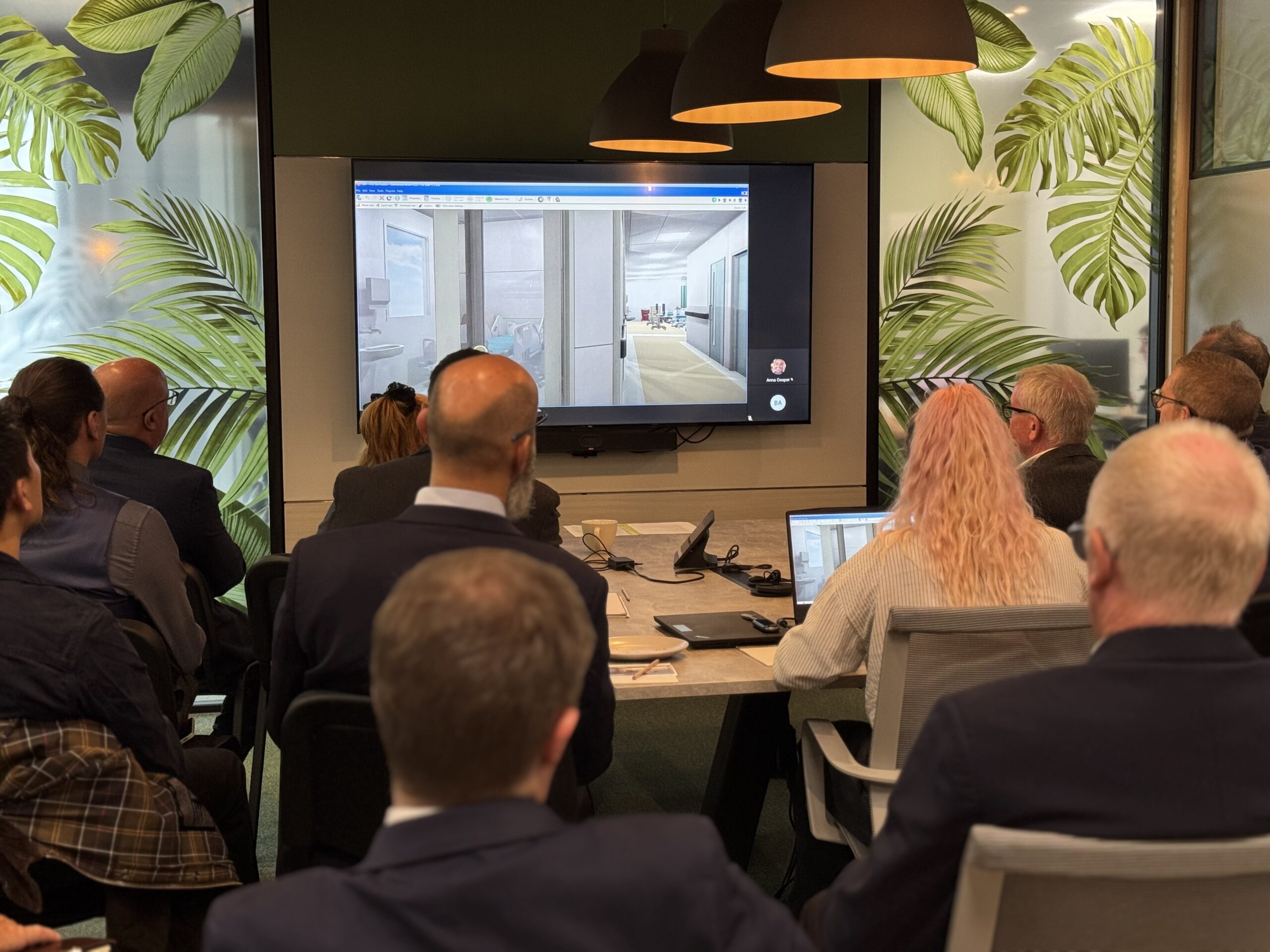
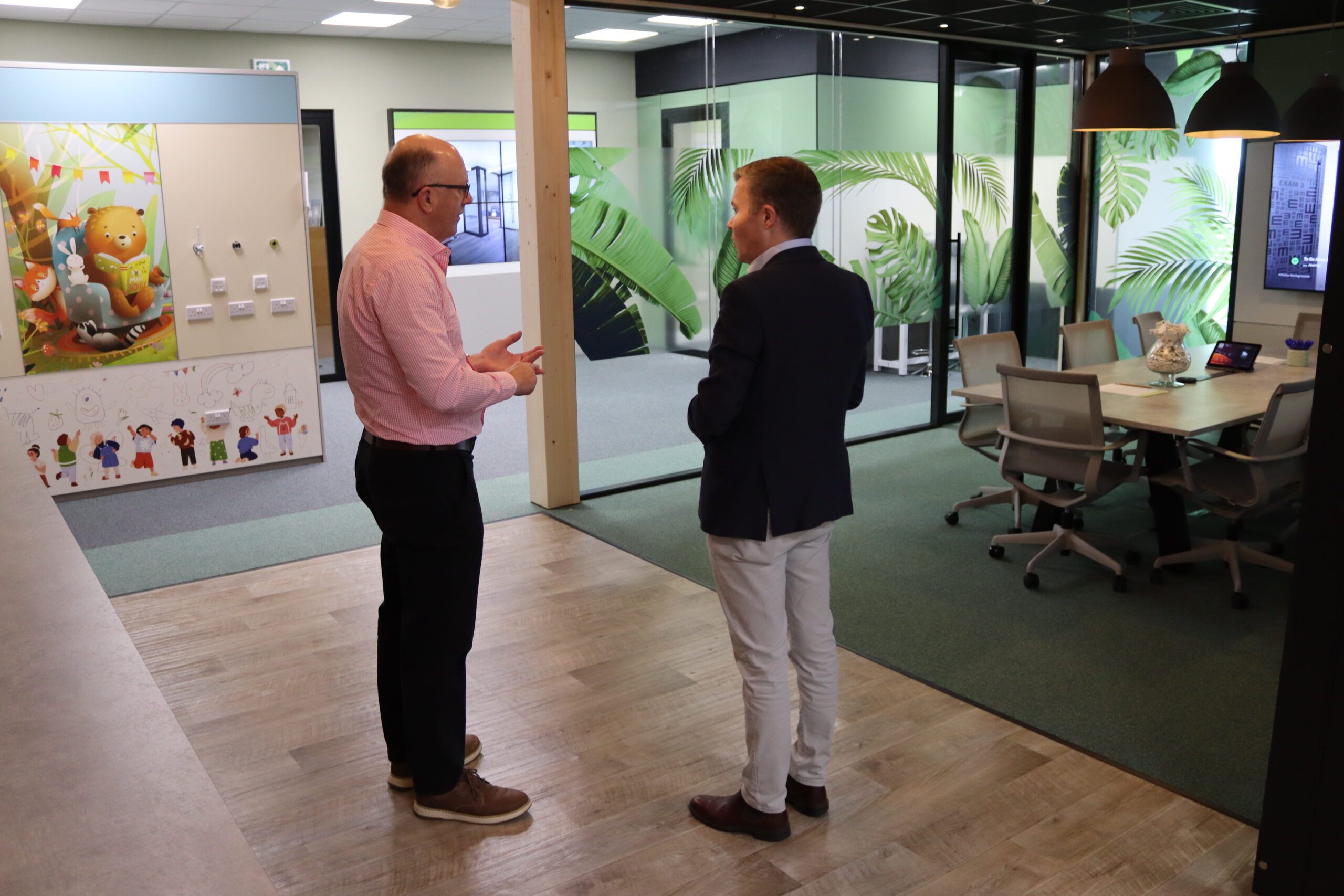
We’ve always integrated these tools into our workflows. With our exclusive ICE system, we’re able to provide clients with highly detailed, accurate 3D models of their projects. This not only helps avoid costly mistakes but also provides clarity for clients, who can see their future spaces come to life virtually and make any changes without impacting the construction process.
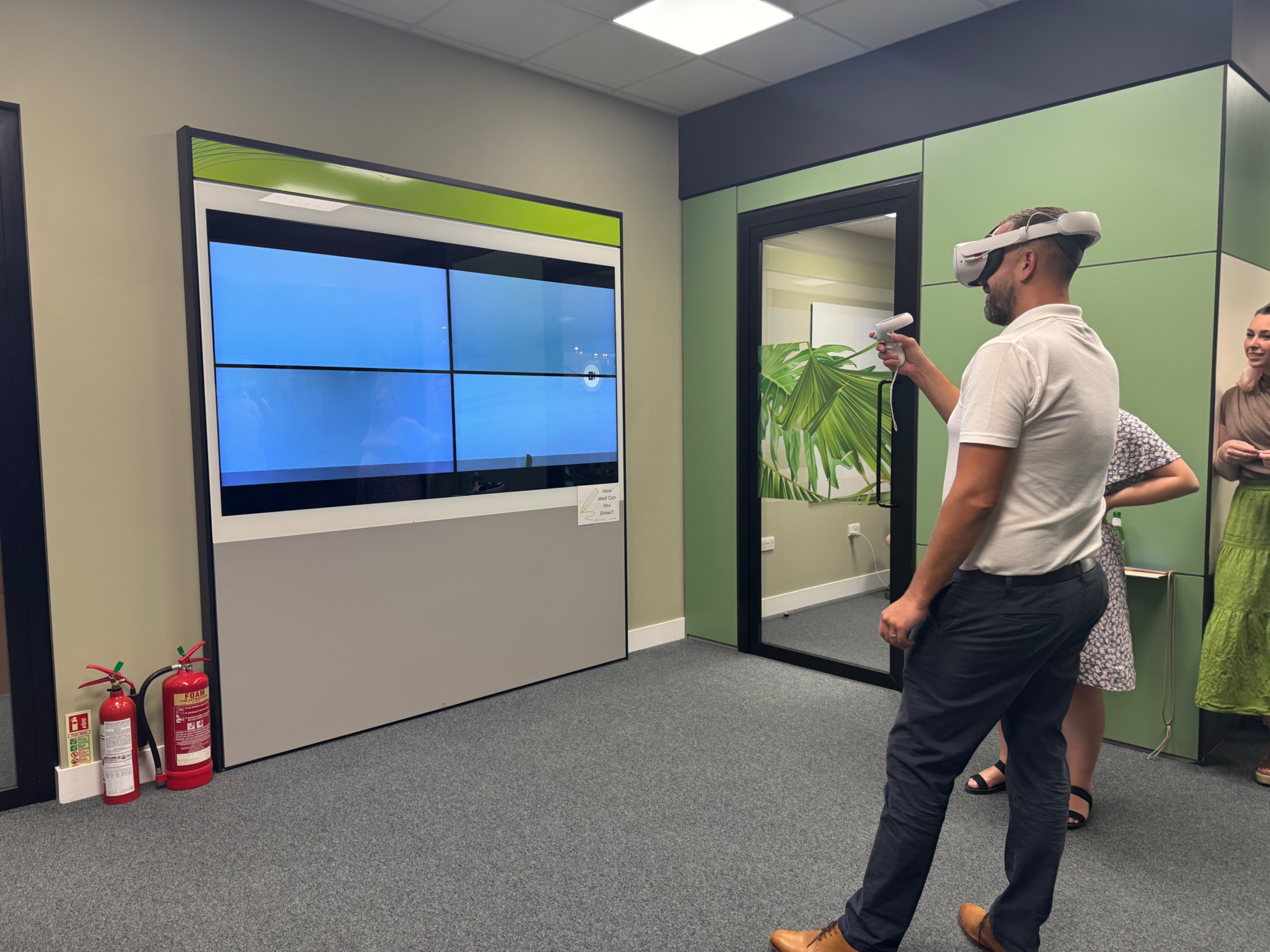
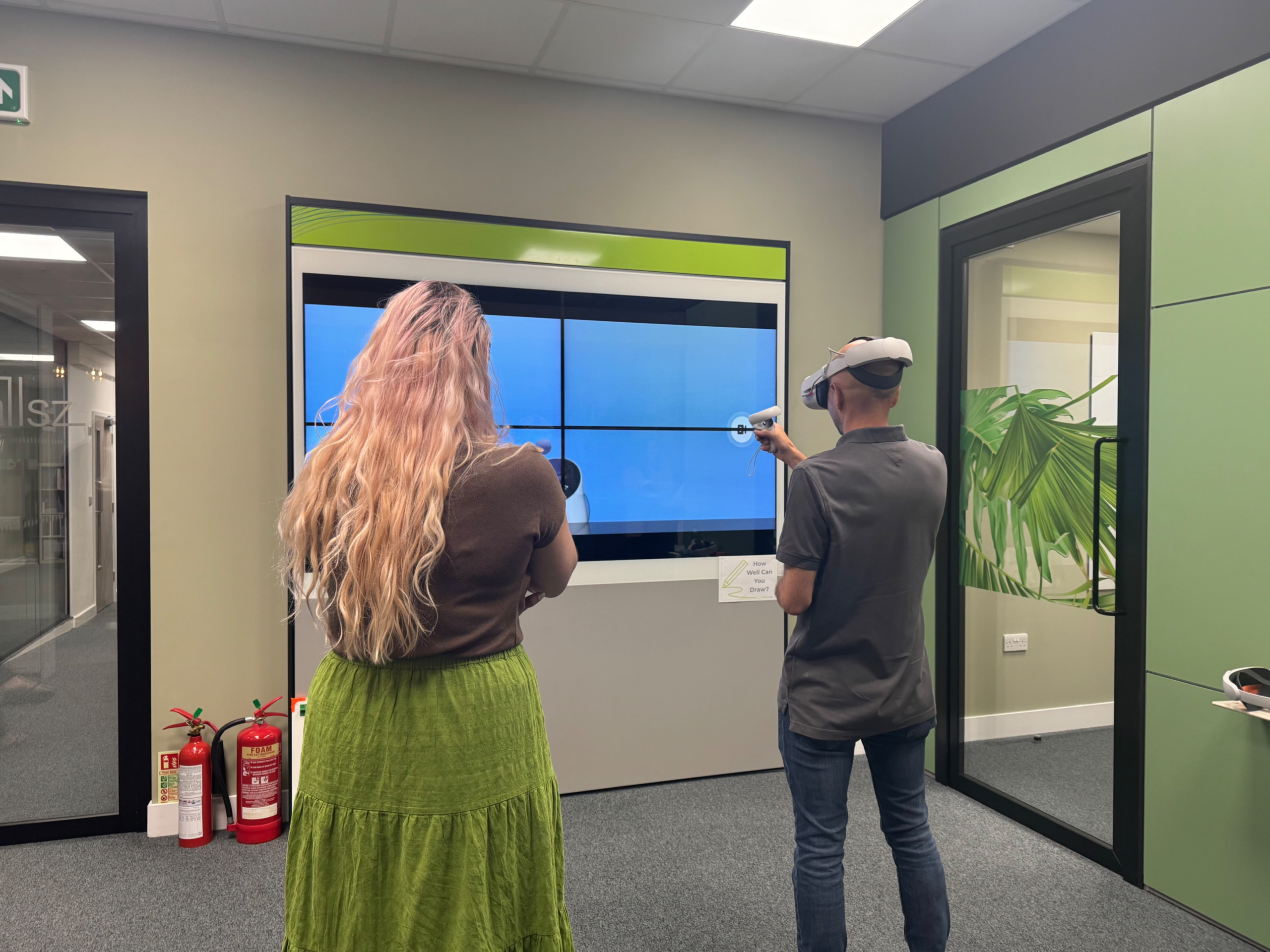
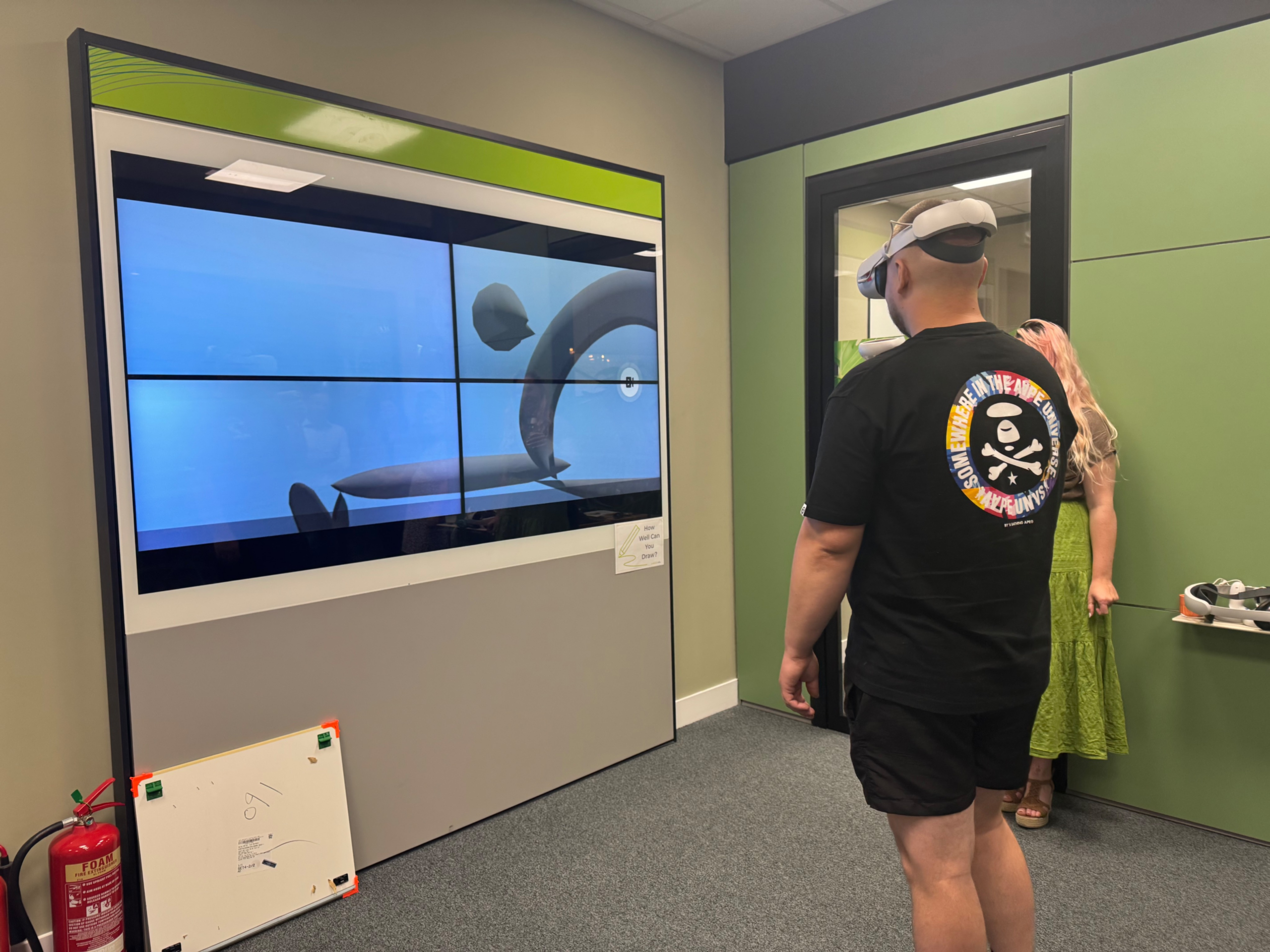
With ICE, we also use virtual reality to give clients immersive walkthroughs of their projects. This means we can make adjustments based on feedback and ensure the final product exceeds expectations. By 2025, we expect these technologies to be commonplace, making construction projects smoother and more efficient than ever before.
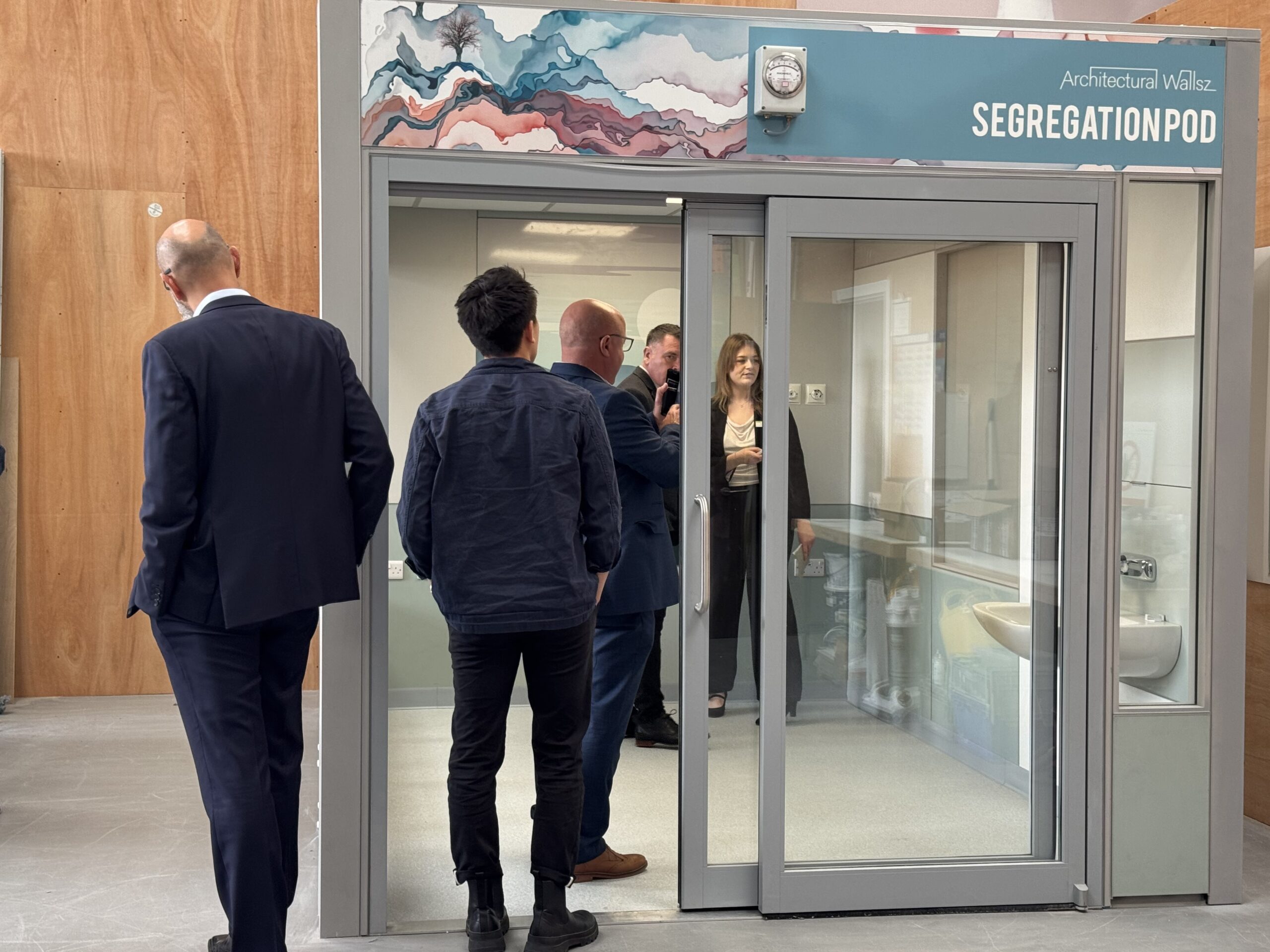
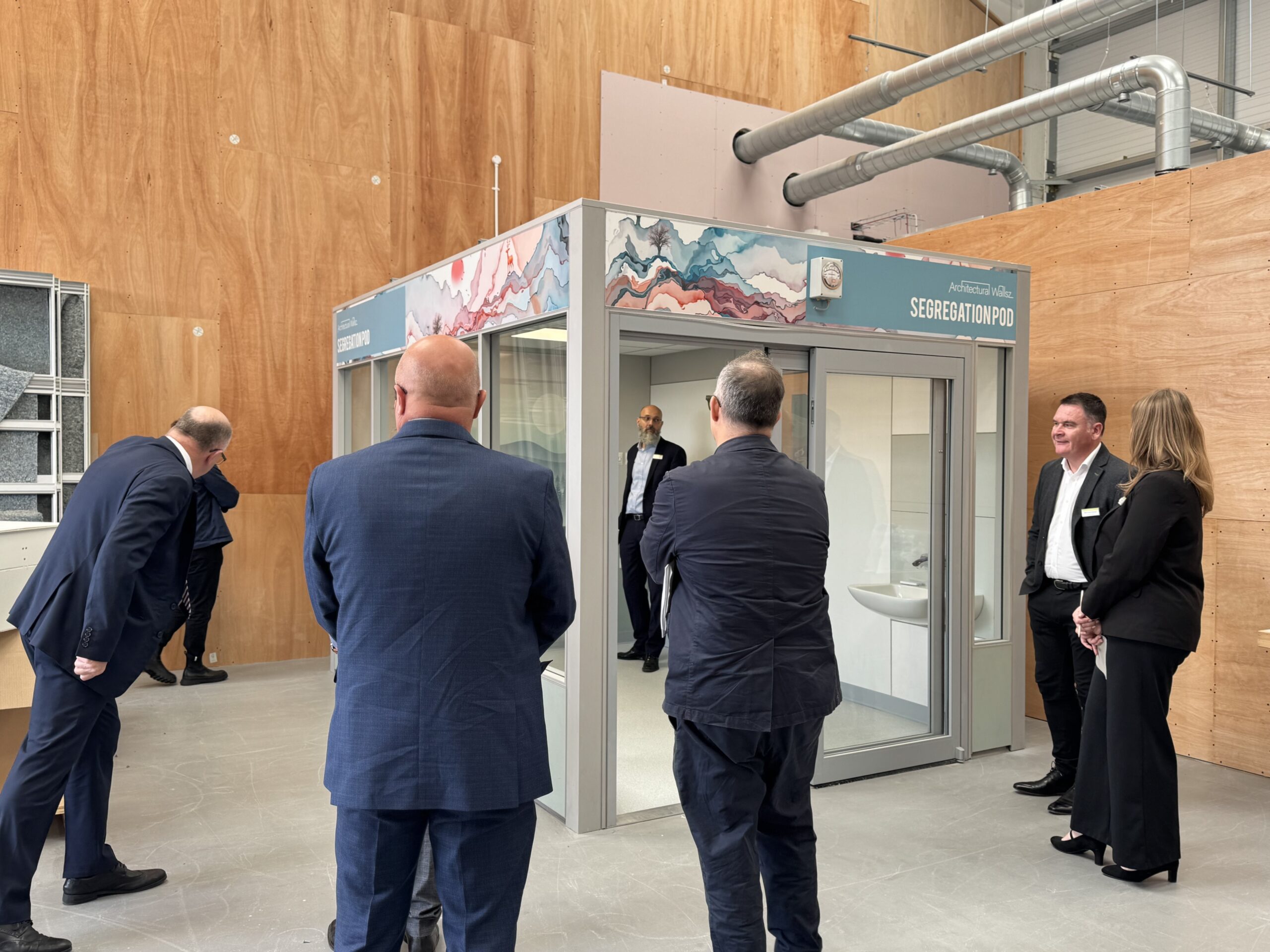
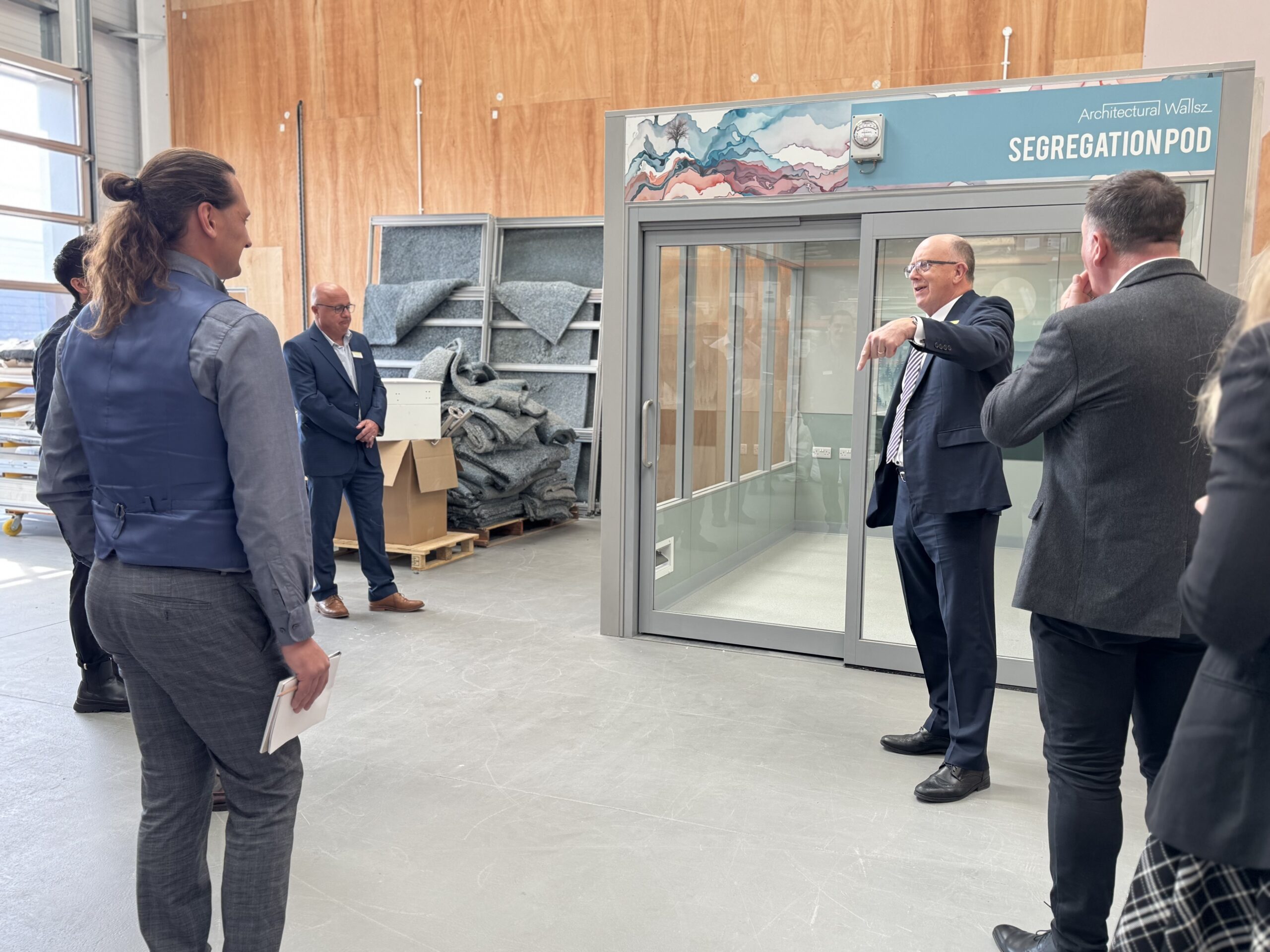
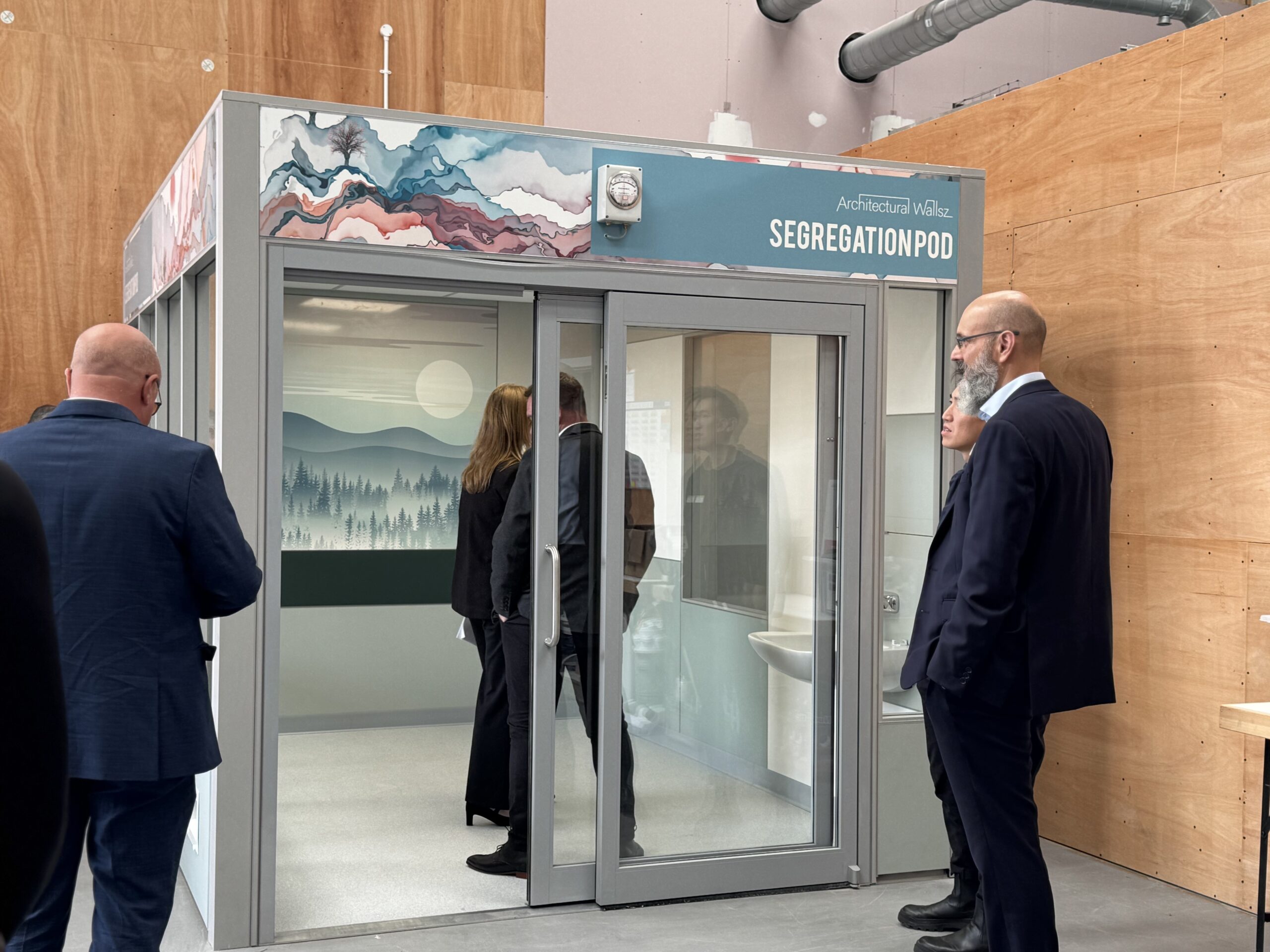
One of the most exciting 2025 predictions in healthcare is the move toward more flexible, single-use spaces, particularly private patient rooms. Modular construction has the unique ability to easily adapt to the evolving needs of healthcare facilities, creating tailored environments that prioritise comfort and infection control.
For example, our single-patient room designs have been incredibly well-received, offering healthcare providers the flexibility to adjust spaces for different patient needs while minimising construction costs and timelines.
Another significant change we’ll see by 2025 is the shift toward stronger, more resilient supply chains. With local production becoming a priority, modular construction will benefit from faster, more reliable delivery of materials.
For the healthcare industry, this will be especially important. Healthcare construction often involves tight timelines and delays can have serious consequences. By establishing local production facilities, we can reduce the risk of delays, lower our carbon footprint and better support our clients.
Looking to the future, one thing is certain: the future of modular construction is looking bright. Our 2025 predictions show the industry will continue to set new benchmarks of what’s possible.
As the world continues to change, so does the way we build. We’re excited to see where modular construction takes us and how we can continue to push the boundaries of what’s possible. If you’re ready to explore how modular construction can transform your space in 2025 and beyond, get in touch with us today.
As we look to the future of construction, one thing is clear: interior modular construction is set to play a huge role in shaping how we design, build and use spaces. By 2025, we can expect even more advancements that will revolutionise the industry, especially in healthcare.
At Architectural Wallsz, we’re already seeing some of these shifts and we’re excited to be part of the change. Let’s go a bit deeper into what we expect from the next few years and how these 2025 predictions are likely to impact the way we build.
Sustainability has always been a consideration in construction but our 2025 predictions show it will become even more central to the process. Eco-friendly materials like recycled steel, reclaimed wood and energy-efficient designs will be standard in modular and adaptable construction.
We’re already seeing this trend take shape with the projects we’ve worked on at Architectural Wallsz. For example, our healthcare consulting rooms increasingly use low-VOC materials and energy-efficient solutions, such as recycled MDF, aluminium and denim insulation, and FFC Certified veneers and MDF. These choices, in addition to being good for the planet, help clients save money in the long run by reducing energy costs.
It’s clear that in 2025 the pressure to meet sustainability goals will drive the construction industry to build more responsibly.
We believe off-site construction and prefabrication will dominate the industry in 2025. The ability to manufacture components in a controlled environment is a huge advantage, as it allows for better precision, less waste and quicker turnaround times.
A great example is our modular healthcare consulting rooms. These rooms are designed with specific client needs in mind and built off-site. This allows for swifter, more efficient manufacturing and installation. What’s more, the prefab model reduces disruptions, especially in healthcare spaces where downtime can have a significant impact on patient care.
The benefits are clear: prefabrication reduces on-site construction time, minimises disruptions to surrounding areas and produces cleaner, more efficient workspaces. By 2025, we expect prefab to be the go-to solution, particularly for healthcare spaces.
Technology is another area where 2025 predictions show huge growth. In modular construction, tools like Building Information Modeling (BIM), virtual reality and automation are already making waves. These technologies allow for more precise designs, real-time adjustments and better collaboration between architects, builders and clients, before any work on-site takes place.
We’ve always integrated these tools into our workflows. With our exclusive ICE system, we’re able to provide clients with highly detailed, accurate 3D models of their projects. This not only helps avoid costly mistakes but also provides clarity for clients, who can see their future spaces come to life virtually and make any changes without impacting the construction process.
With ICE, we also use virtual reality to give clients immersive walkthroughs of their projects. This means we can make adjustments based on feedback and ensure the final product exceeds expectations. By 2025, we expect these technologies to be commonplace, making construction projects smoother and more efficient than ever before.
One of the most exciting 2025 predictions in healthcare is the move toward more flexible, single-use spaces, particularly private patient rooms. Modular construction has the unique ability to easily adapt to the evolving needs of healthcare facilities, creating tailored environments that prioritise comfort and infection control.
For example, our single-patient room designs have been incredibly well-received, offering healthcare providers the flexibility to adjust spaces for different patient needs while minimising construction costs and timelines.
Another significant change we’ll see by 2025 is the shift toward stronger, more resilient supply chains. With local production becoming a priority, modular construction will benefit from faster, more reliable delivery of materials.
For the healthcare industry, this will be especially important. Healthcare construction often involves tight timelines and delays can have serious consequences. By establishing local production facilities, we can reduce the risk of delays, lower our carbon footprint and better support our clients.
Looking to the future, one thing is certain: the future of modular construction is looking bright. Our 2025 predictions show the industry will continue to set new benchmarks of what’s possible.
As the world continues to change, so does the way we build. We’re excited to see where modular construction takes us and how we can continue to push the boundaries of what’s possible. If you’re ready to explore how modular construction can transform your space in 2025 and beyond, get in touch with us today.











We often send out our newsletter with news and great offers. We will never disclose your data to third parties and you can unsubscribe from the newsletter at any time.
Unfortunately, we’re unable to offer free samples. As a retailer, we buy all magazines from their publishers at the regular trade price. However, you could contact the magazine’s publisher directly to ask if they can send you a free copy.
You can create a new account at the end of the order process or on the following page. You can view all of your orders and subscriptions in your customer account. You can also change your addresses and your password.
No, you don’t have to create an account. But there are a few advantages if you create an account.
You never have to enter your billing and shipping address again
Find all of your orders, subscriptions and addresses in your account
Download invoices of your orders
No, we don’t have a physical store location at the moment. We accept only orders through our online shop and we’re shipping all orders with the Swiss Post Service. Please visit our shipping section for more details.
From time to time you will find us at design fairs and popup markets in Switzerland. Subscribe to our newsletter and you’ll receive the latest news.