
Infection control in consulting rooms plays a critical role in keeping both patients and staff safe.
While technological advancements and equipment often take center stage, the design of the space, from the materials used to the room layout, does have a deep impact on infection prevention.
This blog explores how infection control in consulting rooms can be improved by making simple, effective design choices, such as selecting the right materials, layout flexibility and easy-to-clean surfaces.
The selection of materials is a key aspect to achieve the desired infection control in consulting rooms. Choosing the right surfaces can make the cleaning process easier and more efficient, reducing the spread of harmful pathogens.
Non-porous surfaces are essential for preventing the absorption of bacteria and viruses, making them much easier to clean and disinfect. By using high-quality materials such as antibacterial coatings, modular panels and durable finishes, healthcare environments can maintain a higher standard of hygiene.
Additionally, materials must be resilient enough to withstand frequent cleaning with strong disinfectants without deteriorating, all while maintaining their functionality and aesthetic appeal. Choosing the right materials ensures hygiene and also extends the life cycle of the room, making the space more cost-effective and sustainable in the long term.
The layout and design of the room must facilitate this process by minimising hard-to-reach areas and reducing the presence of surfaces that are difficult to clean.
Key features such as seamless wall panels and floors, integrated hand sanitisation stations and touchless systems for doors and sinks are an essential part in reducing the spread of pathogens. These design choices eliminate unnecessary contact points, making it easier to maintain a clean and safe environment.
The true value of modular design in healthcare environments lies in its capacity for dynamic reconfiguration. Modular wall systems offer healthcare facilities unprecedented flexibility to rapidly adapt spaces to changing clinical needs and operational requirements.
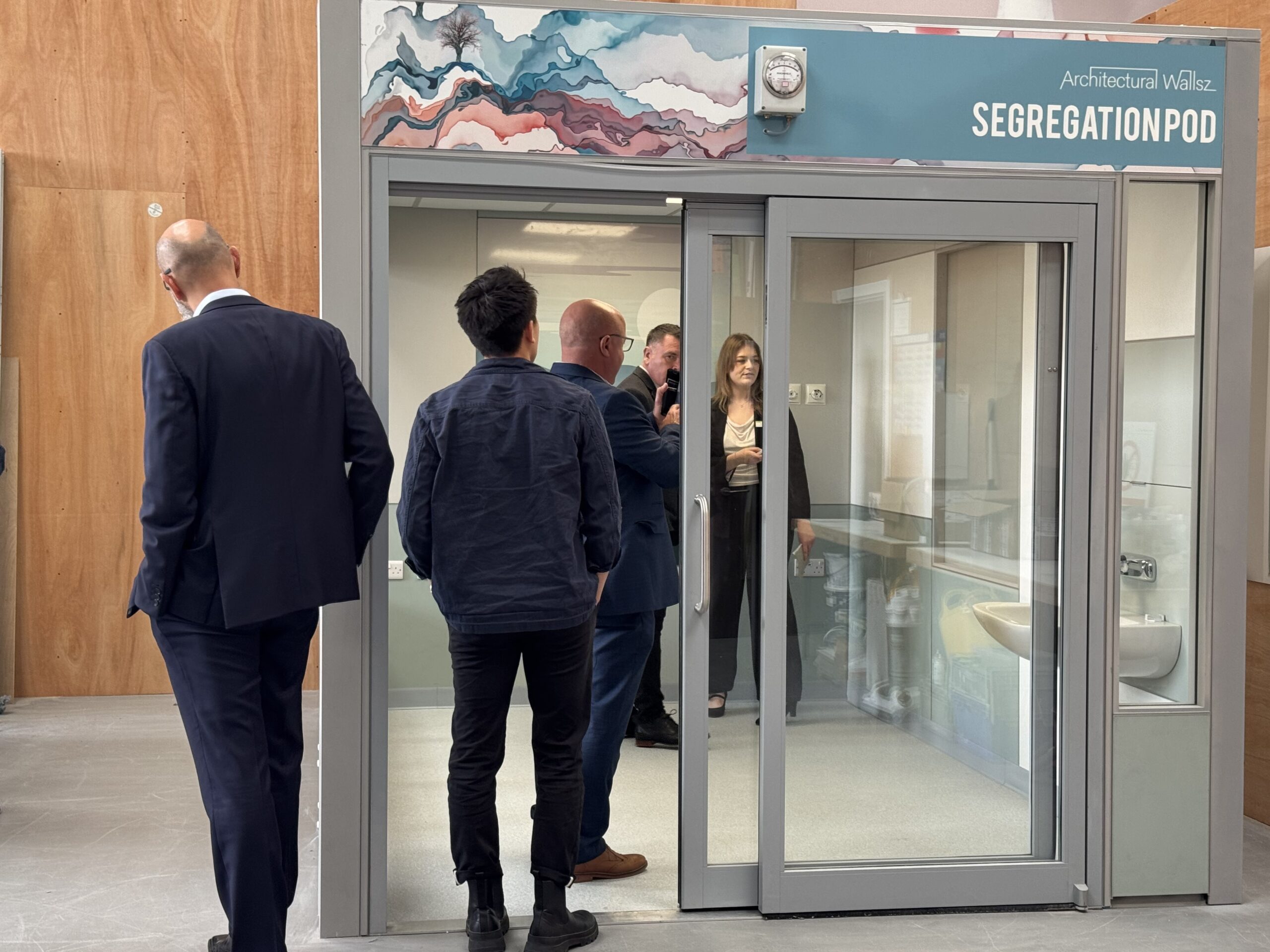
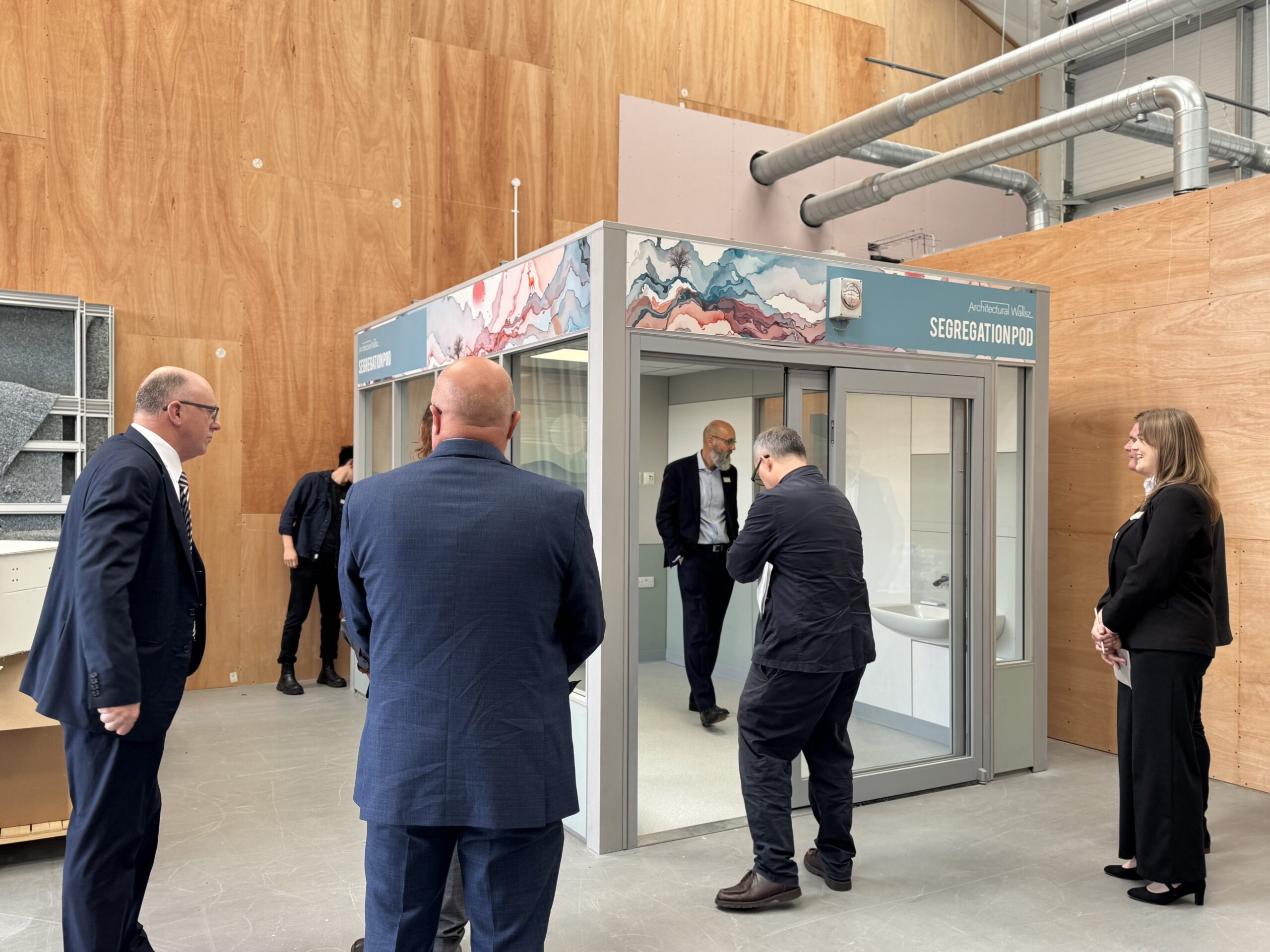
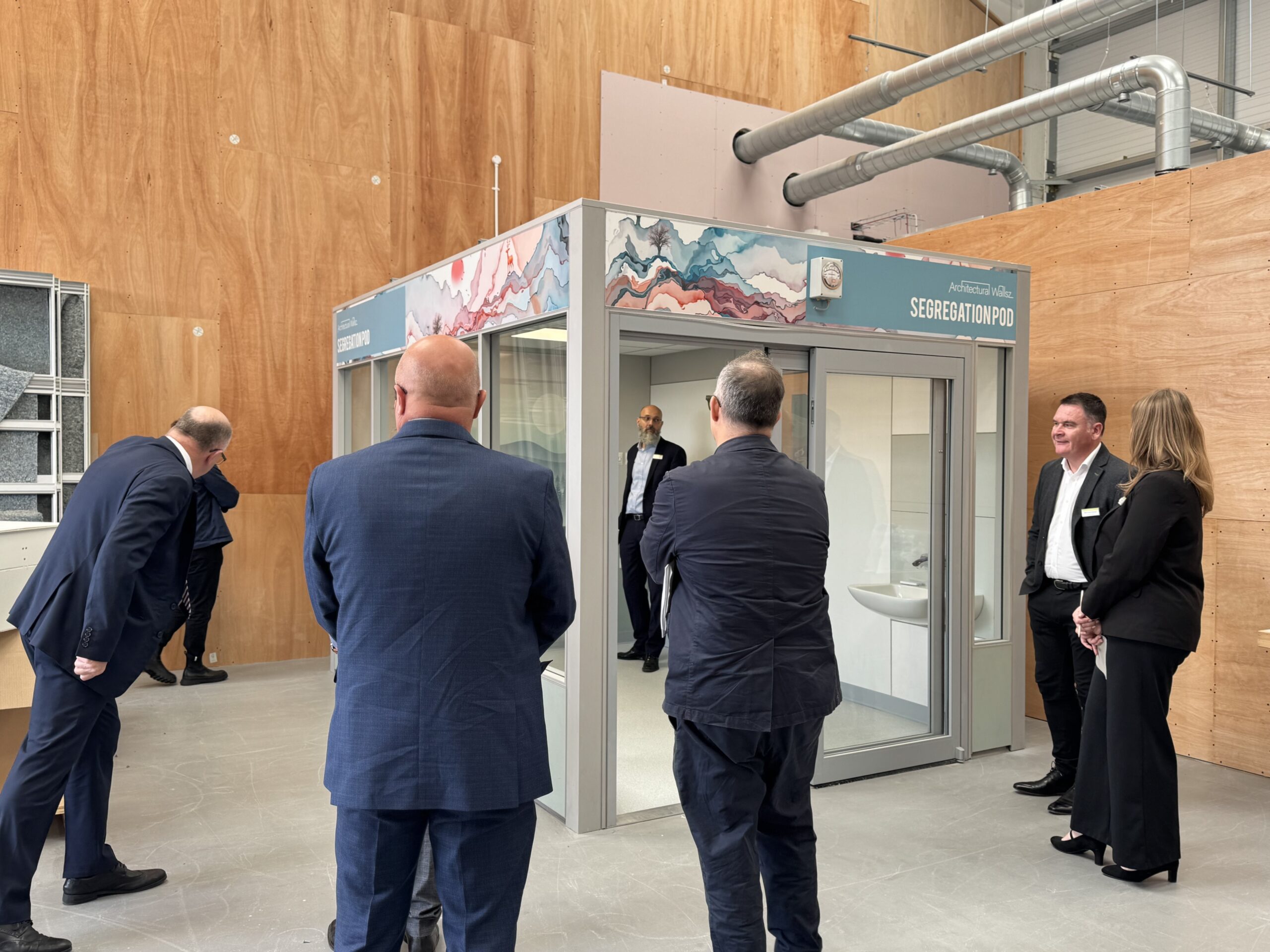
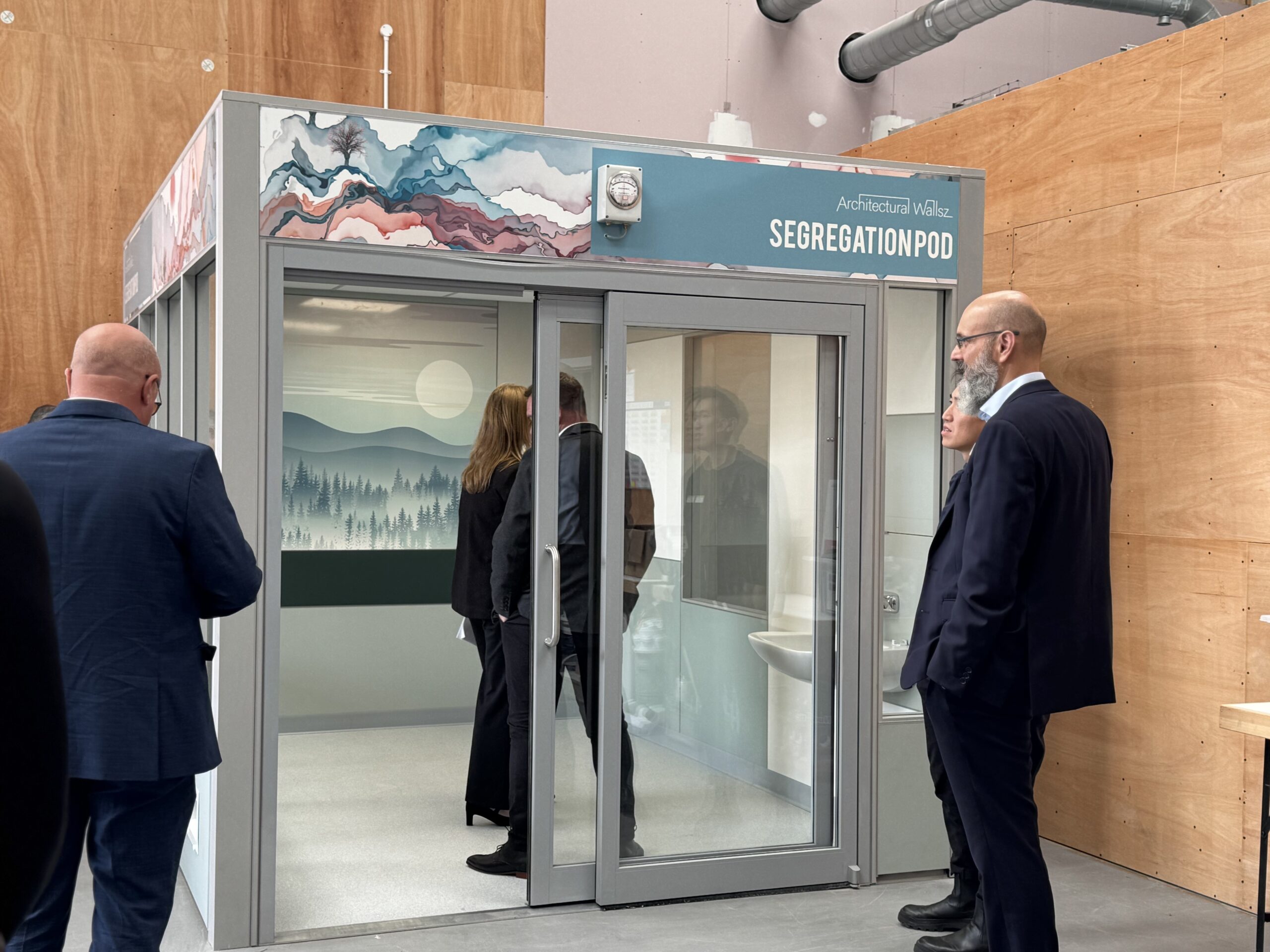
These innovative solutions enable healthcare providers to transform consultation rooms into isolation zones, clinical support spaces or alternative treatment areas without extensive renovations. During outbreak scenarios or periods of heightened infection risk, this adaptability becomes crucial. Facilities can seamlessly repurpose existing areas to meet evolving healthcare demands, ensuring optimal response to changing operational requirements.
By design, these systems support the long-term adaptability of healthcare environments and allows these spaces to evolve alongside changing medical practices, technology and patient care strategies.
Cross-contamination is an ongoing concern, particularly in consulting rooms where patient and staff interaction are more frequent.
A well-designed room should have clearly defined zones for high-risk activities, such as patient examination and low-risk areas where contact with infectious materials is less likely.
By incorporating these considerations into the design of consulting rooms, healthcare providers can better control the movement of pathogens and maintain a safer environment for both patients and staff.
Infection control in consulting rooms is about designing spaces and choosing materials and systems with infection prevention in mind, but also ensuring we support healthcare professionals in providing the highest quality care.
We understand the importance of this and through our intentional design approach, we offer healthcare spaces that not only bring a sleek design but also function as a key line of defence in infection control. After all, keeping patients safe and maintaining a clean, efficient environment should always be a top priority.
Infection control in consulting rooms plays a critical role in keeping both patients and staff safe.
While technological advancements and equipment often take center stage, the design of the space, from the materials used to the room layout, does have a deep impact on infection prevention.
This blog explores how infection control in consulting rooms can be improved by making simple, effective design choices, such as selecting the right materials, layout flexibility and easy-to-clean surfaces.
The selection of materials is a key aspect to achieve the desired infection control in consulting rooms. Choosing the right surfaces can make the cleaning process easier and more efficient, reducing the spread of harmful pathogens.
Non-porous surfaces are essential for preventing the absorption of bacteria and viruses, making them much easier to clean and disinfect. By using high-quality materials such as antibacterial coatings, modular panels and durable finishes, healthcare environments can maintain a higher standard of hygiene.
Additionally, materials must be resilient enough to withstand frequent cleaning with strong disinfectants without deteriorating, all while maintaining their functionality and aesthetic appeal. Choosing the right materials ensures hygiene and also extends the life cycle of the room, making the space more cost-effective and sustainable in the long term.
The layout and design of the room must facilitate this process by minimising hard-to-reach areas and reducing the presence of surfaces that are difficult to clean.
Key features such as seamless wall panels and floors, integrated hand sanitisation stations and touchless systems for doors and sinks are an essential part in reducing the spread of pathogens. These design choices eliminate unnecessary contact points, making it easier to maintain a clean and safe environment.
The true value of modular design in healthcare environments lies in its capacity for dynamic reconfiguration. Modular wall systems offer healthcare facilities unprecedented flexibility to rapidly adapt spaces to changing clinical needs and operational requirements.
These innovative solutions enable healthcare providers to transform consultation rooms into isolation zones, clinical support spaces or alternative treatment areas without extensive renovations. During outbreak scenarios or periods of heightened infection risk, this adaptability becomes crucial. Facilities can seamlessly repurpose existing areas to meet evolving healthcare demands, ensuring optimal response to changing operational requirements.
By design, these systems support the long-term adaptability of healthcare environments and allows these spaces to evolve alongside changing medical practices, technology and patient care strategies.
Cross-contamination is an ongoing concern, particularly in consulting rooms where patient and staff interaction are more frequent.
A well-designed room should have clearly defined zones for high-risk activities, such as patient examination and low-risk areas where contact with infectious materials is less likely.
By incorporating these considerations into the design of consulting rooms, healthcare providers can better control the movement of pathogens and maintain a safer environment for both patients and staff.
Infection control in consulting rooms is about designing spaces and choosing materials and systems with infection prevention in mind, but also ensuring we support healthcare professionals in providing the highest quality care.
We understand the importance of this and through our intentional design approach, we offer healthcare spaces that not only bring a sleek design but also function as a key line of defence in infection control. After all, keeping patients safe and maintaining a clean, efficient environment should always be a top priority.































We often send out our newsletter with news and great offers. We will never disclose your data to third parties and you can unsubscribe from the newsletter at any time.
Unfortunately, we’re unable to offer free samples. As a retailer, we buy all magazines from their publishers at the regular trade price. However, you could contact the magazine’s publisher directly to ask if they can send you a free copy.
You can create a new account at the end of the order process or on the following page. You can view all of your orders and subscriptions in your customer account. You can also change your addresses and your password.
No, you don’t have to create an account. But there are a few advantages if you create an account.
You never have to enter your billing and shipping address again
Find all of your orders, subscriptions and addresses in your account
Download invoices of your orders
No, we don’t have a physical store location at the moment. We accept only orders through our online shop and we’re shipping all orders with the Swiss Post Service. Please visit our shipping section for more details.
From time to time you will find us at design fairs and popup markets in Switzerland. Subscribe to our newsletter and you’ll receive the latest news.