
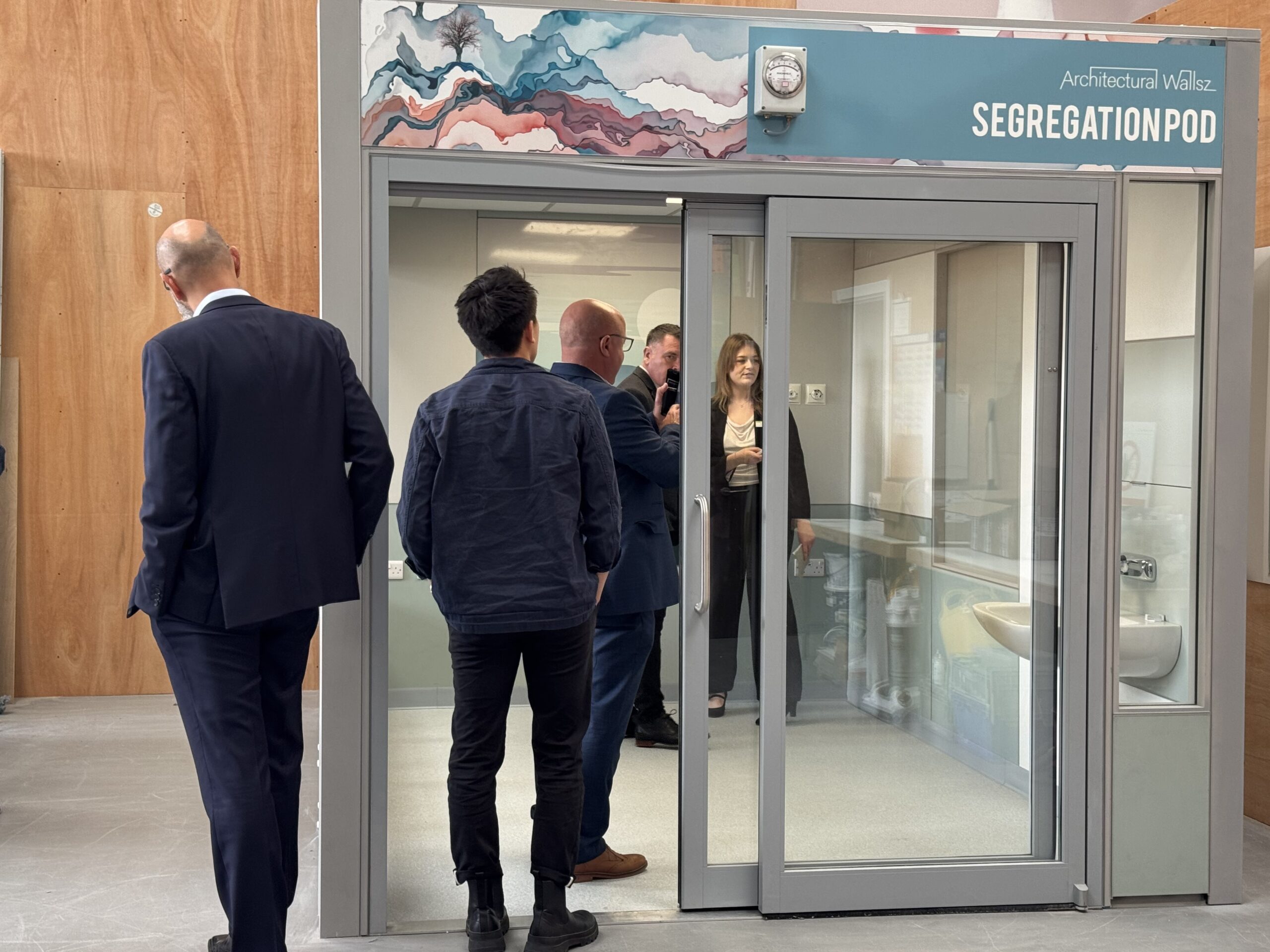
The benefits of Isolation Rooms are becoming more evident as hospitals face increasing pressure to control infections, protect high-risk patients and manage growing healthcare demands. Having the right spaces in place can make a difference.
Designed to contain infections and provide a controlled environment for treatment, Isolation Rooms help hospitals operate safely and efficiently. They ensure staff can deliver care without putting themselves and others at risk to help prevent the spread of diseases and infections within hospital settings.
Let’s take a closer look at the benefits of isolation rooms and how they support healthcare providers.
Infection control in hospitals requires having the right spaces to contain, treat and manage high-risk cases without disrupting overall hospital operations.
One challenge hospitals often face is preventing unnecessary movement of infectious or immunosuppressed patients. Without dedicated Isolation Rooms, these patients often need to be relocated to quieter areas in the hospital, or risk the safety of themselves or others any time they need to use the restroom. With designated isolation spaces, hospitals can contain infections and airborne diseases at the source. Reducing the need for emergency relocations or last-minute adaptations in general wards.
Isolation Rooms also improve infection control protocols by ensuring staff can follow standardised procedures in an environment designed for containment. This reduces reliance on temporary isolation measures that lack proper ventilation which require additional deep cleaning and put staff at risk.
As NHS infection control standards evolve, hospitals need solutions beyond temporary fixes. Well-designed Isolation Rooms provide long-term protection and ensure hospitals can meet stricter regulations while maintaining patient safety.
Patients recovering from surgery, receiving chemotherapy or undergoing organ transplants are at high risk of infection. Exposure to airborne pathogens or multi-drug-resistant bacteria can complicate recovery and increase hospital stays.
By providing a controlled, sterile environment, Isolation Rooms reduce exposure to hospital-acquired infections (HAIs), which remain a challenge for the NHS. Research from Public Health England highlights that HAIs account for longer patient stays and increased care costs.
Having dedicated Isolation Rooms allows hospitals to protect high-risk patients without limiting capacity in general wards, which means those who need extra protection receive care in an optimised environment.
Another of the numerous benefits of Isolation Rooms is that they also help hospitals operate more efficiently by reducing disruptions to general wards.
With dedicated isolation spaces:
For hospitals struggling with capacity issues, having Isolation Rooms reduces the risk of transmission and saves time which would have been spent coordinating transfers and deep cleaning other wards. Rather than isolating patients across multiple departments, containment remains centralised, making infection control processes standardised and easier to manage.
Investing in Isolation Rooms can significantly reduce the financial burden of hospital-acquired infections. NHS reports highlight that HAIs increase hospital stays and treatment costs, placing additional strain on resources.
By reducing the risk of infections spreading:
Beyond immediate cost savings, long-term efficiency improves as hospitals can prevent outbreaks from escalating, reducing unexpected financial pressures.
With increasing healthcare demands and the potential threat of future pandemics, hospitals need infrastructure that can adapt quickly without major disruption.
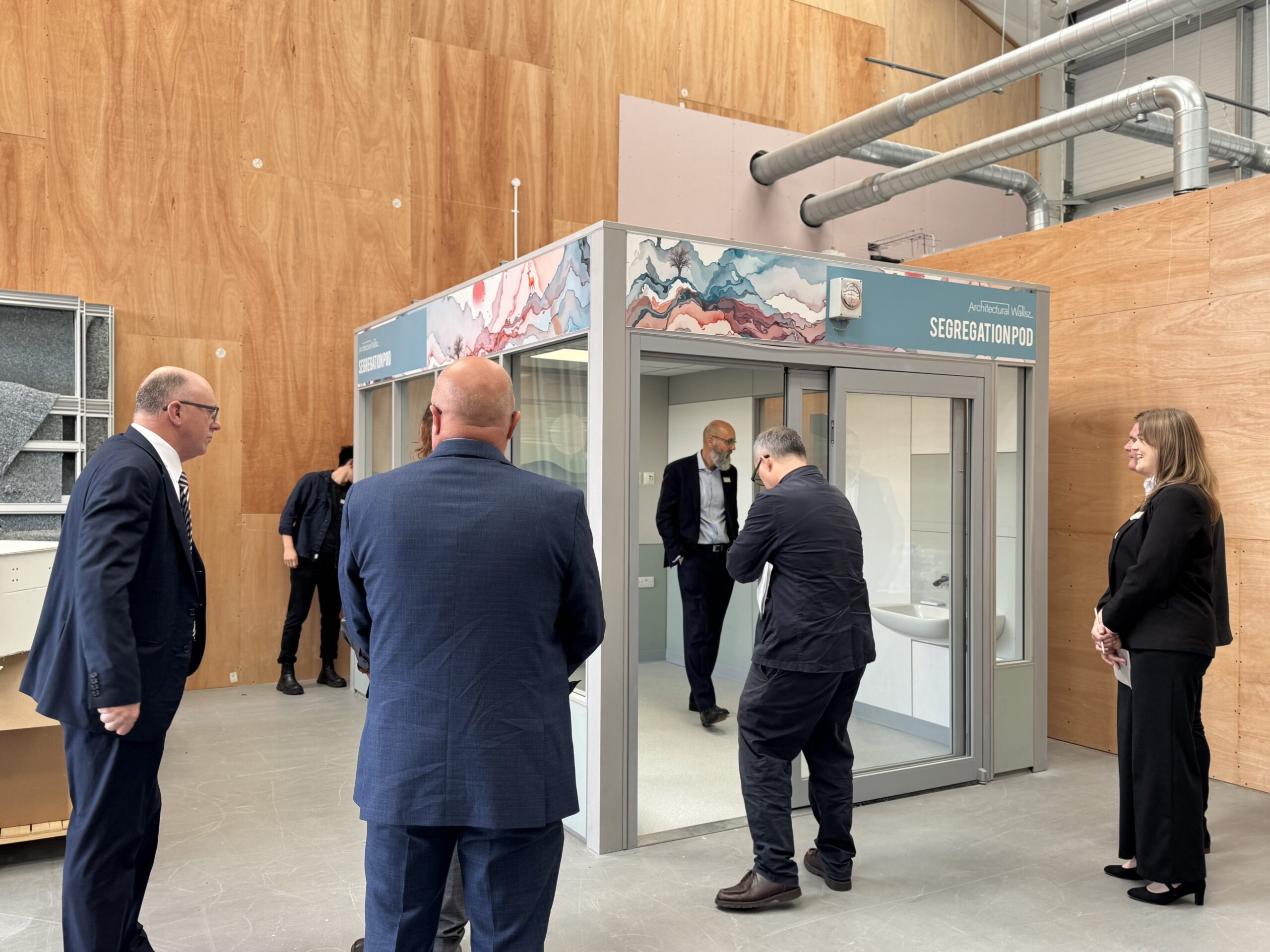
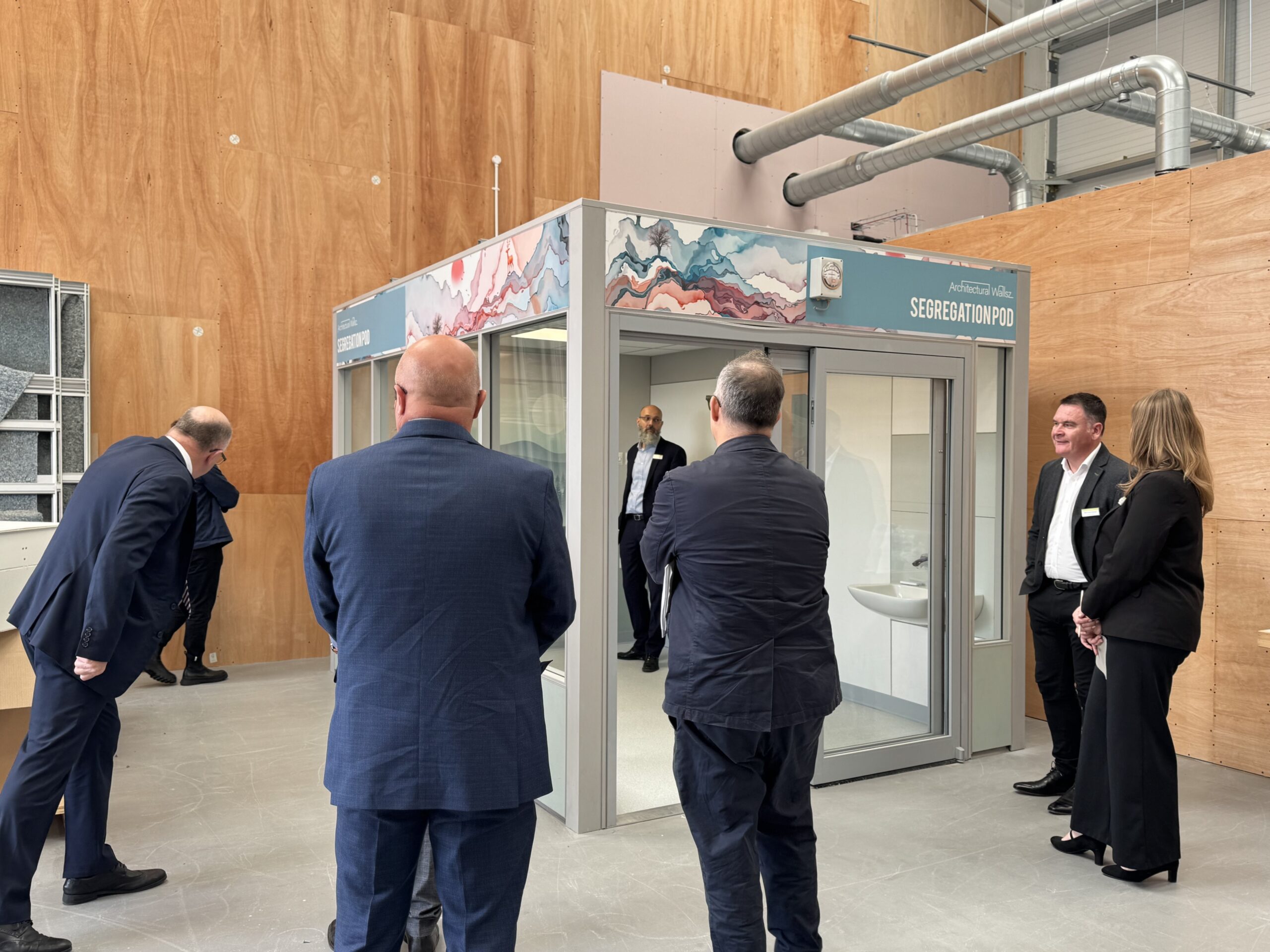
Modular Isolation Rooms offer a scalable and long-term solution, allowing hospitals to:
The benefits of Isolation Rooms go beyond infection control. They improve patient safety, enhance hospital efficiency, reduce operational costs and provide scalable solutions for the future.
As the NHS continues to strengthen infection control measures, the demand for well-designed Isolation Rooms will only increase. Ensuring hospitals have dedicated spaces to contain infections, protect vulnerable patients and maintain efficient operations is a need that cannot be overlooked.
By investing in Isolation Rooms, healthcare providers create safer environments, reduce the burden of hospital-acquired infections and ensure they are prepared for future healthcare challenges.
The benefits of Isolation Rooms are becoming more evident as hospitals face increasing pressure to control infections, protect high-risk patients and manage growing healthcare demands. Having the right spaces in place can make a difference.
Designed to contain infections and provide a controlled environment for treatment, Isolation Rooms help hospitals operate safely and efficiently. They ensure staff can deliver care without putting themselves and others at risk to help prevent the spread of diseases and infections within hospital settings.
Let’s take a closer look at the benefits of isolation rooms and how they support healthcare providers.
Infection control in hospitals requires having the right spaces to contain, treat and manage high-risk cases without disrupting overall hospital operations.
One challenge hospitals often face is preventing unnecessary movement of infectious or immunosuppressed patients. Without dedicated Isolation Rooms, these patients often need to be relocated to quieter areas in the hospital, or risk the safety of themselves or others any time they need to use the restroom. With designated isolation spaces, hospitals can contain infections and airborne diseases at the source. Reducing the need for emergency relocations or last-minute adaptations in general wards.
Isolation Rooms also improve infection control protocols by ensuring staff can follow standardised procedures in an environment designed for containment. This reduces reliance on temporary isolation measures that lack proper ventilation which require additional deep cleaning and put staff at risk.
As NHS infection control standards evolve, hospitals need solutions beyond temporary fixes. Well-designed Isolation Rooms provide long-term protection and ensure hospitals can meet stricter regulations while maintaining patient safety.
Patients recovering from surgery, receiving chemotherapy or undergoing organ transplants are at high risk of infection. Exposure to airborne pathogens or multi-drug-resistant bacteria can complicate recovery and increase hospital stays.
By providing a controlled, sterile environment, Isolation Rooms reduce exposure to hospital-acquired infections (HAIs), which remain a challenge for the NHS. Research from Public Health England highlights that HAIs account for longer patient stays and increased care costs.
Having dedicated Isolation Rooms allows hospitals to protect high-risk patients without limiting capacity in general wards, which means those who need extra protection receive care in an optimised environment.
Another of the numerous benefits of Isolation Rooms is that they also help hospitals operate more efficiently by reducing disruptions to general wards.
With dedicated isolation spaces:
For hospitals struggling with capacity issues, having Isolation Rooms reduces the risk of transmission and saves time which would have been spent coordinating transfers and deep cleaning other wards. Rather than isolating patients across multiple departments, containment remains centralised, making infection control processes standardised and easier to manage.
Investing in Isolation Rooms can significantly reduce the financial burden of hospital-acquired infections. NHS reports highlight that HAIs increase hospital stays and treatment costs, placing additional strain on resources.
By reducing the risk of infections spreading:
Beyond immediate cost savings, long-term efficiency improves as hospitals can prevent outbreaks from escalating, reducing unexpected financial pressures.
With increasing healthcare demands and the potential threat of future pandemics, hospitals need infrastructure that can adapt quickly without major disruption.
Modular Isolation Rooms offer a scalable and long-term solution, allowing hospitals to:
The benefits of Isolation Rooms go beyond infection control. They improve patient safety, enhance hospital efficiency, reduce operational costs and provide scalable solutions for the future.
As the NHS continues to strengthen infection control measures, the demand for well-designed Isolation Rooms will only increase. Ensuring hospitals have dedicated spaces to contain infections, protect vulnerable patients and maintain efficient operations is a need that cannot be overlooked.
By investing in Isolation Rooms, healthcare providers create safer environments, reduce the burden of hospital-acquired infections and ensure they are prepared for future healthcare challenges.















































We often send out our newsletter with news and great offers. We will never disclose your data to third parties and you can unsubscribe from the newsletter at any time.
Unfortunately, we’re unable to offer free samples. As a retailer, we buy all magazines from their publishers at the regular trade price. However, you could contact the magazine’s publisher directly to ask if they can send you a free copy.
You can create a new account at the end of the order process or on the following page. You can view all of your orders and subscriptions in your customer account. You can also change your addresses and your password.
No, you don’t have to create an account. But there are a few advantages if you create an account.
You never have to enter your billing and shipping address again
Find all of your orders, subscriptions and addresses in your account
Download invoices of your orders
No, we don’t have a physical store location at the moment. We accept only orders through our online shop and we’re shipping all orders with the Swiss Post Service. Please visit our shipping section for more details.
From time to time you will find us at design fairs and popup markets in Switzerland. Subscribe to our newsletter and you’ll receive the latest news.