
Isolation rooms play a key role in the safety and efficiency of healthcare facilities, but when are isolation rooms needed in hospitals?
Hospitals rely on isolation rooms in a variety of situations, including to contain airborne pathogens and to protect staff, patients and immunocompromised individuals. We will explore the different scenarios where isolation rooms are needed, how they help manage infection risks and why modular isolation rooms are the future of hospital design.
In the healthcare industry, infection control is always a high priority and isolation rooms, designed in coordination with Health Building Note (HBN) and Health Technical Memoranda (HTM) guidance, are one of the most effective tools to achieve this. Hospitals must comply with infection control standards set by governing bodies such as the NHS and Public Health England. These regulations often mandate the presence of isolation rooms for patients with contagious diseases, as well as for immunocompromised individuals who are more susceptible to infections.
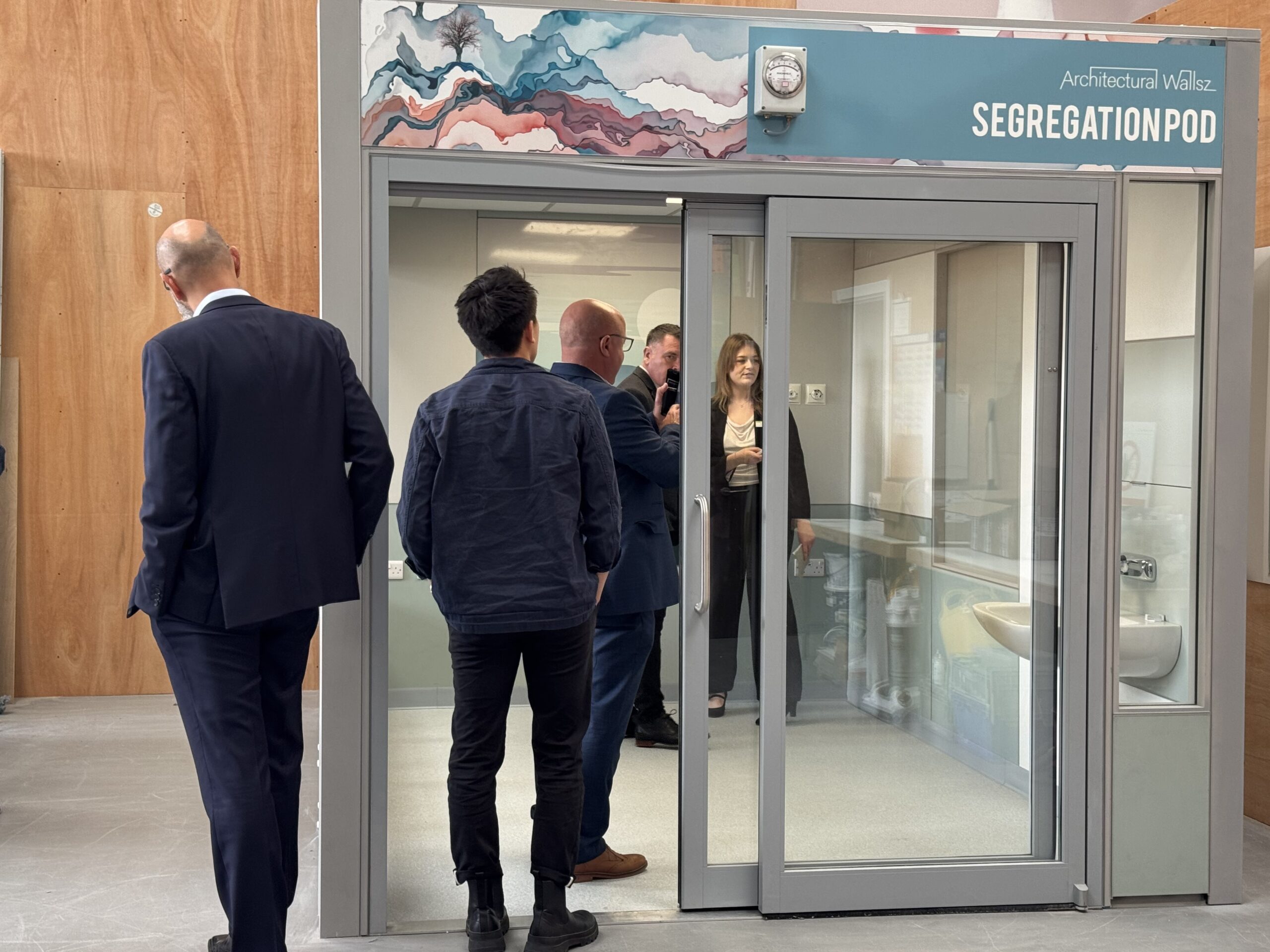
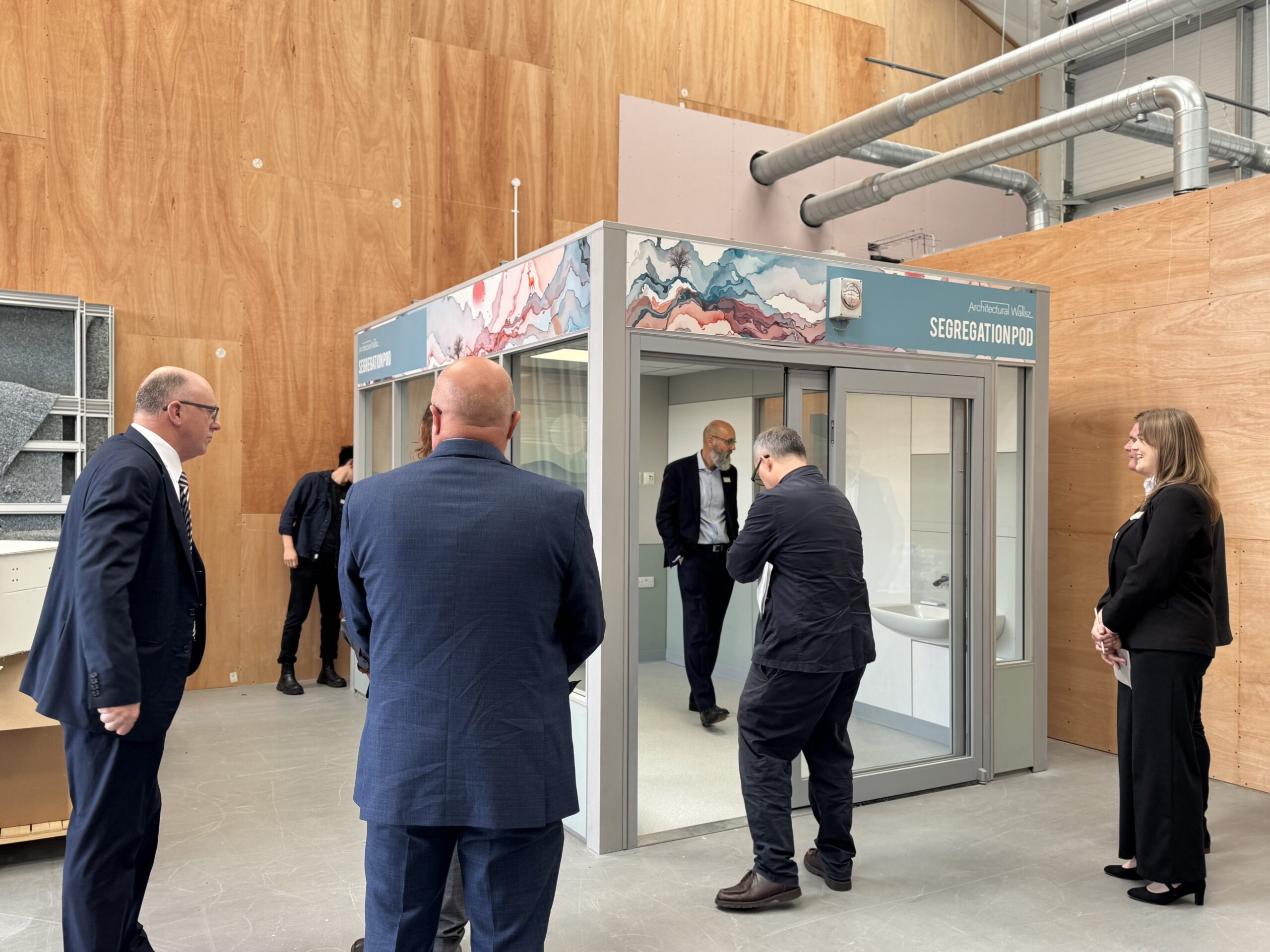
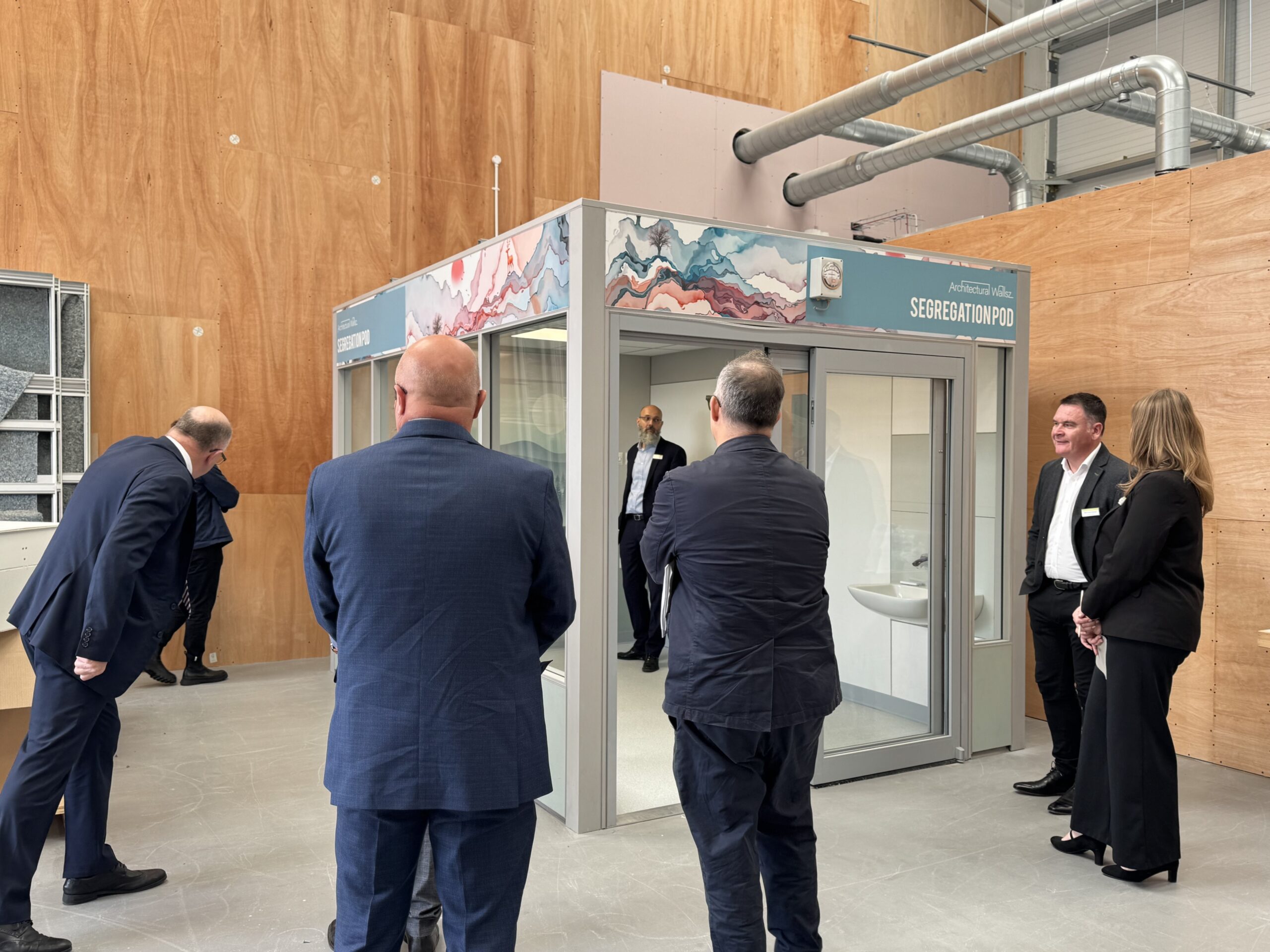
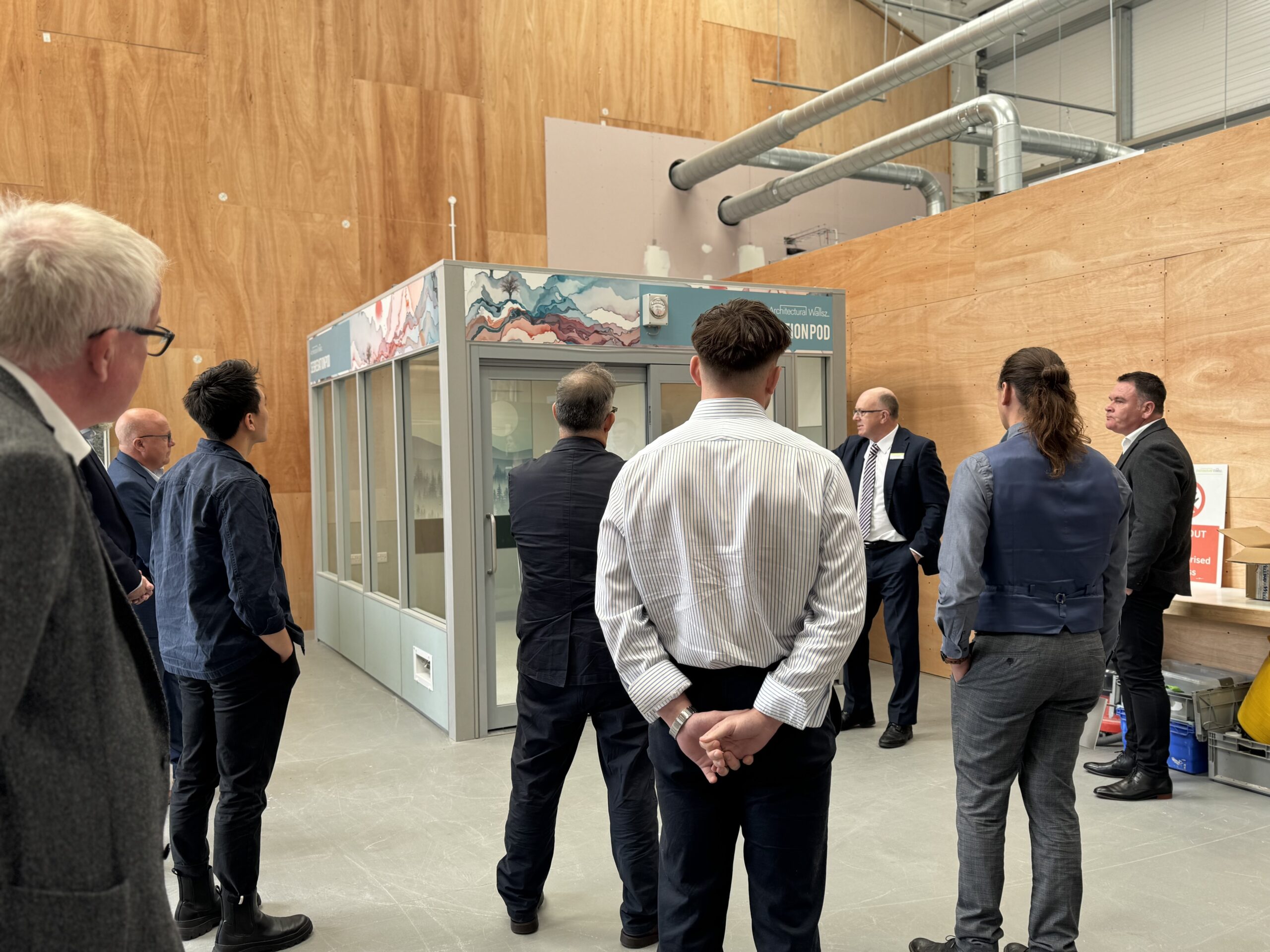
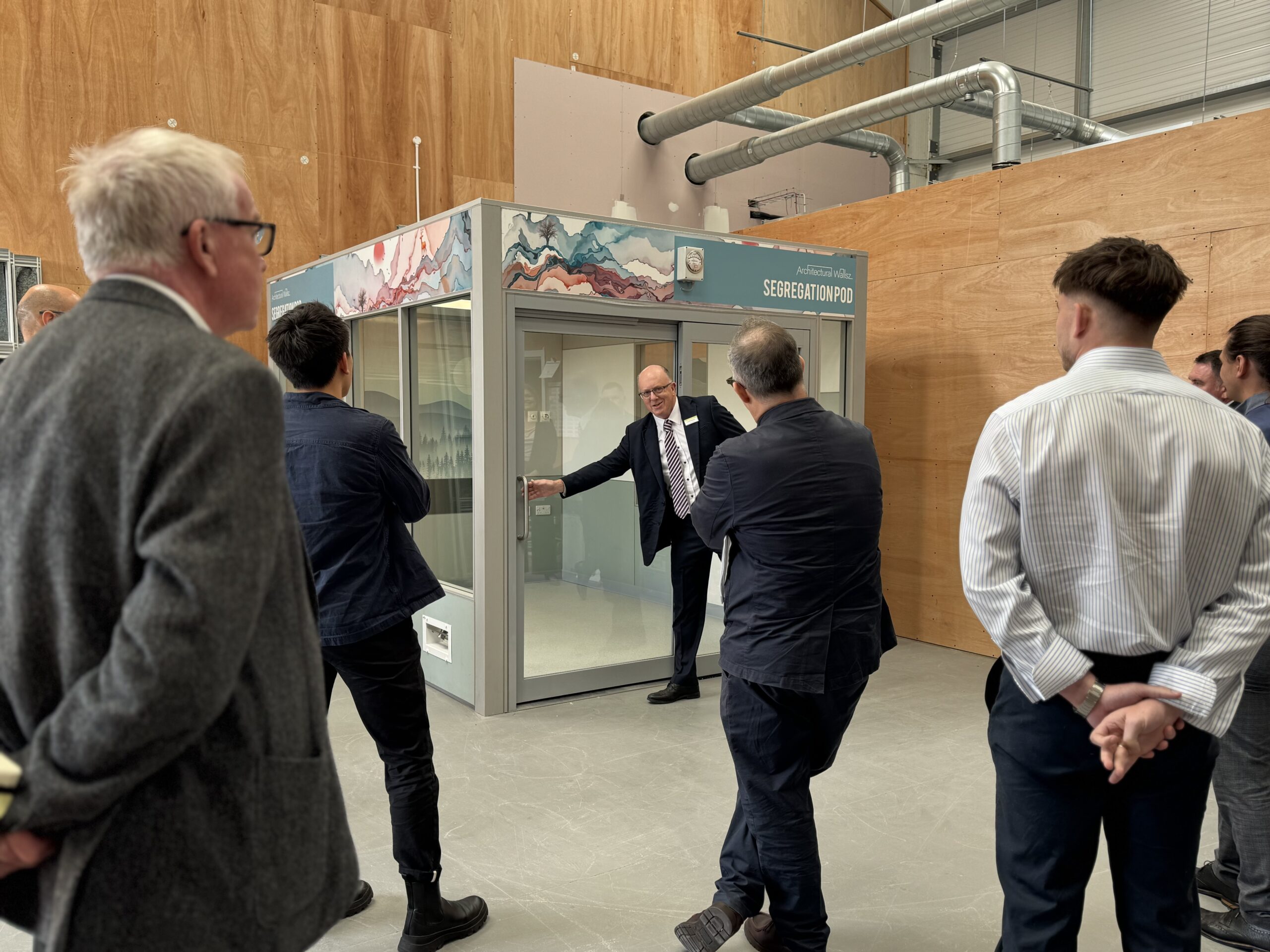
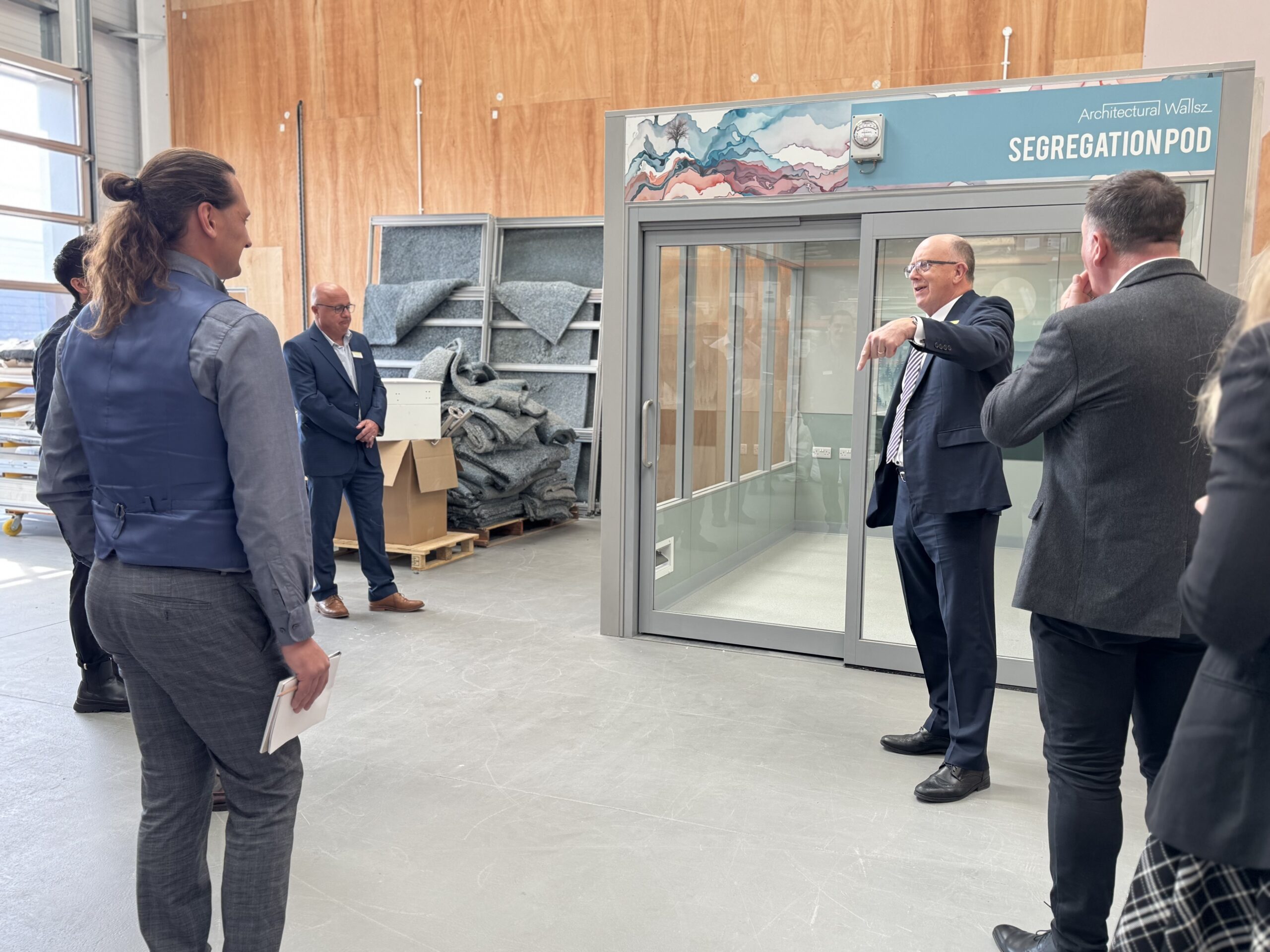
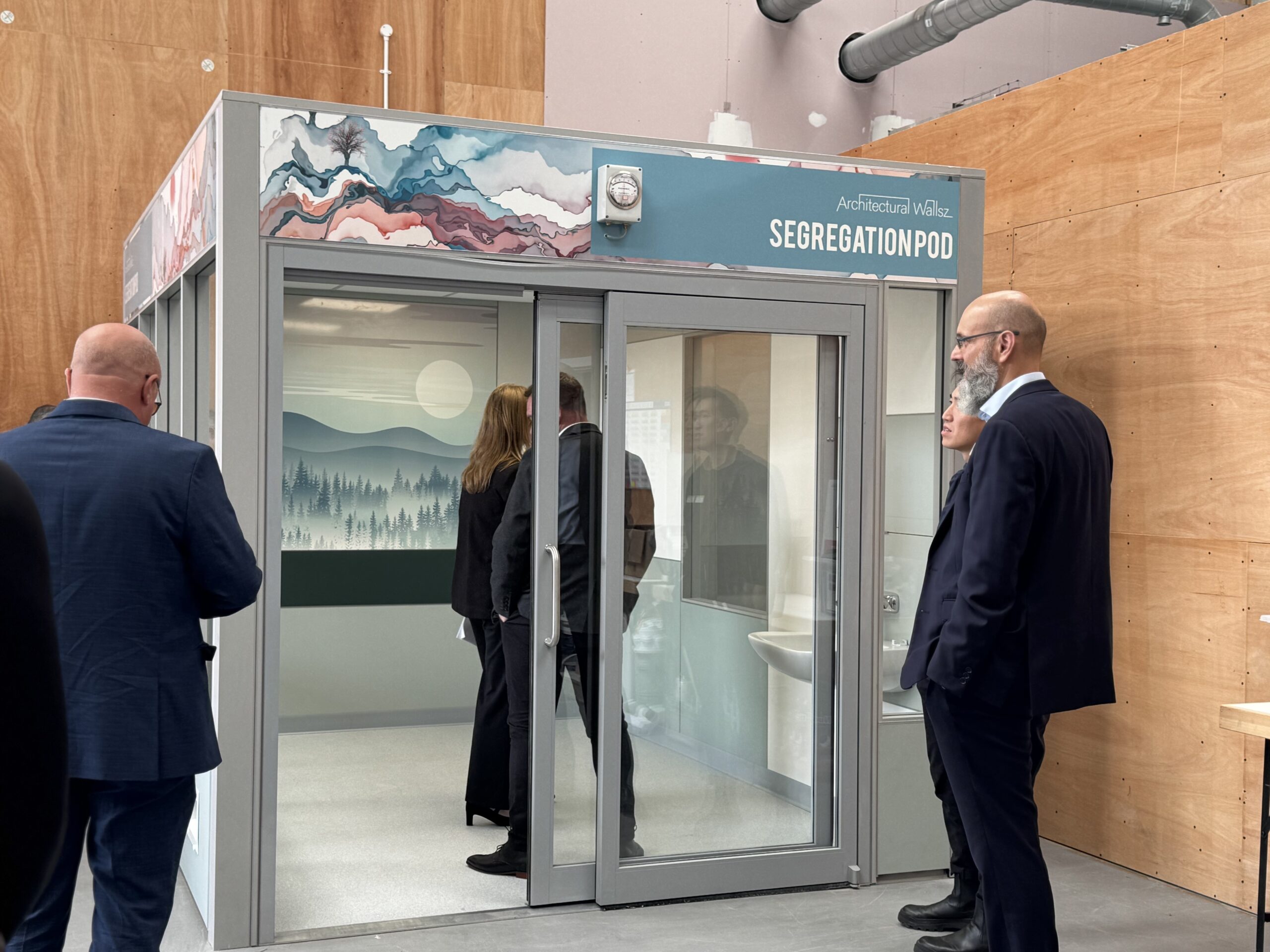
Isolation rooms are the optimal solution for providing all-round protection both for immunocompromised patients and from infectious patients. In scenarios where it is only required to perform one function or the other, a facility may benefit solely from a negative or positive pressure Segregation Pod. Distinctively, an isolation room combines two or three rooms with cascading pressure differentials and integrated lobby and en-suite facilities to provide protection for all.
Infections that spread through the air, such as tuberculosis, measles or influenza are protected isolation rooms with negative pressure ventilation systems. This air may be cleaned using HEPA-14 filtration to purify and remove 99.997% particulate matter.
These rooms are designed to contain airborne pathogens by maintaining lower air pressure inside the room compared to the corridor. This ensures that contaminated air does not escape into the surrounding areas.
Isolation rooms are equally important for protecting patients with weakened immune systems due to chemotherapy, organ transplants or chronic illnesses. These individuals are highly vulnerable to infections and require sterile environments to ensure no airborne contaminants enter their space.
Isolation Rooms must be installed with a Positive Pressure Ventilated Lobby (PPVL), supplying clean air through a HEPA-14 filter and removing it through a negative pressure patient room or en-suite. This keeps unfiltered air out and protects immunosuppressed patients from harmful airborne contaminants.
When a facility needs space that can protect both immunosuppressed patients and protect others from infectious patients, an Isolation Room is the optimal solution. Designed in accordance with HBN 04-01 Supplement 1, these facilities offer full separation with an en-suite, minimising movement of the isolated patient.
A PPVL is also included, serving as a buffer zone between the isolation room and the rest of the facility, for clinicians to use for donning and doffing, hand hygiene and minimising direct exposure to the patient. PPVLs also help to stabilise air pressure differentials and reduce the risk of airborne transmissions during door openings.
Whether the air is extracted in the patient room or the en-suite, the use of Isolation Rooms ensures that no unfiltered air enters the room and no unfiltered air exits the room, protecting individuals both inside and outside the unit.
Isolation Rooms should be part of a healthcare facility’s long-term planning. Our modular Isolation Rooms offer a scalable, efficient solution for hospitals that need to adapt to changing healthcare needs.
With the ability to rapidly deploy these systems, healthcare providers can ensure they’re prepared for both routine infection control and emergency outbreaks.
Modular Isolation Rooms are designed to be integrated into existing hospital infrastructure or deployed quickly in temporary settings. The flexibility of modular design means hospitals can easily expand their isolation capacity as required without the need for disruptive renovations.
Isolation Rooms are essential in addressing today’s challenges while remaining a vital solution for the future. Investing in modular Isolation Rooms ensures healthcare providers are always prepared for routine infection control or public health emergencies like the Covid-19 outbreak.
At Architectural Wallsz, we are committed to providing innovative solutions that help hospitals stay ahead of infection control challenges. Our modular Isolation Rooms are the ideal solution for hospitals looking to futureproof their facilities while maintaining high standards of patient care. If you would like to find out more, get in touch today.
Isolation rooms play a key role in the safety and efficiency of healthcare facilities, but when are isolation rooms needed in hospitals?
Hospitals rely on isolation rooms in a variety of situations, including to contain airborne pathogens and to protect staff, patients and immunocompromised individuals. We will explore the different scenarios where isolation rooms are needed, how they help manage infection risks and why modular isolation rooms are the future of hospital design.
In the healthcare industry, infection control is always a high priority and isolation rooms, designed in coordination with Health Building Note (HBN) and Health Technical Memoranda (HTM) guidance, are one of the most effective tools to achieve this. Hospitals must comply with infection control standards set by governing bodies such as the NHS and Public Health England. These regulations often mandate the presence of isolation rooms for patients with contagious diseases, as well as for immunocompromised individuals who are more susceptible to infections.
Isolation rooms are the optimal solution for providing all-round protection both for immunocompromised patients and from infectious patients. In scenarios where it is only required to perform one function or the other, a facility may benefit solely from a negative or positive pressure Segregation Pod. Distinctively, an isolation room combines two or three rooms with cascading pressure differentials and integrated lobby and en-suite facilities to provide protection for all.
Infections that spread through the air, such as tuberculosis, measles or influenza are protected isolation rooms with negative pressure ventilation systems. This air may be cleaned using HEPA-14 filtration to purify and remove 99.997% particulate matter.
These rooms are designed to contain airborne pathogens by maintaining lower air pressure inside the room compared to the corridor. This ensures that contaminated air does not escape into the surrounding areas.
Isolation rooms are equally important for protecting patients with weakened immune systems due to chemotherapy, organ transplants or chronic illnesses. These individuals are highly vulnerable to infections and require sterile environments to ensure no airborne contaminants enter their space.
Isolation Rooms must be installed with a Positive Pressure Ventilated Lobby (PPVL), supplying clean air through a HEPA-14 filter and removing it through a negative pressure patient room or en-suite. This keeps unfiltered air out and protects immunosuppressed patients from harmful airborne contaminants.
When a facility needs space that can protect both immunosuppressed patients and protect others from infectious patients, an Isolation Room is the optimal solution. Designed in accordance with HBN 04-01 Supplement 1, these facilities offer full separation with an en-suite, minimising movement of the isolated patient.
A PPVL is also included, serving as a buffer zone between the isolation room and the rest of the facility, for clinicians to use for donning and doffing, hand hygiene and minimising direct exposure to the patient. PPVLs also help to stabilise air pressure differentials and reduce the risk of airborne transmissions during door openings.
Whether the air is extracted in the patient room or the en-suite, the use of Isolation Rooms ensures that no unfiltered air enters the room and no unfiltered air exits the room, protecting individuals both inside and outside the unit.
Isolation Rooms should be part of a healthcare facility’s long-term planning. Our modular Isolation Rooms offer a scalable, efficient solution for hospitals that need to adapt to changing healthcare needs.
With the ability to rapidly deploy these systems, healthcare providers can ensure they’re prepared for both routine infection control and emergency outbreaks.
Modular Isolation Rooms are designed to be integrated into existing hospital infrastructure or deployed quickly in temporary settings. The flexibility of modular design means hospitals can easily expand their isolation capacity as required without the need for disruptive renovations.
Isolation Rooms are essential in addressing today’s challenges while remaining a vital solution for the future. Investing in modular Isolation Rooms ensures healthcare providers are always prepared for routine infection control or public health emergencies like the Covid-19 outbreak.
At Architectural Wallsz, we are committed to providing innovative solutions that help hospitals stay ahead of infection control challenges. Our modular Isolation Rooms are the ideal solution for hospitals looking to futureproof their facilities while maintaining high standards of patient care. If you would like to find out more, get in touch today.






































We often send out our newsletter with news and great offers. We will never disclose your data to third parties and you can unsubscribe from the newsletter at any time.
Unfortunately, we’re unable to offer free samples. As a retailer, we buy all magazines from their publishers at the regular trade price. However, you could contact the magazine’s publisher directly to ask if they can send you a free copy.
You can create a new account at the end of the order process or on the following page. You can view all of your orders and subscriptions in your customer account. You can also change your addresses and your password.
No, you don’t have to create an account. But there are a few advantages if you create an account.
You never have to enter your billing and shipping address again
Find all of your orders, subscriptions and addresses in your account
Download invoices of your orders
No, we don’t have a physical store location at the moment. We accept only orders through our online shop and we’re shipping all orders with the Swiss Post Service. Please visit our shipping section for more details.
From time to time you will find us at design fairs and popup markets in Switzerland. Subscribe to our newsletter and you’ll receive the latest news.